Portuguese
  Spanish


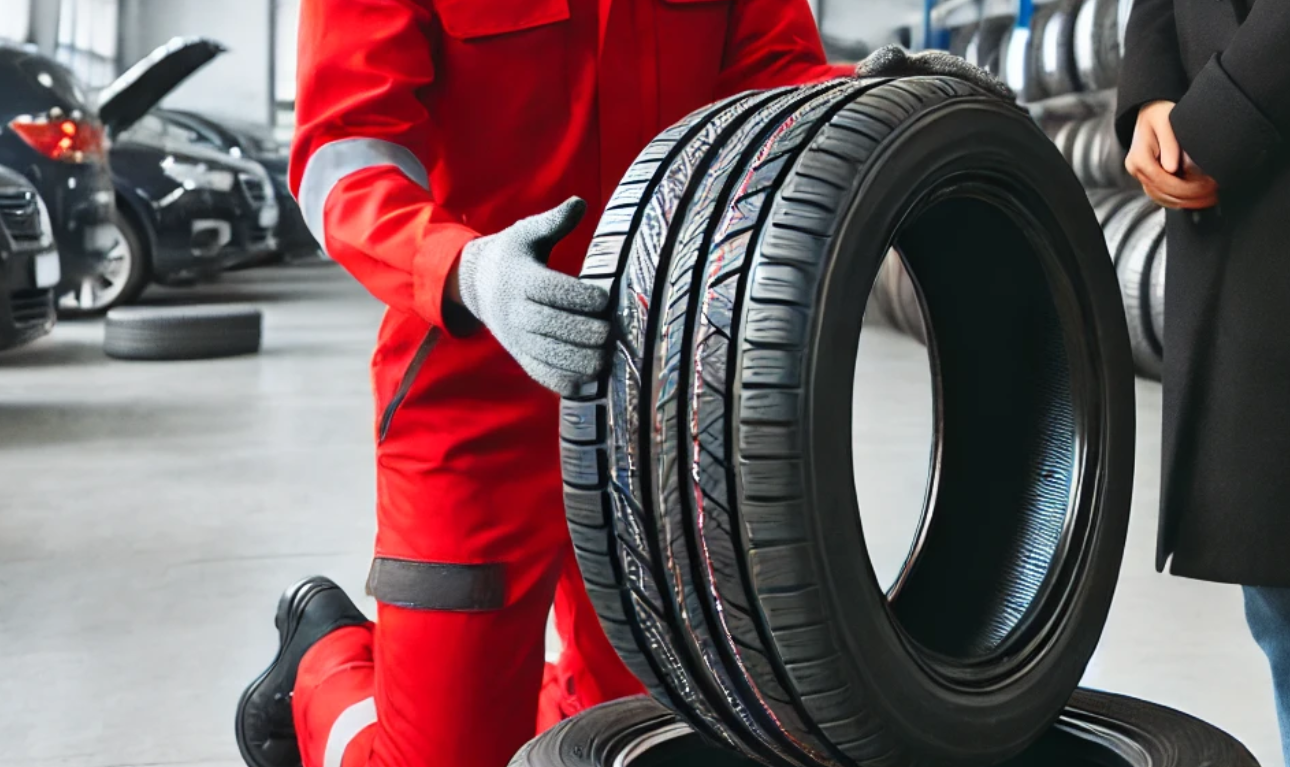

When Changing Tires, Many Drivers Rely Only on Price, but This Can Be a Risky Choice. Cheap Tires May Have Lower Durability and Compromise the Safety of the Vehicle. Understanding the Technical Differences Between the Options Available in the Market Is Essential to Make a Conscious and Safe Decision.
If you have ever needed to replace your vehicle’s tires, you know that the cost can be shocking. The average price of a new tire ranges from R$ 300 to R$ 500, or even more, depending on the model and brand. Is it really worth it to buy cheap tires?
And since there are four tires, the total cost quickly adds up. Although this replacement is not frequent — typically every three to five years — the financial impact is real.
Therefore, many drivers consider saving money by choosing cheaper tires. But does that really pay off?
-
Renault Kwid Outsider 2023: Affordable Used Hatchback with 1.0L Engine, 15.7 km/l Efficiency, and Ample Cargo Space for Around $11,000

-
Chevrolet SUV Offers 153 hp Engine, 620 km Range, and ADAS Features at a Lower Price Than a New Kwid

-
London buses run on biofuel made from coffee grounds, turning café waste into sustainable public transport fuel without engine modifications.

-
Major Automaker Considers Closing 4 Factories, Putting 45,000 Jobs at Risk Amid Chinese Competition in Brazil




This article will explain, in a straightforward manner, the main differences between cheap and expensive tires. It will also show you how to choose the best option for your car and driving habits.
After all, the cheapest option is not always the most economical. And sometimes, the most expensive option is also not the best deal.
Understand Why Tires Are Expensive
Changing the oil, checking the brakes, inspecting the belt. These tasks are part of the routine for car owners. And generally, they are affordable services. But tires fall into a different category. They are one of the most expensive items in maintenance.
The good news is that you don’t need to replace them frequently. Tires last, on average, between 3 and 5 years. This depends on the type of use, the climate in your area, and the quality of the product.
Even so, when it’s time to change them, the expense is significant. And then comes the question: is it worth it to save money and buy cheap tires?
Cheap Tires vs. Expensive Tires: What Changes?
At first glance, all tires seem the same. But they are not. The differences begin in their construction. Cheaper tires often use inferior quality materials. This directly impacts their durability and safety.
These tires may also be made with older technology.
In other words, even when new, they are already outdated. This means less grip on the road, faster wear, and a higher risk in situations such as rain or sudden braking.
On the other hand, more expensive tires may be designed for specific uses. Some are made for racing, while others are for off-road trails.
In these cases, they don’t make sense for someone who only drives in the city. Therefore, paying more does not always guarantee a better choice for your situation.
The ideal, according to many experts, is to seek a middle ground. Well-known brands like Michelin, Goodyear, and Continental have a good reputation.
How to Know Which Tire Is Ideal for Your Car
Choosing tires may seem complicated. But it doesn’t have to be. The first step is to check your car’s manual.
There you will find information about size, type, and recommended pressure for the tires. Another tip is to check the plate located on the driver’s side door frame. It also provides this information.
With the correct size in hand, you need to think about the type of use. Most people do well with all-season tires. They are versatile and perform well in various conditions.
But if you live in an area with harsh winters, you may need snow tires. And if you often drive off-road, you might need off-road tires.
In these cases, it’s worth talking to specialized sellers. But be careful: not every store is trustworthy. Therefore, it’s important to research beforehand and choose a reliable place.
When Do Cheap Tires Make Sense?
Even with the risks, there are situations where cheap tires might make sense. One of them is when you are going to sell the car.
In these cases, putting on new tires, even if they are simpler, can improve the vehicle’s appearance. This isn’t exactly ethical, but it is a common practice.
Another situation is when you drive little and in safe areas. If you only use the car to go to the supermarket and live in a region with stable weather and well-maintained roads, cheaper tires may be sufficient. But you need to be cautious: even in these cases, quality cannot be ignored.
In extreme cases, when the tire is very worn and the budget is tight, a cheap tire may be better than continuing to drive at risk. But this should be a temporary solution, never permanent.
The Risks of Saving Too Much
The major problem with cheap tires is safety. They wear out more quickly, grip less on the road, and may fail at critical moments. This increases the risk of accidents, especially on wet roads or at high speeds.
Additionally, the cheap option can end up being expensive. A simpler tire may last half the time of a quality one. In other words, you will need to replace it twice.
In the end, the total expense may be greater than if you had bought a better model from the start.
Another point is comfort. Low-quality tires can be noisier and less stable. This affects drivability and makes the journey less pleasant.
The Importance of Researching and Comparing
Before purchasing, it’s worth comparing brands, reading reviews, and checking the reputation of the companies. Consumer websites and specialized forums can be very helpful.
Do not rely solely on price. Check the estimated mileage, material composition, and recommended application.
Also, be attentive to promotions. Sometimes, it’s possible to find good quality tires with interesting discounts.
But be wary of prices that are significantly below the average. Counterfeit or refurbished products may look new but do not offer the same safety.
And remember: saving comes from balance. The cheapest option is not always the worst, and the most expensive is not always the best. The important thing is to find a reliable product that fits your budget and meets your needs.
Safety Comes First
Changing your car’s tires is an expense that no one enjoys. But it is an essential part of maintenance and, above all, safety.
Choosing cheaper tires may seem like a good idea in the short term. In some cases, it might even work. But in most situations, the risk is not worth it.
If in doubt, choose a mid-range tire from a recognized brand. Read reviews, consult the car manual, and be wary of miraculous prices.
And if the budget is tight, prefer a new cheap tire over continuing to drive on a bald tire.
In the end, what is at stake is not just your wallet — it’s also your life and the lives of those who ride with you.