Portuguese
  Spanish


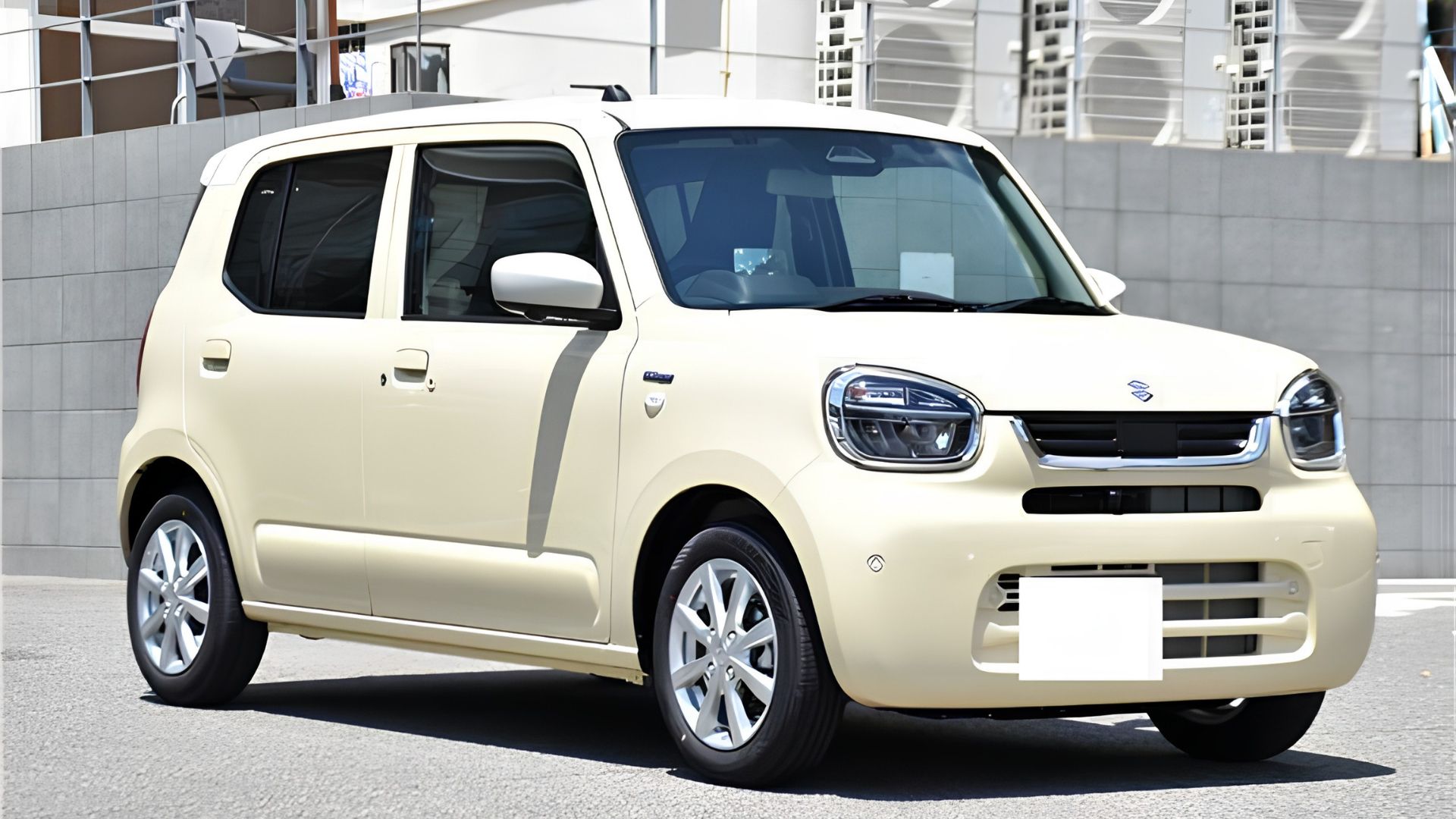


Suzuki Alto Hybrid achieves up to 28.2 km/l in Japan, costs about R$ 36,000 in direct conversion, and showcases a type of urban car that never arrived in Brazil.
The Brazilian market has become accustomed to seeing compact cars increasingly expensive, while entry-level vehicles often exceed the R$ 80,000 range. In Japan, however, there is an entire category of automobiles developed to be small, economical, and affordable. One of the most well-known examples is the Suzuki Alto Hybrid, a model that achieves up to 28.2 km/l in the Japanese WLTC cycle, uses mild hybrid technology, and costs from ¥1,142,900, approximately R$ 36,200 in direct conversion.
Even being one of the most traditional urban cars in Japan, the Alto was never officially sold in Brazil. The model belongs to the category of so-called “kei cars”, vehicles developed to occupy little space in Japanese cities, consume less fuel, and have reduced acquisition and maintenance costs. Currently, it is in its ninth generation and received important updates in 2025.
The Suzuki Alto Hybrid was created to solve urban problems that Brazil also faces
The Alto was born in 1979 and became one of the most popular cars in Suzuki’s history. Over the decades, the model evolved without abandoning its original proposal: to be an extremely compact, cheap, and efficient car for urban commuting.
-
Toyota Shifts from Hybrid Cars to Electric Air Taxis with Joby’s 6-Rotor Aircraft, Capable of 322 km/h, Aiming for Mass Production to Electrify Urban Skies

-
Ferrari Unveils Limited Edition 12Cilindri Manuale: 6.5-Liter V12, 830 HP, 0-100 km/h in 2.9 Seconds, Top Speed Over 340 km/h, Only 1,499 Units Available

-
Discover the 2021 Fiat Cronos 1.3: Affordable Maintenance, Reliable Mechanics, and Fuel Efficiency of Up to 15.6 km/l
-
Cummins Unveils Hydrogen-Powered X15H Engine with Over 800 km Range and 15-Minute Refueling, Challenging Electric Truck Dominance


The current generation was introduced in Japan in 2021 and uses the lightweight HEARTECT platform. The hybrid model received the R06D engine associated with a mild hybrid system, a solution that helps reduce fuel consumption without the complexity and cost of a conventional hybrid.
In large Japanese urban centers, where narrow streets and small parking spaces are part of everyday life, vehicles like the Alto represent a practical alternative for millions of people.
The consumption of 28.2 km/l places the Suzuki Alto among the most fuel-efficient combustion cars on the planet
The main feature of the Alto Hybrid is its energy efficiency. After the update presented in June 2025, Suzuki announced a consumption of up to 28.2 km/l in the Japanese WLTC cycle, a figure that places it among the most economical mild hybrid vehicles currently available in the Japanese market.
For comparison, many compact cars currently sold in Brazil register averages close to 13 km/l to 16 km/l with gasoline in highway use. Although the measurement cycles are different and do not allow for absolute direct comparison, the Alto’s number shows the level of efficiency that Japanese kei cars can achieve.
Another important factor is the reduced weight. Depending on the version, the model weighs between approximately 700 and 710 kg, a value much lower than that of most modern compact cars sold in other markets.
The engine of only 658 cm³ shows a completely different philosophy from that adopted in Brazil
Under the hood, the Alto Hybrid uses a small three-cylinder engine of 658 cm³, within the legal limits of the Japanese kei car category.
The hybrid version combines this engine with an auxiliary electric system, producing power of approximately 46 hp in the main engine and additional electric assistance to improve efficiency and response at low speeds.
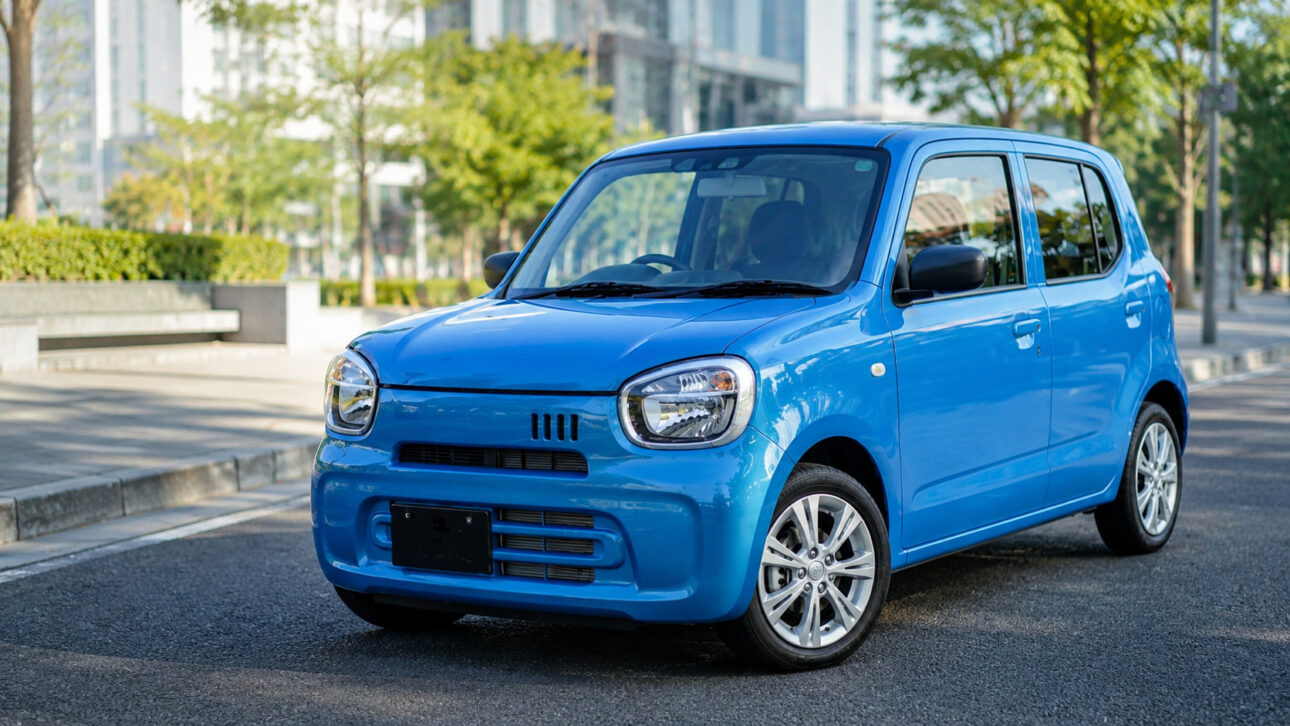
For many Brazilian consumers, these numbers may seem modest. However, the vehicle’s goal was never sports performance.
The focus is on reducing consumption, facilitating urban use, and lowering operational costs. In congested cities, this strategy makes a lot of sense and explains the popularity of this type of vehicle in Japan.
The price equivalent to just over R$ 36 thousand draws attention when compared to popular Brazilian cars
One of the most surprising aspects of the Alto is the price.
After the 2025 update, the model began to be sold in Japan starting at ¥1,142,900, equivalent to approximately US$ 7.7 thousand or about R$ 36.2 thousand in direct conversion.
Naturally, this does not mean that a Brazilian could buy the car for that amount.
If it were officially imported, taxes, international freight, homologation, commercial margin, and various other costs would be added, significantly raising the final price.
Even so, the comparison shows how extremely efficient urban vehicles continue to exist in some global markets for much lower values than those currently practiced in Brazil.
The compact dimensions allow parking in places where conventional cars would have difficulties
Another important feature of the Suzuki Alto is its size. The model is approximately 3.39 meters long, 1.47 meters wide, and about 1.47 meters high, measurements compatible with the rules of Japanese kei cars.
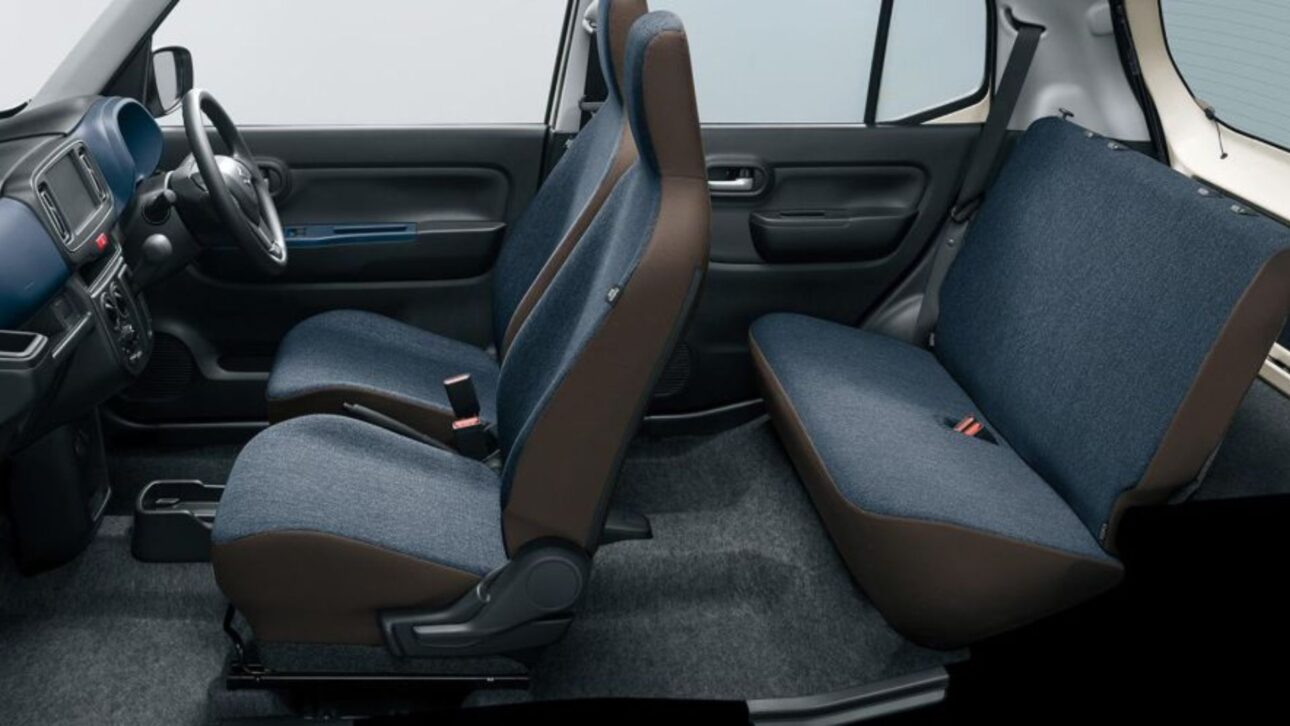
These dimensions make the vehicle extremely easy to maneuver in dense urban areas. Even being small externally, the design seeks to efficiently utilize the internal space, accommodating up to four occupants, a common configuration in this segment in Japan.
The combination of reduced size, low weight, and simple mechanics is one of the factors that contribute to the excellent consumption numbers.
The Suzuki Alto received safety equipment that does not always appear in cheap cars
Despite the focus on low cost, Suzuki has expanded the safety equipment of the model in the most recent versions.
According to the update announced in 2025, the Alto started offering systems such as Dual Sensor Brake Support II, lane departure prevention assistant, and traffic light alert system.
These features show that the pursuit of efficiency and accessibility does not necessarily require giving up modern driver assistance technologies.
It is a different approach from that observed in some emerging markets, where entry-level vehicles often receive equipment cuts to maintain competitive prices.
Technical specifications of the Suzuki Alto Hybrid
| Item | Specification |
|---|---|
| Engine | 3-cylinder naturally aspirated |
| Displacement | 658 cm³ |
| Hybrid system | Mild Hybrid |
| Engine power | 46 hp |
| Torque | 58 Nm |
| Transmission | CVT |
| Drive | Front (2WD) |
| Length | 3.39 m |
| Width | 1.47 m |
| Height | 1.47 m |
| Weight | Approximately 700 kg |
| Seating capacity | 4 |
| Maximum reported consumption | 28.2 km/l |
| Starting price in Japan | ¥1,142,900 |
| Converted price | About US$ 7,700 or R$ 36,200* |
*Approximate direct conversion without taxes, shipping, importation, homologation, or Brazilian commercial margin.
The Alto shows that there is still room for extremely simple, light, and efficient cars
While much of the global automotive industry focuses investments on increasingly larger and heavier SUVs, the Suzuki Alto takes an opposite direction.
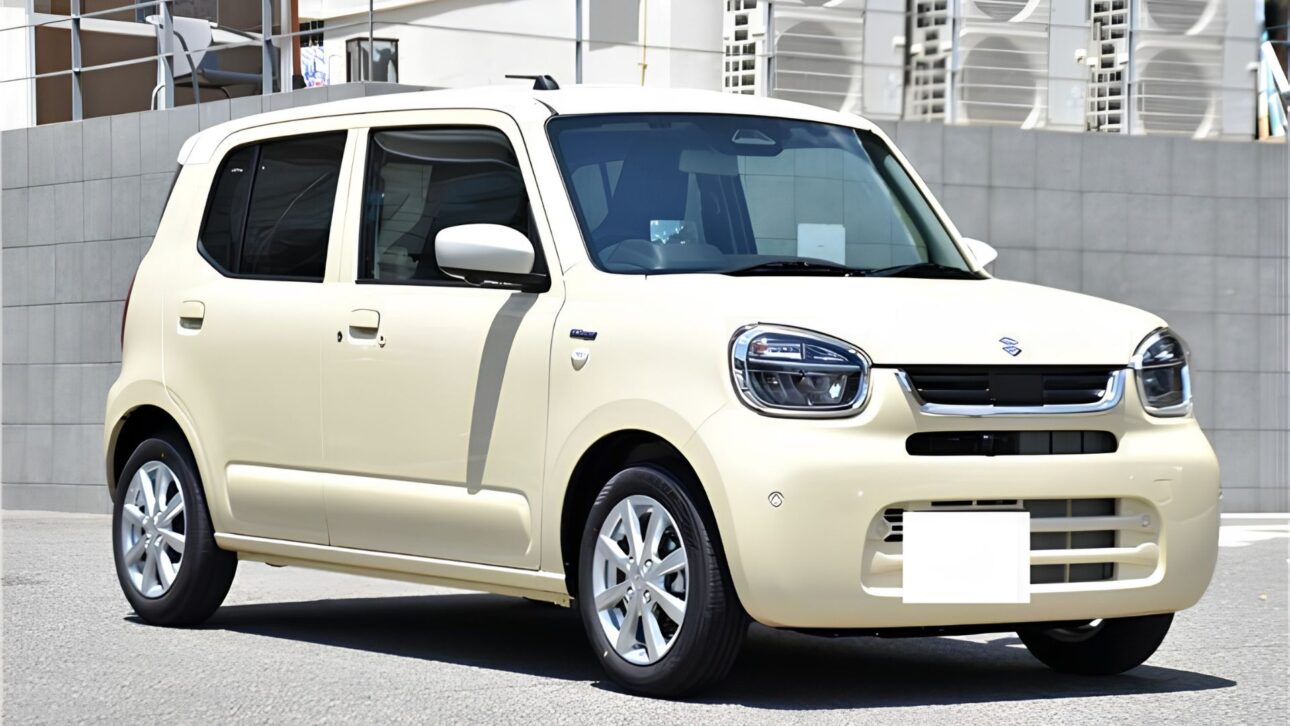
The model continues to bet on low weight, reduced dimensions, energy efficiency, and affordable price. This formula helps explain why kei cars remain relevant in Japan even in the face of the advancement of electrification and compact SUVs.
If a car with an engine of only 658 cm³, consumption of 28.2 km/l, and a price equivalent to about R$ 36,000 were sold today in Brazil, do you believe it would have room to compete with current compacts?