Portuguese
  Spanish


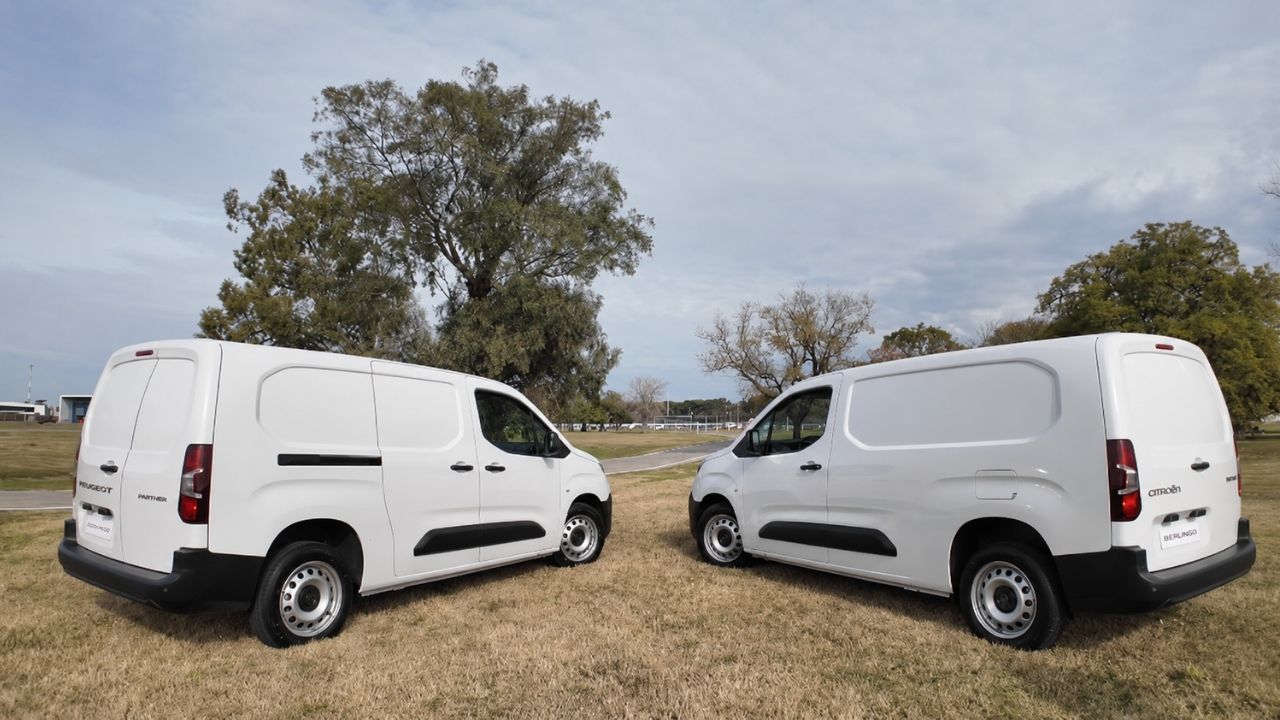
The Citroën Berlingo and Peugeot Partner vans arrive imported from Spain to the Argentine market, with a 1.6 HDI turbodiesel engine, manual transmission, load capacity of 865 kg, side door, rear camera, sensors, and cabin for three occupants, in an update aimed at urban work and deliveries for local Argentine merchants.
The Citroën Berlingo and Peugeot Partner vans were renewed by Stellantis in Argentina in June 2026, after years of waiting for a more profound update in the light utility segment. The models arrive imported from Spain, focusing on merchants, service providers, and companies that need to transport cargo every day.
As shown in a video published by the channel elcerokm, the novelty replaces a generation that remained for a long time in the Argentine market and was already seen as outdated in the face of current demands for comfort, safety, and technology. Now, Berlingo and Partner use a more modern European base, maintaining the proposal of a robust van for urban work.
Vans arrive from Spain to renew historic urban work duo
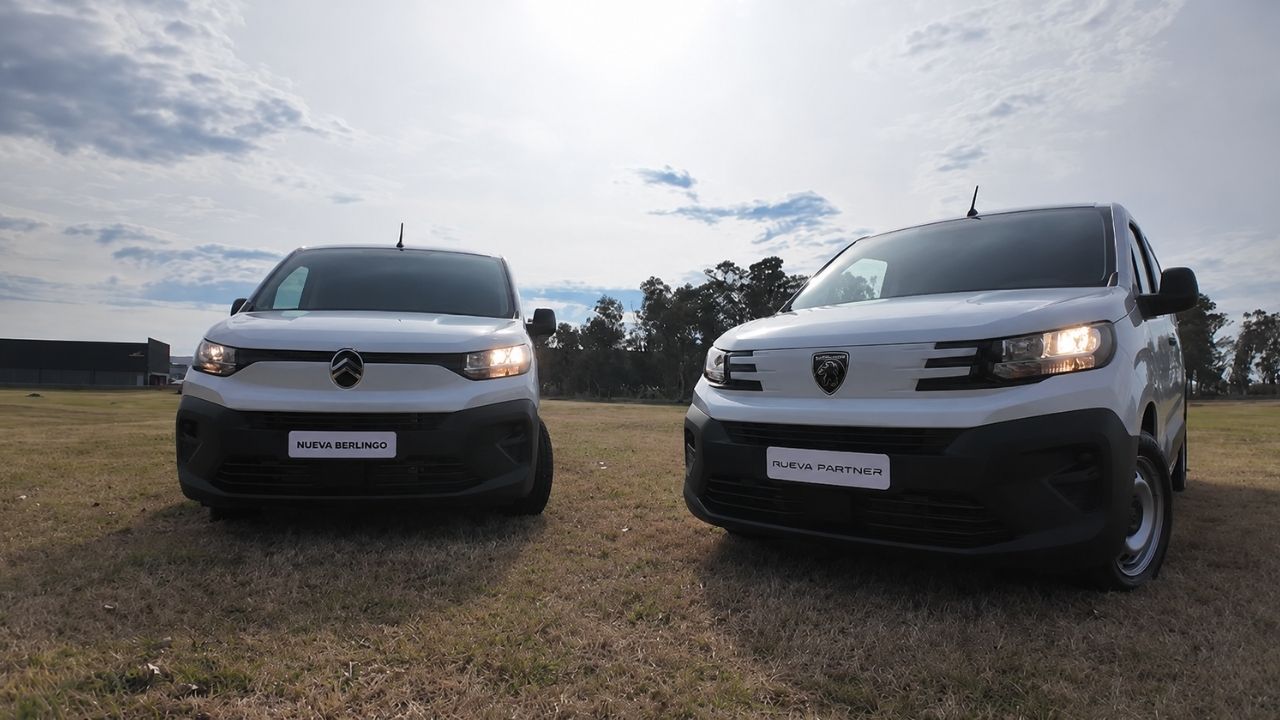
The Berlingo and Partner have always had a strong identification with small businesses, delivery drivers, workshops, technicians, stores, and light transport operations. Therefore, the arrival of the new generation of vans represents more than just a visual change: it is the renewal of tools used by those who depend on the vehicle to work.
-
Chevrolet’s Parent Company to Invest Billions in Brazil to Modernize Factories, Update Cars, and Accelerate Hybrid Launch by 2028

-
Practical Driving Tests in Brazil Surge by 23.5%, Exceeding 2.2 Million by 2026, as New Rules Make the Process Cheaper and Simpler
-
Brazil’s Lula Government Allocates $463 Million Quota for Electric Car Parts, Waives Import Tax Until December, Sparking Competition Among BYD, Automakers, and Unions as Consumers Question Impact on Prices and Local Industry

-
Thinking of Installing LED Headlights? Why Replacing Halogen Bulbs is Still Banned, the Glare Risks Authorities Worry About, and How a New Proposal Could Allow Certified, Safe Installations


The two models are technically very close. The main difference appears in style elements, front finish, and internal details related to the identity of Citroën and Peugeot. In practice, both fulfill the same mission: offering cargo space, known mechanics, and a functional cabin for daily use.
The update was anticipated because the light van segment usually receives less attention than SUVs and pickups, even though it is essential for commerce. While the market talks a lot about electrification, luxury, and connectivity, thousands of professionals still need simple, durable, and efficient vehicles.
The import from Spain also marks an important change for the Argentine market. The new versions arrive with European standards and take the place of local models that had a long history in the country, especially among users who valued known maintenance and controlled operational costs.
Capacity of 865 kg puts load at the center of the proposal
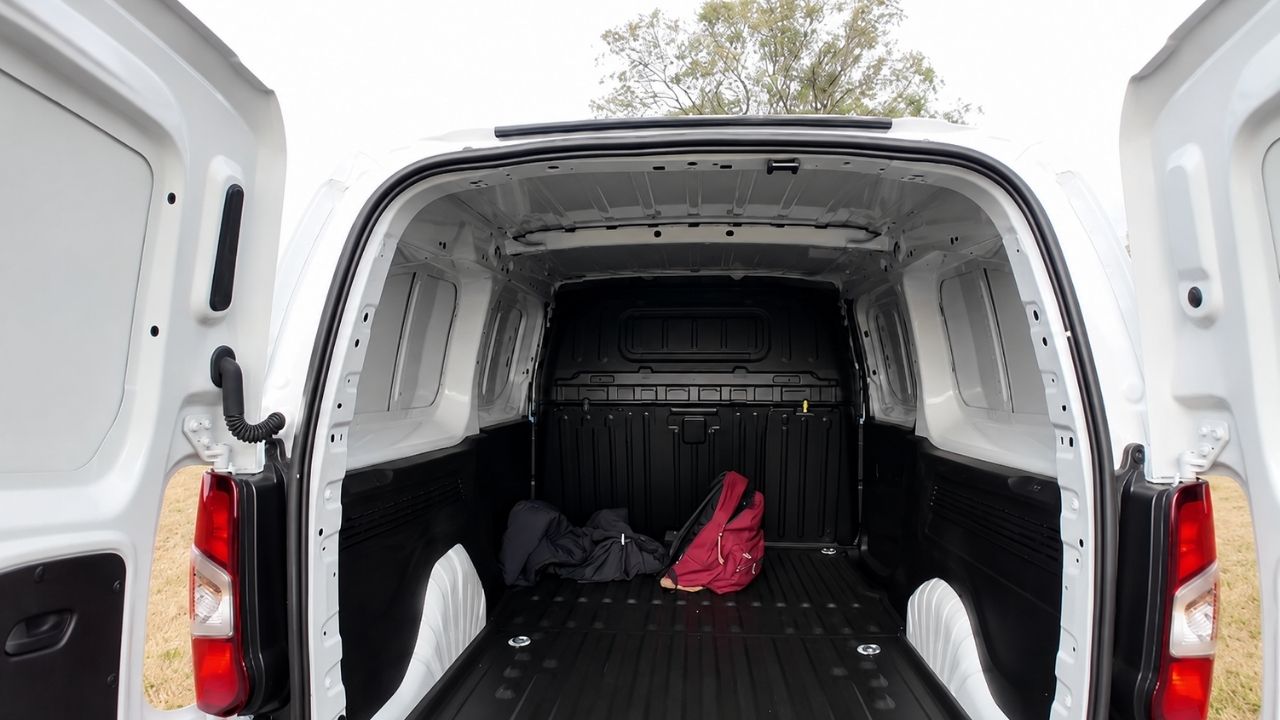
The most important point for those buying a van is the cargo area. The new Berlingo and Partner offer a capacity of up to 865 kg, a relevant number for a light utility vehicle aimed at urban deliveries, supplying small businesses, and transportation for self-employed professionals.
The rear compartment has a covered floor, protected sides, and separation between the cabin and cargo area. These details help preserve the vehicle’s structure, facilitate cleaning, and reduce damage caused by boxes, tools, equipment, or goods transported daily.
The rear space was designed for real use, not just to impress on the spec sheet. The opening through double rear doors and the side door allows for more practical access in narrow streets, warehouses, parking lots, and delivery points with limited maneuvering space.
The dimensions of the box also draw attention. The cargo area offers more than two meters of useful length and sufficient height to facilitate handling objects, even without allowing a person to stand completely upright. For merchants, this balance between volume and compact size can make a difference in daily routines.
1.6 HDI engine bets on economy and reliability
The new vans come equipped with a 1.6 HDI turbodiesel engine, paired with a five-speed manual transmission. The set delivers 92 horsepower and 230 Nm of torque, a configuration more focused on efficiency and durability than on sporty performance.
The choice of engine reinforces the professional profile of the models. In a work vehicle, consumption, durability, and mechanical predictability usually weigh more than acceleration or sophistication. The proposal is to offer sufficient power for urban loads, with a set already known by many diesel utility users.
For those who rely on the van to earn, reliable mechanics are as important as load capacity. A vehicle stopped for maintenance represents a loss of time, delays, and direct costs for small businesses.
The driving was also designed for an urban environment. The electric power steering facilitates maneuvers, while the elevated driving position improves environmental perception. These elements make the use less tiring on repeated routes throughout the day.
Cabin gains technology without abandoning work simplicity
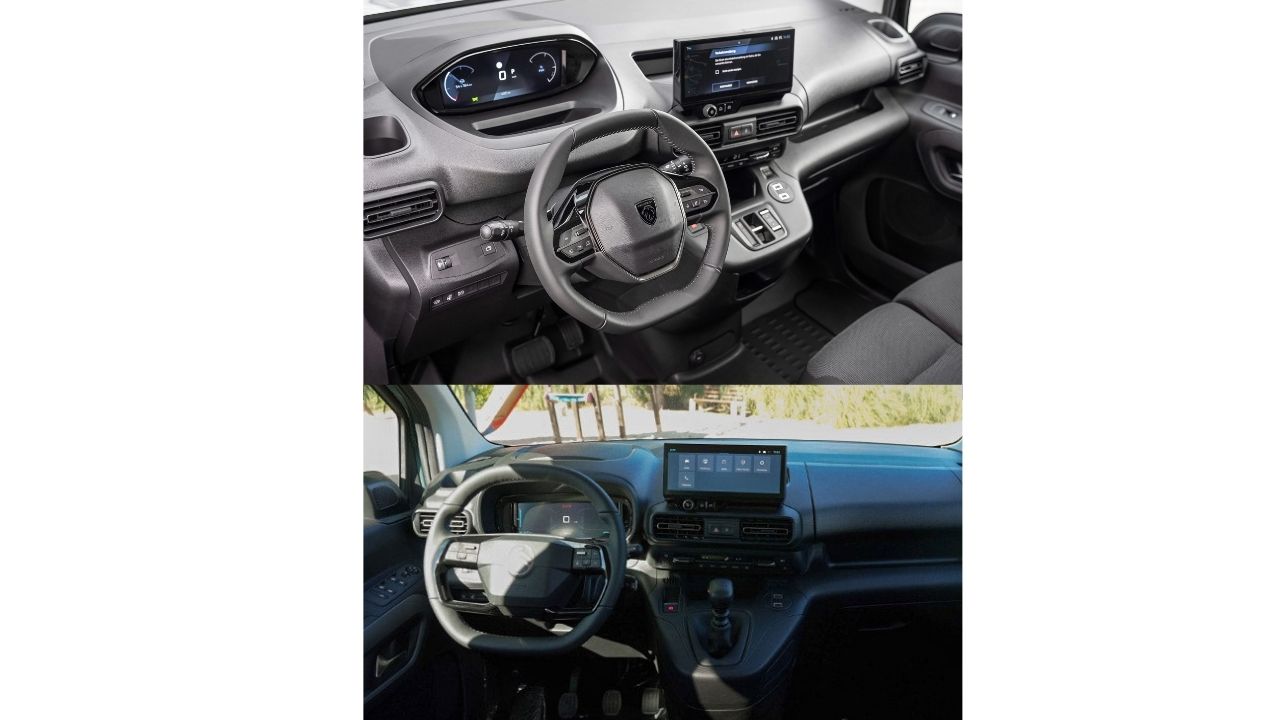
Inside, Berlingo and Partner preserve the utility logic, but with more current features than the old models. The cabin can accommodate up to three occupants in the front, a useful solution for small teams that need to move along with tools or goods.
The presence of a multimedia center compatible with Android Auto and Apple CarPlay enhances practicality for those who use navigation, calls, and route apps during work hours. There is also speed control, a limiter, storage compartments, and spaces designed for documents, bottles, and work items.
Technology appears as support for the routine, not as luxury. In an urban van, a rear camera, parking sensor, and connectivity can reduce errors, improve maneuvers, and facilitate deliveries in congested areas.
The absence of a rear window in van versions makes these features even more important. Without direct rear vision, the driver relies more on sensors, camera, and side mirrors to park and avoid collisions in tight operations.
Berlingo and Partner target merchants who waited years for renewal
The renewal of the vans caters to an audience that often stays out of the spotlight of the automotive industry’s most flashy campaigns. Merchants, distributors, technicians, service providers, and small businesses need vehicles that withstand intense use, carry well, and do not complicate the operation.
The previous generation of Berlingo and Partner had a reputation built precisely for simplicity and presence on the streets. However, over the years, the market began to demand more safety, comfort, connectivity, and efficiency, points that made the update increasingly necessary.
The arrival of the new versions tries to preserve the robustness that made the duo known, but with a more modern base. The challenge will be to convince traditional customers that the switch to imported models maintains the expected cost-benefit and reliability.
For many buyers, the decision will not be guided solely by design. What matters is the combination of price, maintenance, consumption, load capacity, availability of parts, and resistance to daily use on streets, avenues, warehouses, and delivery routes.
Competitive price tries to ease the generation swap


At the Argentine launch, the Berlingo and Partner were presented with a list price of around 38.86 million Argentine pesos, according to local coverage. The value was highlighted because it does not drastically depart from previous versions, even with the arrival of a more modern and imported generation.
This strategy can be decisive. Light commercial vehicles are purchased with a clear financial logic: the vehicle needs to generate returns, transport more, reduce lost time, and keep costs under control. If the price rises too much, the professional audience tends to seek used alternatives or competing models.
Stellantis tries to reposition the duo without completely breaking with the traditional customer. The update improves technology and capacity but needs to continue making sense for those who calculate every kilometer driven as part of the business.
Competition in this segment usually involves not only other vans but also small pickups, larger vans, and used vehicles of different sizes. Therefore, the proposal of Berlingo and Partner is to occupy an intermediate space: relevant load, urban size, and simpler operation than larger commercial vehicles.
New generation swaps delay for vans better prepared for routine
The arrival of the new vans Berlingo and Partner in Argentina ends a long wait for more modern light utility vehicles within Stellantis. With a 1.6 HDI engine, 865 kg load capacity, updated cabin, side door, rear camera, and sensors, the duo tries to meet a concrete market need: working better without losing robustness.
The move also shows that the commercial segment remains important even in an industry dominated by SUV and electrified launches. For thousands of professionals, the most valuable innovation is not a larger screen or sophisticated finish, but a van that carries more, saves fuel, and facilitates deliveries.
The success of the new generation will depend on the reaction of those who use the vehicle as a work tool. If price, maintenance, and availability match the technical proposal, Berlingo and Partner can regain strength among merchants who have been waiting for a renewal for years.
Do you think these vans imported from Spain can effectively replace the old Berlingo and Partner in daily work, or will the professional public still prefer used national models for ease of maintenance? Leave your opinion in the comments.