Portuguese
  Spanish


Beavers Build A Natural Dam And Prevent A US$ 1.2 Million Spending, Surprising Politicians And Experts With Their Efficiency In Preserving The River.
Politicians planned to invest US$ 1.2 million in the construction of a dam to save a river that was facing serious problems. However, before the project got off the ground, nature took the lead: a family of beavers instinctively built an efficient dam at no cost, restoring the balance of the watercourse.
For years, the Klabava River, south of Prague, faced serious environmental issues. Sediments and acidic water leaked from nearby ponds, compromising water quality. Authorities discussed the construction of a dam to contain the problem.
The project, estimated at US$ 1.2 million, was halted in 2018 due to bureaucratic hurdles and lack of resources. But nature, unexpectedly, resolved the situation. A family of beavers sprang into action and built dams that restored the ecological balance of the river—at no cost.
-
U.S. City Builds Tiny Home Village on Water Company Land to House 136 Homeless People: Inside the Social Housing Units

-
Woman Turns Shipping Container into Home, Embraces Rural Life to Cut Monthly Expenses to Just Over $330
-
France Revamps 530 Social Housing Units with Large Balconies and Glass Facades Without Demolishing Existing Buildings

-
Facing high rent, couple transforms parents’ garage into a fully functional apartment, creating a complete home at a fraction of the market cost.



“The beavers did exactly what we had planned in a tedious bureaucracy. And they did it for free“, said Bohumil Fišer, head of the Administration of Protected Areas of the Czech Hills.
Engineers Of Nature
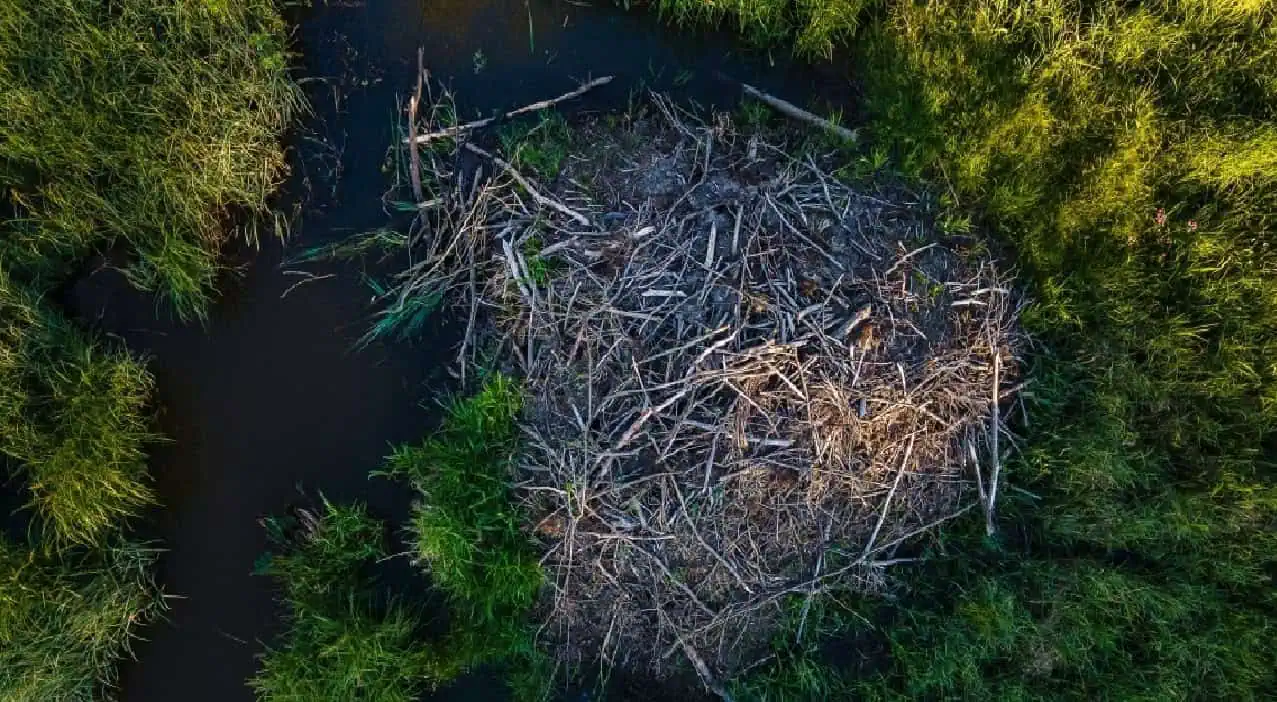
Beavers are known as natural engineers. Using branches, mud, and stones, they build dams that alter the flow of rivers, create ponds, and protect their burrows.
These environments favor the development of rich ecosystems, with diverse plants and animals. Moreover, the structures help to contain erosion, improve water quality, and reduce the impact of droughts and floods.
In this case, the beavers erected four dams in the diversion of a ravine, dug decades ago to drain an old military base. The drainage system was harming the local environment. With the dams, the area was transformed into a healthy swamp, benefiting the region’s fauna and flora.
Million-Dollar Savings With The Natural Dam
The work of the beavers resulted in significant savings. According to Fišer, the estimate is that they saved about 1.2 million dollars. Nature followed its course, and the beavers managed to create the necessary conditions for the biotope almost overnight.
The site, once degraded, now attracts visitors interested in observing the renewed landscape. There is an expectation that ecological tourism will develop in the region, stimulating the local economy.
This is not an isolated occurrence. In the United Kingdom, beavers were reintroduced after decades of local extinction.
Studies have shown that their dams helped contain floods and restore flooded areas. The success was such that the British government invests in renaturalization projects with the help of these rodents.
Benefit With Challenges
The population of beavers in the Czech Republic is estimated at 15,000 individuals. Despite the environmental benefits, some criticize their presence.
Farmers complain about fallen trees and flooded crops. In the case of the Klabava River, the risk of conflict is minimal, as the area is far from cultivated lands.
Fišer explained that there is no expectation of problems with the beavers in the next 10 years. The plan is to monitor the development of the swamp and, if necessary, intervene to maintain ecological balance.
This natural intervention reinforces the power of ecological processes. Without machines, without expenses, and without bureaucracy, the beavers provided an environmental service that humans attempted but could not complete.
The Klabava River, which once symbolized an impasse, now represents a victory of nature over the challenges imposed by mankind.
Why Do Beavers Build Dams?
Beavers build dams primarily to create a safe and favorable environment for their survival. This activity is instinctive and serves several important functions:
Protection Against Predators: The dams raise the water level, creating deep ponds where beavers build their burrows (called “lodge”). These structures have underwater entrances, making it difficult for predators such as wolves, bears, and lynxes to access.
Stable Environment: Beavers prefer calm and deep waters that do not freeze completely in winter. The dams help maintain a constant water level, even during dry periods.
Access To Resources: The formed ponds allow beavers to swim easily to nearby trees, which they cut to feed and construct their structures. They feed on tree bark, leaves, and aquatic plants.
Ecological Impact: In addition to benefiting the beavers themselves, the dams create habitats that favor a variety of other species, such as birds, fish, amphibians, and insects. These ponds also help store water, reduce erosion, and improve water quality.
With information from ZM.