






 Portuguese
  Spanish
  5 min of reading
  0 comments


Construction of Bridge with Million-Dollar Investments Promises Not Only to Transform the Infrastructure of the City, But Also to Generate New Challenges and Expectations for the Population and Local Commerce.
One of the largest infrastructure projects in Joinville is underway. The construction of the Joinville Bridge Joinville, which will connect the neighborhoods Adhemar Garcia and Boa Vista, is significantly progressing, with an expected completion date of the end of the first half of 2026.
The project, which has already surpassed R$ 311 million, has generated great expectations among residents and promises to considerably improve mobility in the city.
The new bridge will be one of the most imposing in the municipality, with 980 meters in length and a design that aims not only to solve traffic issues but also to preserve the environmental area of the site, using innovative technologies.
-
Brazilian Joins Homeownership Consortium, Faces Decade of Dual Payments Totaling $141,000, Surpassing Traditional Mortgage

-
Land Rover to Halt Production in July, Putting 371 Jobs at Risk, as Chinese Automaker Negotiates to Convert Factory to 100,000 Vehicles Annually by 2027

-
Mexican Pest Threatens U.S. Cattle Herds at Historic Lows, Potentially Boosting Brazilian Beef Exports as Burger Prices Soar

-
Brazilian Freight Bill Progresses in Congress with $5,000 Minimum Wage, 70% Advance Payment, and Fines Up to $1 Million, as Agriculture and Industry Warn of Rising Costs and Legal Uncertainty


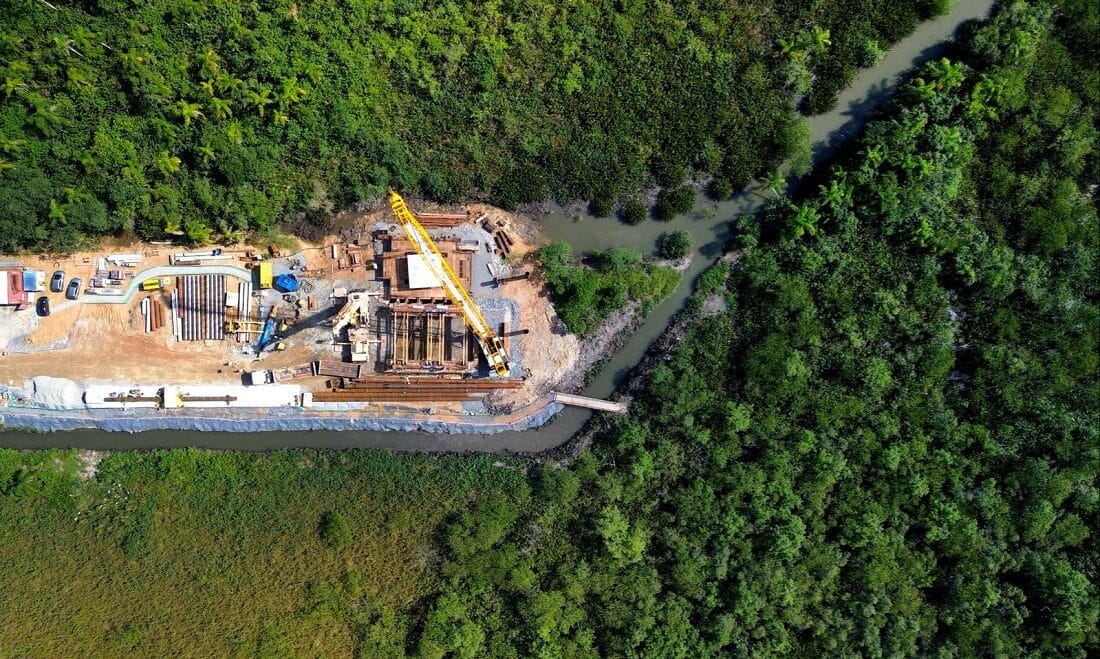
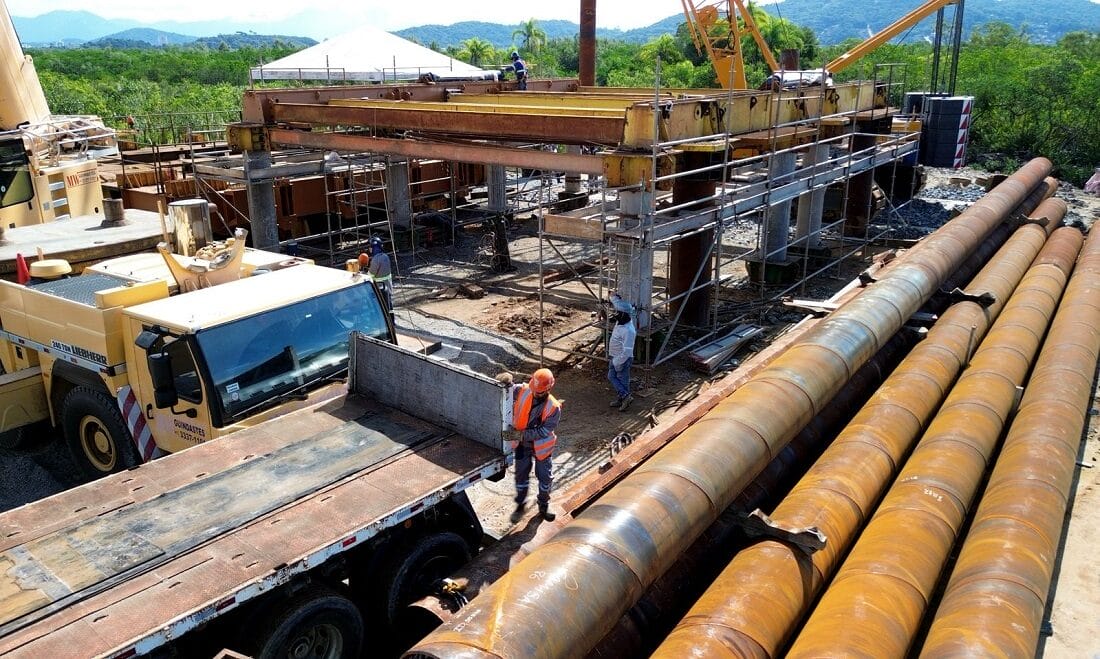
The Joinville city hall announced that the cantitravel works, an essential equipment for bridge construction, are underway in the Adhemar Garcia neighborhood.
This equipment will be responsible for the installation of the piles and beams of the bridge, contributing to the project’s progress.
The assembly of the cantitravel on the Adhemar Garcia side is already being carried out, and, simultaneously, the cantitravel on the Boa Vista side, which started operation in January, continues its journey toward the Cachoeira River.
Both pieces of equipment will operate simultaneously, accelerating construction.
The assembly and installation of the central span of the bridge, measuring 160 meters in length, will occur on the banks of the Cachoeira River.
This component will be one of the most critical points of the project, requiring precision and care to ensure the structural integrity of the bridge.
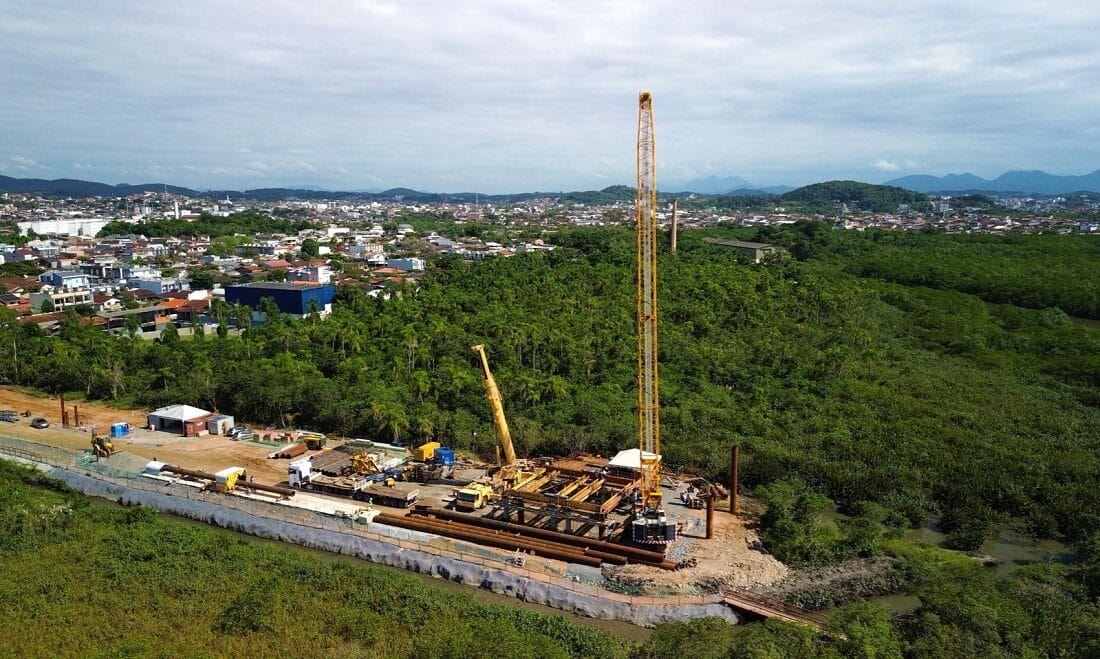
Technology for Environmental Preservation
One of the biggest innovations in the construction of the Joinville Bridge is the use of cantitravel technology, a rail advancement system that allows for the installation of piles with minimal interference in the environment.
This means that, unlike traditional methods, there will be no need for large heavy equipment on land.
This differential is crucial to preserve the mangrove ecosystem in the region, ensuring that the environmental impact is minimized.
According to the executive director of the Urban Infrastructure Secretariat of Joinville, Paulo Castro, the use of cantitravel was a strategic choice to enable the project with greater efficiency and less harm to the local nature.
He explains that “there is no need for equipment to travel along the bridge line on land, which facilitates project advancement and minimizes impact in the area.”
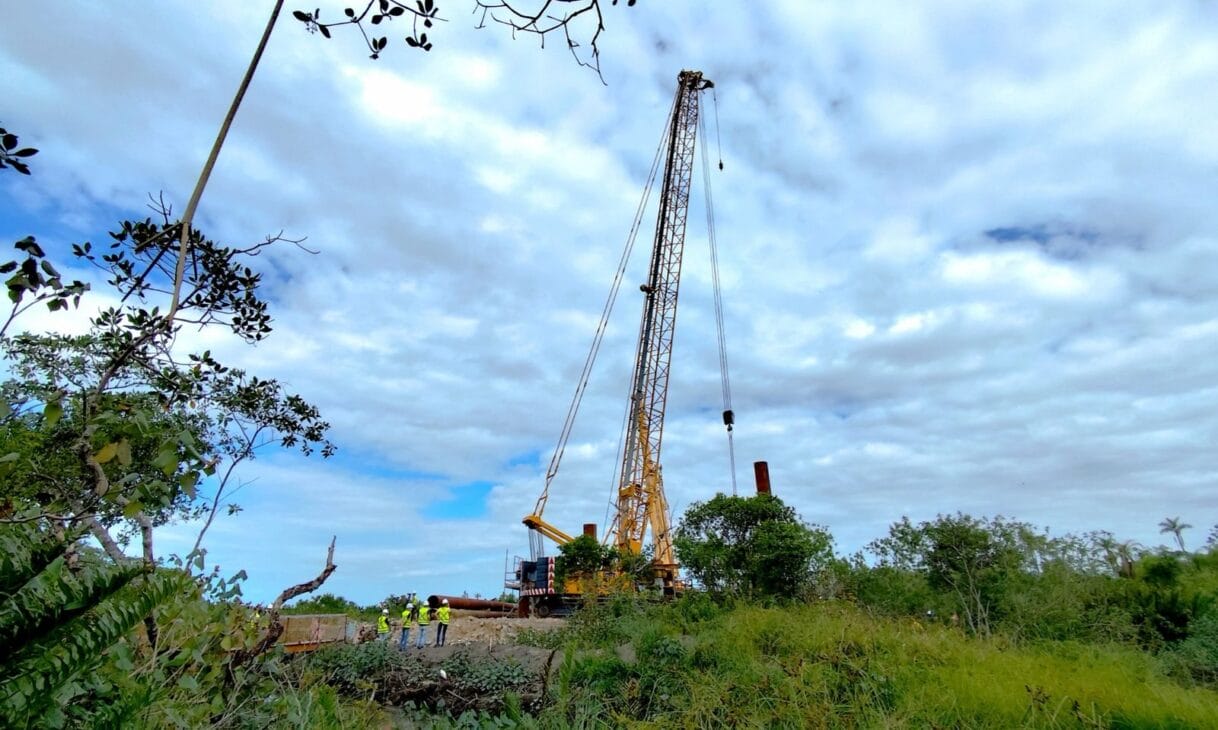
State-of-the-Art Equipment Ensures Quality of the Work
The cantitravel used in the construction of the Joinville Bridge comes with a 160-ton crane, along with a series of support equipment, such as generators, compressors, pile driving hammers, and even an office with a container and portable restrooms for workers.
Each phase of the project is being carefully planned to ensure that deadlines are met and that the quality of the structure is guaranteed.
The equipment has played a fundamental role in the project’s advancement, with each side of the project being equipped with cantitravels.
The first cantitravel, installed on the Boa Vista side, began operations in January of this year.
The cantitravel on the Adhemar Garcia side, which has a shorter route to the banks of the Cachoeira River, is in the final installation phase.
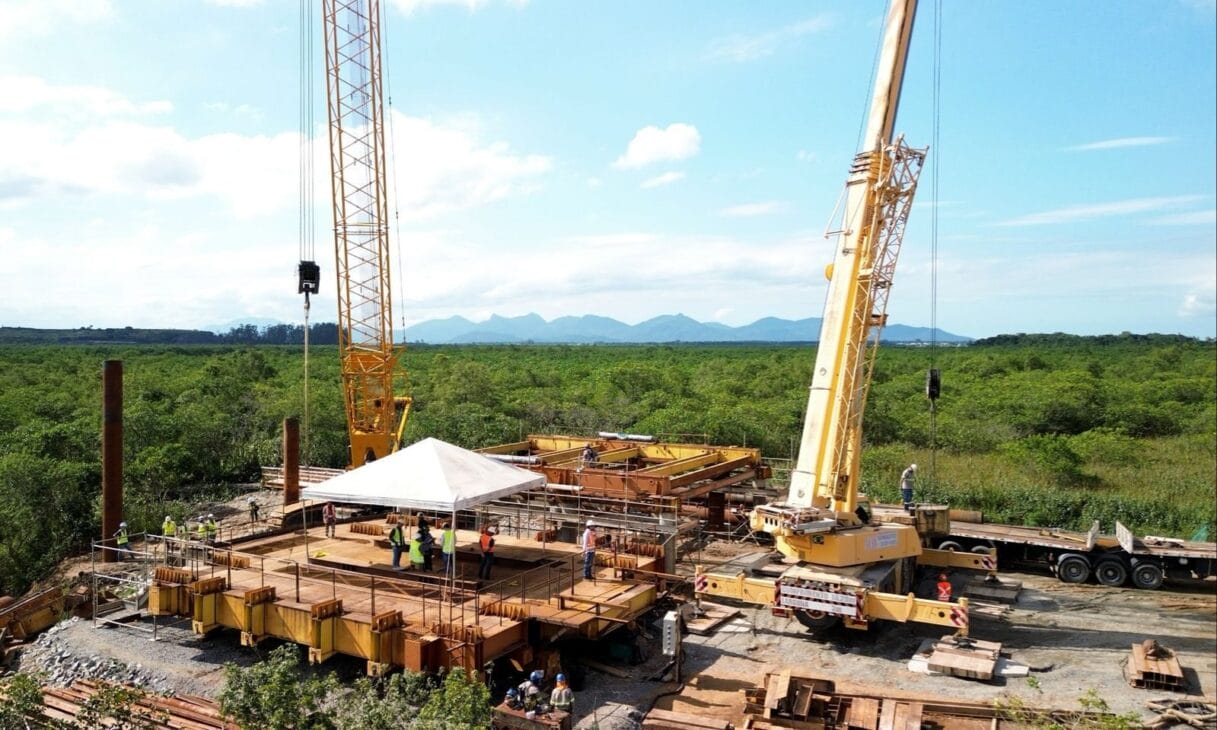
Expectations for the Completion of the Work
With an expected delivery in the first half of 2026, the Joinville Bridge is highly anticipated by residents and the city’s transportation sector.
It promises not only to relieve traffic between neighborhoods but also to be a landmark of modernization for the urban infrastructure of the region.
Paulo Castro, executive director of the Urban Infrastructure Secretariat, stated that the work is progressing according to the established schedule.
“Our forecast is that the arrival of the two cantitravels will be simultaneous on both sides of the river.
We are optimistic that we will meet the delivery goal by mid-2026,” said the director.
With the completion of the bridge, the expectation is that the circulation of vehicles and pedestrians between the Adhemar Garcia and Boa Vista neighborhoods will be more agile, benefiting especially the workers and residents of those areas.
Additionally, the project will have a positive impact on local commerce, promoting the development of both regions.
Work Boosts the Economy and Improves Quality of Life
The construction of the bridge is not only an improvement in the transportation system but also a factor of economic and social development for Joinville.
The movement of resources, job creation, and the generation of business opportunities during the project have already shown positive results.
The construction sector, in particular, has directly benefited from the execution of this work, employing a large number of workers and specialized professionals.
The expectation is that, with the completion of the bridge, the transportation of goods between different regions of the city will be facilitated, contributing to a more dynamic and interconnected economy.
Furthermore, the local population will be able to enjoy a more modern and safer infrastructure, which has a direct impact on quality of life.
The forecast is that the project will significantly contribute to the reduction of congestion and the improvement of public transportation in the region.
Challenges Faced by the Work
The construction of the Joinville Bridge is not a straightforward task. Throughout the process, the project has faced challenges such as the need for environmental preservation and the impact of adverse weather conditions, which can hinder progress.
However, the team involved in the project has shown great commitment and resilience, overcoming difficulties to ensure that deadlines are met.





Be the first to react!