






 Portuguese
  Spanish


Monumental Structure In The Heart Of Araguaia Links Two Major Agricultural Poles, Promises To Revolutionize Logistics In The Midwest And Boost The Flow Of Grains, Meats, And Brazilian Wealth.
The inauguration of the Luis Alves cable-stayed bridge over the Araguaia River marks a new chapter for the agribusiness and infrastructure in the Midwest.
Considered one of the largest recent roadworks in the country, the main structure was completed in July 2025, with only the finishing touches and road access remaining for its official opening to traffic.
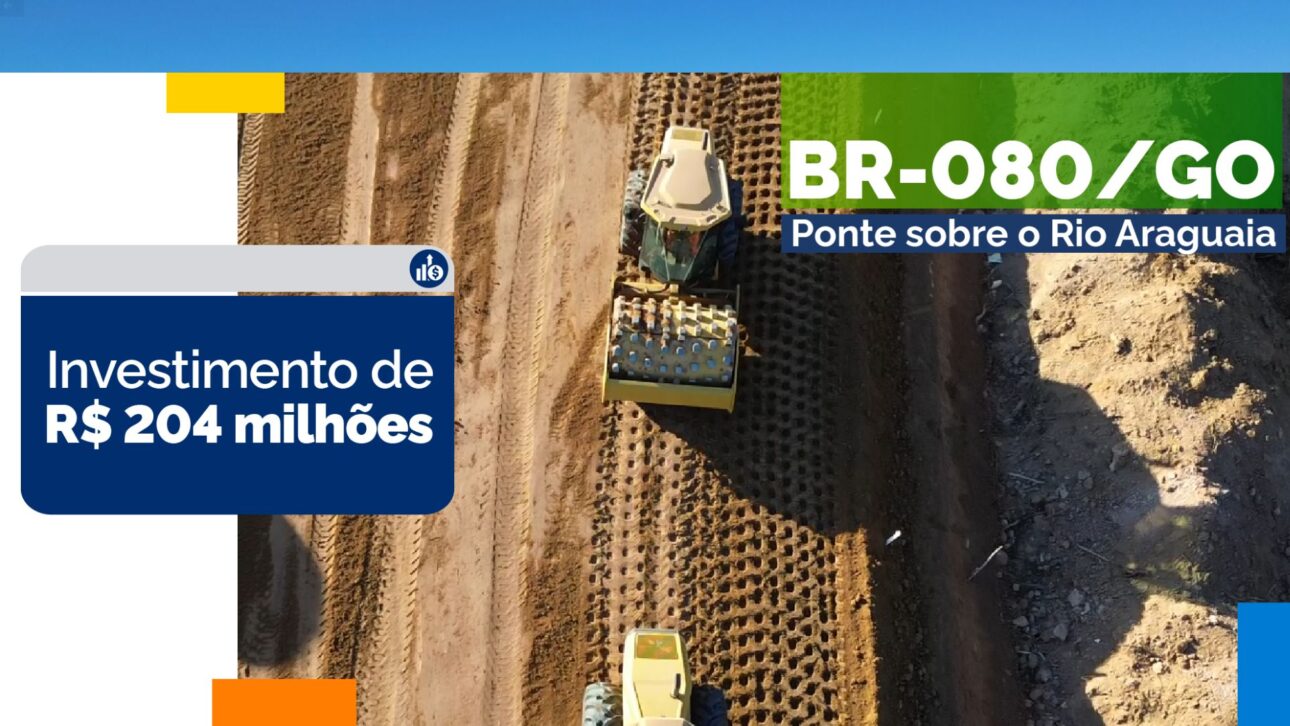
The total investment has already reached R$ 204 million, according to data from the National Department of Transport Infrastructure (DNIT) and the Growth Acceleration Program (PAC), and delivery is expected in the second half of 2025.
-
Architect Uses 7,000 Clay Tea Cups to Create Natural Air Conditioning, Cooling House by 5°C and Reducing Energy Bills

-
New Trend in Home Renovations: Painting Concrete Floors Enhances Durability, Cuts Maintenance Costs, and Modernizes Spaces Quickly

-
Denver’s “Housing First” Approach Reduces Homeless Population by 64% in Three Years: 2026 Census Finds Only 518 People on Streets, 7,700 Moved to Permanent Housing
-
Couple Transforms Abandoned Fire Station into Dream Home After a Decade of DIY Renovations



With an extension of 1,031 meters and a width of 14 meters, the cable-stayed bridge directly connects the states of Goiás and Mato Grosso, becoming a fundamental link in the national agricultural production flow.
The work eliminates the historical dependence on ferries, still necessary until the completion of access roads, and promises to bring more agility, safety, and predictability to the transport of grains, meats, and inputs.
This change is expected to impact the cost of food in Brazil, making the circulation of goods more efficient and reducing losses due to logistical delays, especially during high harvest periods.
Logistical Impact In Araguaia
For decades, the district of Luis Alves in the municipality of São Miguel do Araguaia was synonymous with slow crossings and lines of trucks waiting for the ferry to cross the Araguaia River.
During flood periods, access was even more uncertain, harming commerce, tourism, and the lives of thousands of residents in the region.
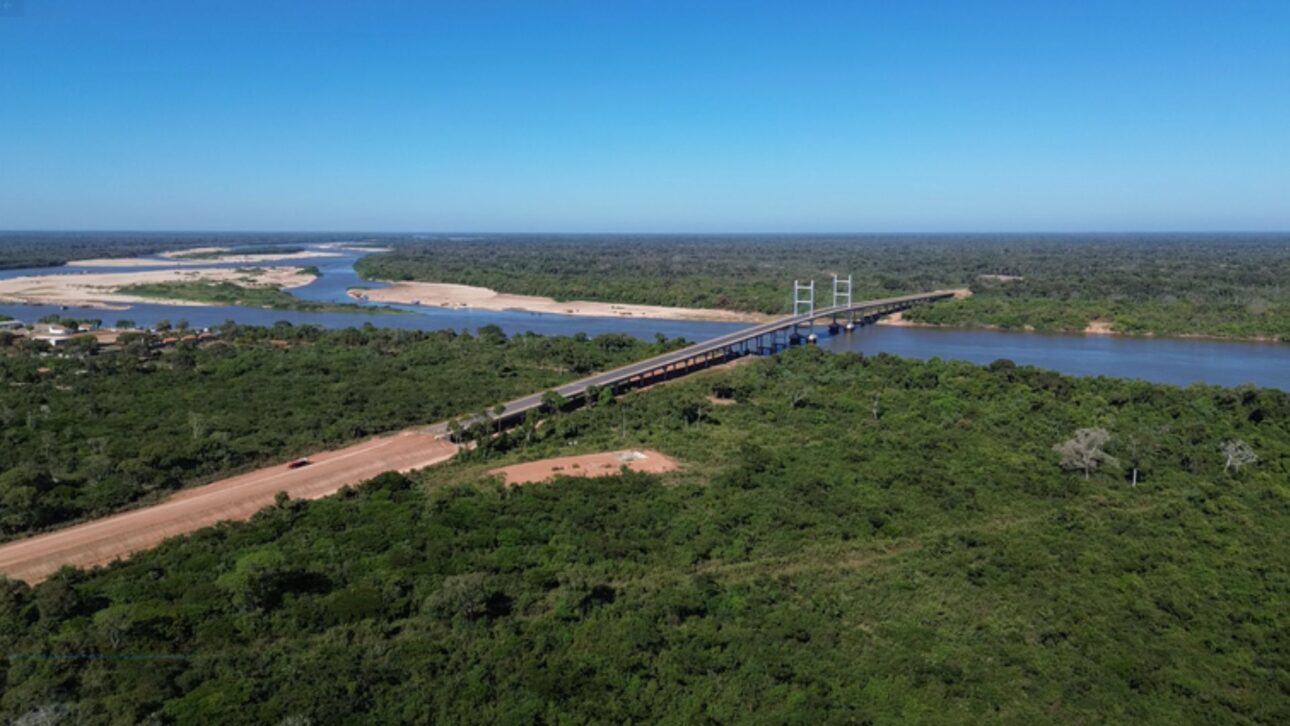
With the new cable-stayed bridge already built and delivery expected in the coming months, the reality of regional transportation is transforming.
The bridge is part of a strategic logistical corridor, integrating BR-158 and BR-080.
The Araguaia region is recognized for its importance in Brazil’s agricultural production, especially in soy, corn, and beef.
As of this July, the main structure was already completed, with only the finishing touches and the paving of access roads remaining, which will have Double Surface Treatment (DST), a technology suitable for highways with high traffic and varied weather conditions.
Expectations For Food Prices In Brazil
The expectation, according to regional leaders and industry entities, is that the Luis Alves bridge will bring a significant reduction in logistical costs in the Midwest, a factor historically associated with the cost of food in Brazil.
Although the direct relationship with the final price paid by consumers depends on various macroeconomic factors, lower freight costs can help make the production chain more competitive and expand Brazilian products’ access to national and international markets.
The definitive integration of the producing poles of Goiás and Mato Grosso should facilitate the transport of goods to the ports of the Northern Arc, such as Itaituba and Santarém in Pará, speeding up the export flow.
With the advancement of the Central-West Integration Railway (FICO) expected in the coming years, the road connection provided by the Luis Alves bridge will be even more relevant, allowing for quick transfers between road and rail.
Cable-Stayed Bridge: Engineering That Makes History
Designed as a cable-stayed bridge — an engineering solution that uses cables and masts to distribute the structure’s weight — the Luis Alves bridge is the largest of its kind over the Araguaia River.
The technology used allows for larger spans, fewer supports in the riverbed, and greater durability, even in adverse weather conditions.
The model serves as a reference for future infrastructure works in the region, marking technological development and the appreciation of national engineering.
The investment, updated to R$ 204 million, also includes complementary works on road access and safety signage.
Work has advanced with priority during the dry season, taking advantage of the low river level for the installation of masts and stays.
As of July 2025, efforts are focused on the finishing touches and access points, the final stages for full release to the traffic of trucks and light vehicles.
The Role Of Access And The Paving Of BR-080
Despite the historical progress of the bridge, the paving of about 200 km of BR-080, essential to consolidate the so-called center-north corridor, has not yet started as of July 2025.
Regional leaders continue to press the federal government to accelerate this stage, critical to ensuring the full functionality of the infrastructure.
Meanwhile, ferry crossings remain an alternative until access points are completed.
The number of jobs generated is significant, but there are no official detailed data on the total number of trained workers during the construction.
However, the social impact is already noticeable with increased economic activity and rising real estate values in the Luis Alves area.
Regional Logistics And Competitiveness Of Agribusiness
Comparisons with major national works, such as the Rio-Niterói bridge, highlight the logistical importance of the Luis Alves bridge for the Midwest, but it is crucial to emphasize that it is a smaller structure aimed at the specific needs of agribusiness and regional transport.
The consolidation of the Luis Alves bridge as a link between Goiás and Mato Grosso reinforces the strategic role of the Araguaia region in agricultural production.
With road integration and, in the future, rail integration, the Midwest expands its export capacity, reduces logistic losses, and enhances the sector’s competitiveness.
The most visible impact will be on the cost of food in Brazil, at least at the origin, stimulating sustainable growth and job creation.
The expectation is that within the next few years, the center-north corridor will be fully operational, ensuring faster agricultural production flow and creating conditions for the cost of food in Brazil to become increasingly competitive, both for the domestic market and for export.
Do you believe that the advancement of infrastructure works, such as the Luis Alves cable-stayed bridge, will truly transform logistics and influence the cost of food in Brazil, or are other investments still needed to solve the sector’s bottlenecks? Share your opinion!




Be the first to react!