






 Portuguese
  Spanish


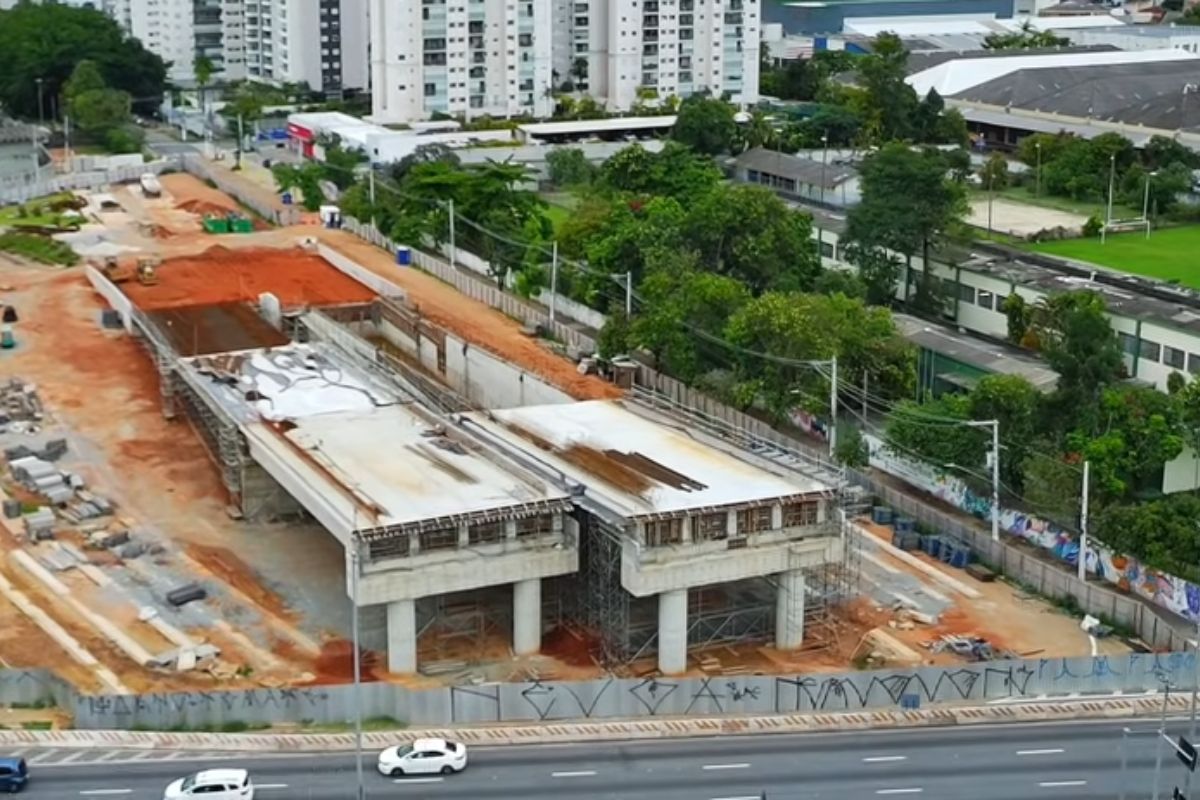


Lapa-Pirituba Bridge Project, Estimated at R$ 367 Million, Resumes Work, Gains Bus Lane, Bike Lane, and New Direct Connection Between Lapa and Pirituba to Relieve the Marginal Tietê.
Crossing the Tietê River without facing the constantly stalled Marginal every day seems like a dream for many who live between Lapa and Pirituba. After years of construction halted by legal issues, the Lapa-Pirituba Bridge resumed progress in 2024 and has become one of the city’s main bets to reorganize mobility between the western and northern zones of São Paulo. The promise is ambitious: a faster, safer crossing with dedicated space for buses, bicycles, and pedestrians.
According to studies presented so far, the Lapa-Pirituba Bridge could cut up to 36 minutes from the daily route of those who depend on buses between the Lapa and Pirituba terminals and about 15 minutes for those making the same route by car, by offering a new axis over the Tietê and reducing dependence on now-saturated bridges and lanes during peak hours.
Where the Lapa-Pirituba Bridge Begins and Ends

In practice, the Lapa-Pirituba Bridge will be built over the Tietê River to directly connect two strategic points in the city.
-
Brazil to Convert 80 Public Properties into 11,000 Affordable Homes Across 44 Cities to Address Housing Shortage

-
Brazilian Company Develops Wall Panels from Recycled Refrigerator Foam with Comparable Thermal and Acoustic Performance

-
Brazil’s São Paulo Region Unveils Latin America’s Largest Timber Shopping Mall, Built in 7 Months, Capturing Carbon and Preventing 900 Tons of Emissions
-
Danish Island Uses Seaweed for Durable, Centuries-Old Roofing Solution


On one side, the route begins at Avenida Raimundo Pereira de Magalhães, near the Projeto Bandeirante condominium in Pirituba. On the other side, the connection reaches Rua Campos Vergueiro in Lapa, integrating with the regional road complex.
The project is not just an isolated crossing. The Lapa-Pirituba Bridge is part of a complete road system designed to more directly connect the northern zone to the western zone of the capital, redesigning accesses, turnarounds, and connections with existing avenues.
The idea is to create a new continuous axis over the Tietê, alleviating some of the pressure on the Marginal and distributing traffic flow better among neighborhoods.
How Much the Project Costs and Why It Was Halted
The construction of the Lapa-Pirituba Bridge is a large-scale intervention and, therefore, requires significant investment.
The estimated cost is around R$ 367 million, financed with municipal funds, covering not only the main structure of the bridge but also new road sections, accesses, widening of avenues, and the implementation of bike lanes in the surrounding area.
After being initiated, the project was stalled for years due to legal and administrative issues, increasing the frustration of those who rely daily on crossing the Tietê.
The official resumption of the Lapa-Pirituba Bridge project in 2024 has reignited expectations of seeing the project finally completed. Currently, the city hall is aiming for delivery between late 2026 and 2027, although residents and drivers remain cautiously optimistic given the history of delays.
How the Lapa-Pirituba Bridge Promises to Change Traffic


Today, those who need to go from Lapa to Pirituba, or vice versa, almost always rely on the Marginal Tietê and the existing bridges, which are consistently overloaded during peak hours.
The Lapa-Pirituba Bridge aims to create a new exclusive crossing route over the Tietê, reducing vehicle concentration at a few accesses.
Mobility studies suggest that, with the redistribution of traffic flow and the reallocation of bus lines, the travel time between the Pirituba and Lapa terminals could decrease by up to 36 minutes for public transport users.
For cars, the estimate is a reduction of about 15 minutes, depending on the time and congestion pattern.
In practice, this means getting home earlier, spending less time stuck in traffic, and having more predictability in daily life.
For about 78,000 people who travel daily between these neighborhoods, the Lapa-Pirituba Bridge has the potential to change routines in a significant way.
Bus Lane, Bike Lane, and Sustainable Modes
One of the most important aspects of the project is that the Lapa-Pirituba Bridge was designed not just for cars. The layout provides an exclusive bus lane, bike lane, and space for pedestrians, in addition to lanes for private vehicles.
The bus lane allows for the reorganization of lines that currently contend for space on the Marginal Tietê, offering a more direct corridor between terminals and neighborhoods. This can improve regularity, reduce delays, and make the Lapa-Pirituba Bridge a more efficient axis for collective transportation.
The bike lane creates an unprecedented connection over the river for cyclists. Although there is still resistance from some of the population regarding bike lanes, the use of bicycles is growing, and each new bike lane potentially means “one less car” on that route.
For those traveling 15, 20, or 30 kilometers, each protected segment counts—and the Lapa-Pirituba Bridge can become an important alternative for urban cyclists in the western and northern zones.
Quality of Life and Urban Development Around the Bridge
The Lapa-Pirituba Bridge doesn’t just affect traffic. By shortening distances and facilitating travel, the project can enhance local economic development, providing quicker access to services, businesses, companies, and job opportunities on both sides of the Tietê.
Neighborhoods that currently seem more isolated are likely to gain circulation, new businesses, and real estate appreciation, while residents will have more route options, more free time, and less daily wear from traffic congestion.
This type of intervention also creates space to rethink urban design: sidewalks, crossings, bus stops, bike lane accesses, and integration with other transport modes.
If well implemented, the Lapa-Pirituba Bridge can be more than just a concrete structure over the river and become a new axis of urban life, connecting people, services, and jobs with greater fluidity.
What’s Missing and What the Population Still Wants to See
Even with the recent progress on the project, the feeling among observers is mixed. On one hand, it is evident that the Lapa-Pirituba Bridge has finally gained momentum, with clear progress in just a few months.
On the other hand, there is concern over new delays, calendar changes, and whether the final delivery will meet the promises made regarding travel time and route quality.
The community still seeks clear answers regarding deadlines, delivery phases, adjustments in the surrounding area, and integration with existing buses and bike lanes.
The better the communication and planning around the operation of the Lapa-Pirituba Bridge, the greater the chance that the project will indeed deliver the mobility leap the region has been expecting for years.
And you, who live, work, or pass through the area, do you believe that the Lapa-Pirituba Bridge will fulfill the promise of reducing up to 36 minutes from your daily commute, or do you think the real gain will be less in practice?








Acredito que vai melhorar o deslocamento Lapa-Pirituba e vice e versa, principalmente para quem utiliza ônibus
Pelo tempo que st levando , provavelmente após seu término , ; ela já estará com seu acesso quase invisível.