






 Portuguese
  Spanish


Investigation Opened by the Federal Public Ministry Seeks to Determine Impacts of the Billion-Dollar Bridge Construction That Promises to Link the Bahia Capital to the Island of Itaparica; Salvador Mayor Points Out Technical Failures and Unfulfilled Promises by the State Government.
The construction of the Salvador-Itaparica Bridge, considered the largest project over water in Latin America, is under investigation by the Federal Public Ministry (MPF).
The agency opened an inquiry to investigate possible environmental damage caused by the initial activities of the project, which has already started to impact the Bahia coastline with seabed drilling.
The bridge, with an extension of more than 12 km, promises to connect the capital to the Island of Itaparica, with an estimated investment of R$ 10 billion.
-
Goodbye to old tiles: renovation technique without construction transforms bathrooms in a few hours, eliminates debris, and reduces costs with coverings using special paints, high-resistance adhesives, and modern finishes that completely renew the space.

-
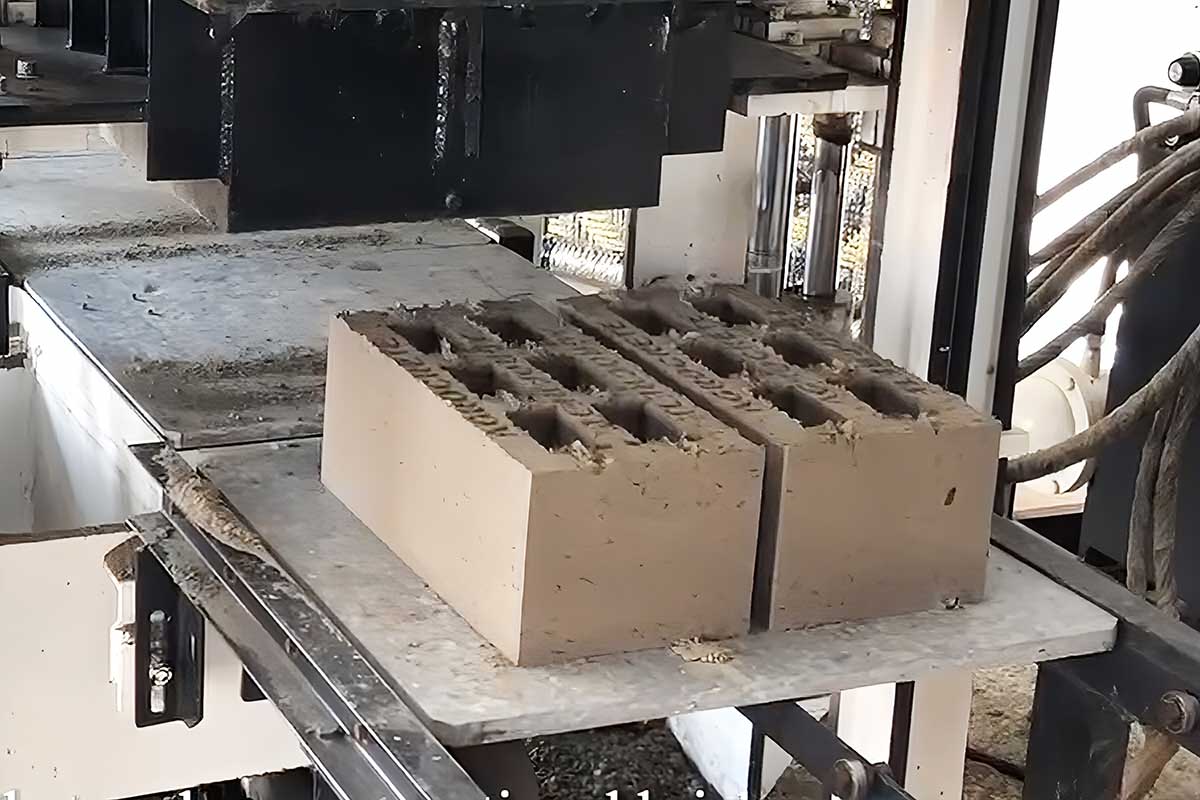
Goodbye to the traditional clay brick: Indian startup transforms burnt straw into a carbon-negative brick that costs half, insulates better, and even removes CO2 from the air.

-
A Japanese governor single-handedly stalled the construction of the world’s fastest train for nine years, and only now has he agreed to allow a tunnel excavated at a depth of 1,400 meters.

-
A 180-meter ship with a deck the size of a football field was christened to carry 25,000 tons of giant energy modules around the world.



The MPF’s concern revolves around the environmental impact generated by the drillings planned during the project’s survey phase.
The Chinese consortium responsible for the project, which won the concession through a Public-Private Partnership (PPP), recently began technical work to define the bridge’s foundation.
Salvador-Itaparica Bridge Remains Under Discussion
According to the project, 102 holes will be drilled along the proposed route of the bridge. Initial analyses identified the presence of pliable rocks on the seabed, which may require structural changes and increase construction costs.
During a press conference on Tuesday (05/27), Salvador Mayor Bruno Reis (União Brasil) expressed concern about the project’s feasibility:
“They conducted the survey and found that the rocks below the sea are pliable. They will need to create different structures for the bridge’s pillars. In a contract that has already been 50% modified before the work starts […] There’s no way this can work out, and it’s not wishing against it.”
Criticism of the State Government’s Track Record of Unfulfilled Promises
The mayor also took the opportunity to criticize the Bahia government’s history regarding major infrastructure projects. According to him, promises made since 2006 remain unfulfilled.
“I remember that in 2006, they [the political group governing Bahia] were elected promising the Salvador-Itaparica Bridge, the Porto Sul, and the East-West Railway. Twenty years have passed, and do you know which of these projects have been delivered? None. Two haven’t even started,” he stated.
Despite the criticisms, Bruno Reis emphasized that Salvador would benefit from the bridge’s completion, provided the processes are carried out with technical and environmental responsibility.
Other Halted Projects Reinforce Doubt
In addition to the bridge, the mayor mentioned two other major projects that are facing obstacles: the Porto Sul Modal Complex and the West-East Integration Railway (Fiol).
The latter recently had its first phase—between Caetité and Ilhéus—suspended, even though 75% of the works have already been completed. The planned route of Fiol spans 537 kilometers and would pass through 19 municipalities in the state.
Source: VEJA


