






 Portuguese
  Spanish


One Brazilian State Remains Isolated From the Rest of the Country. Why Has No One Built a Bridge to Connect It to Brazil Until Today?
Imagine living in a city in Brazil and needing a plane or a 26-hour ferry ride to visit any other state. This is the reality for those who live in Amapá, the most isolated state in Brazil. Despite being part of one of the largest national territories, Amapá still has no direct land connection to the rest of the country. Why is there still no bridge connecting Amapá to mainland Brazil? And what prevents the construction of such basic infrastructure?
In this article, you will understand all the geographical, political, environmental, and economic factors that make this isolation an almost insurmountable barrier, as well as discover which projects have already been initiated, where they are stalled, and what the promises for the future are.
-
15-Year-Old Entrepreneur Malu Lira Publishes 20 Children’s Books on Financial Education, Earns $500,000, and Expands Her Project to the Amazon Rainforest

-
Entrepreneur Turns Rio Cemetery Canteen into a Successful Snack Chain Generating $4.9 Million Annually and Expanding to Metro Stations

-
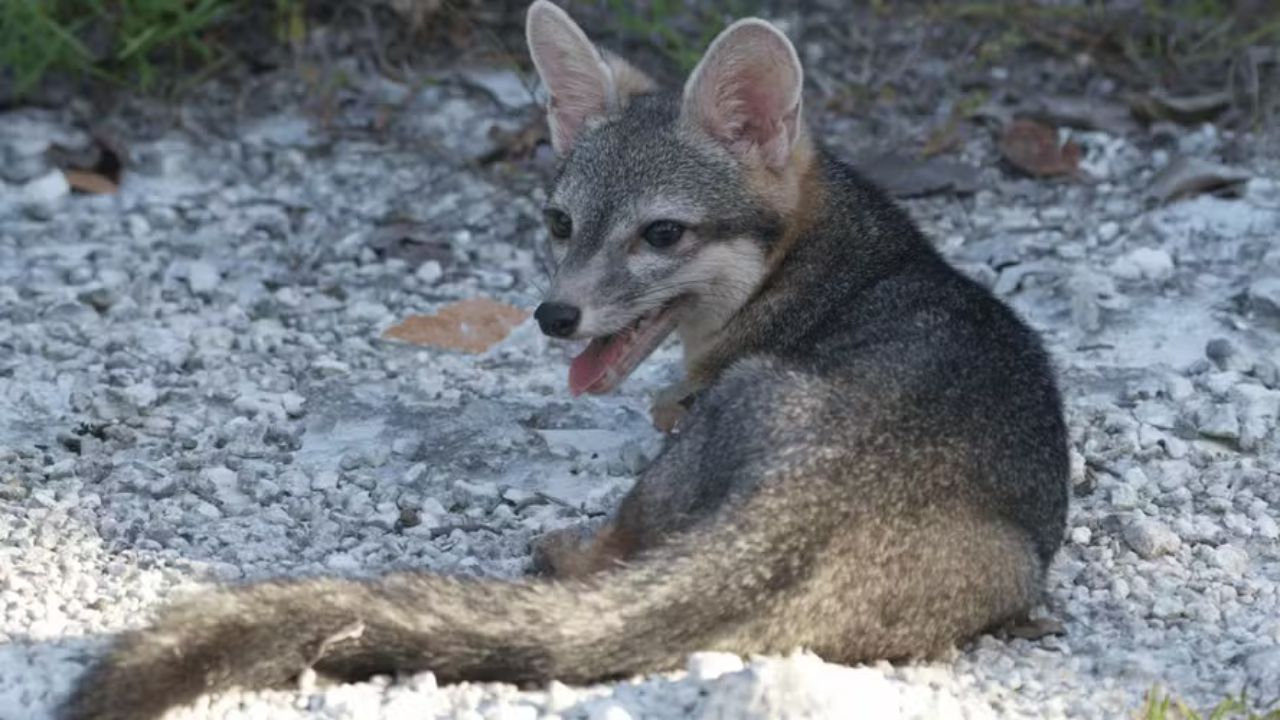
Rare fox feared “extinct” found alive on Caribbean island after over two decades without official sightings

-
21-Year-Old Brazilian Student Turns Homemade Popsicle Hobby into $100,000-a-Month Business




A Brazilian State Surrounded by Rivers and Forest: Amapá Is a Continental Island
Geographically, Amapá is a unique case. Located in the far north of Brazil, the state is surrounded by natural barriers that hinder any attempts at land integration. To the east is the vast Amazon River, to the south the Jari River, to the west the Oiapoque River, and to the north the Atlantic Ocean. With 72% of its surface covered by dense forests, Amapá has only 20% of land free of dense vegetation, according to updated data from the IBGE.
This means that, unlike most Brazilian states, you cannot simply get in a car and drive there. The only operational bridge connects Amapá to the French Guiana, a country that also has no road connections with Suriname, which prevents any viable land route.
The Crossing Drama: How to Get to Amapá
For anyone in any other city in Brazil wishing to visit Amapá with their vehicle, the most direct route is by water. The crossing departs from Belém (PA) and takes a ferry for 26 hours to Macapá, the capital of the state. The route includes crossing the Island of Marajó and stretches of rivers in the Amazon region. The only quicker alternative is air transport.
There is also an international connection: the Brazil-France binational bridge, inaugurated in 2017, connects the city of Oiapoque to French Guiana. The project was the result of an agreement between then-presidents François Hollande and Dilma Rousseff. Although it is an important symbolic connection, it is far from integrating Amapá with national territory.
The Bridge That Exists but Does Not Connect Brazil
Interestingly, to enter French Guiana from Amapá, you cannot simply present a Brazilian driver’s license. The country requires an international document, and in practice, many Brazilians are blocked, despite a reciprocity agreement between the two countries. This happens because, although Guiana is French territory, the entry rules are stricter than in airports in Europe. According to local reports, even cases of Brazilian workers being kidnapped by illegal groups have been recorded at the border, with rescues carried out by the Brazilian Army.
An Abandoned Project: The Bridge Over the Jari River
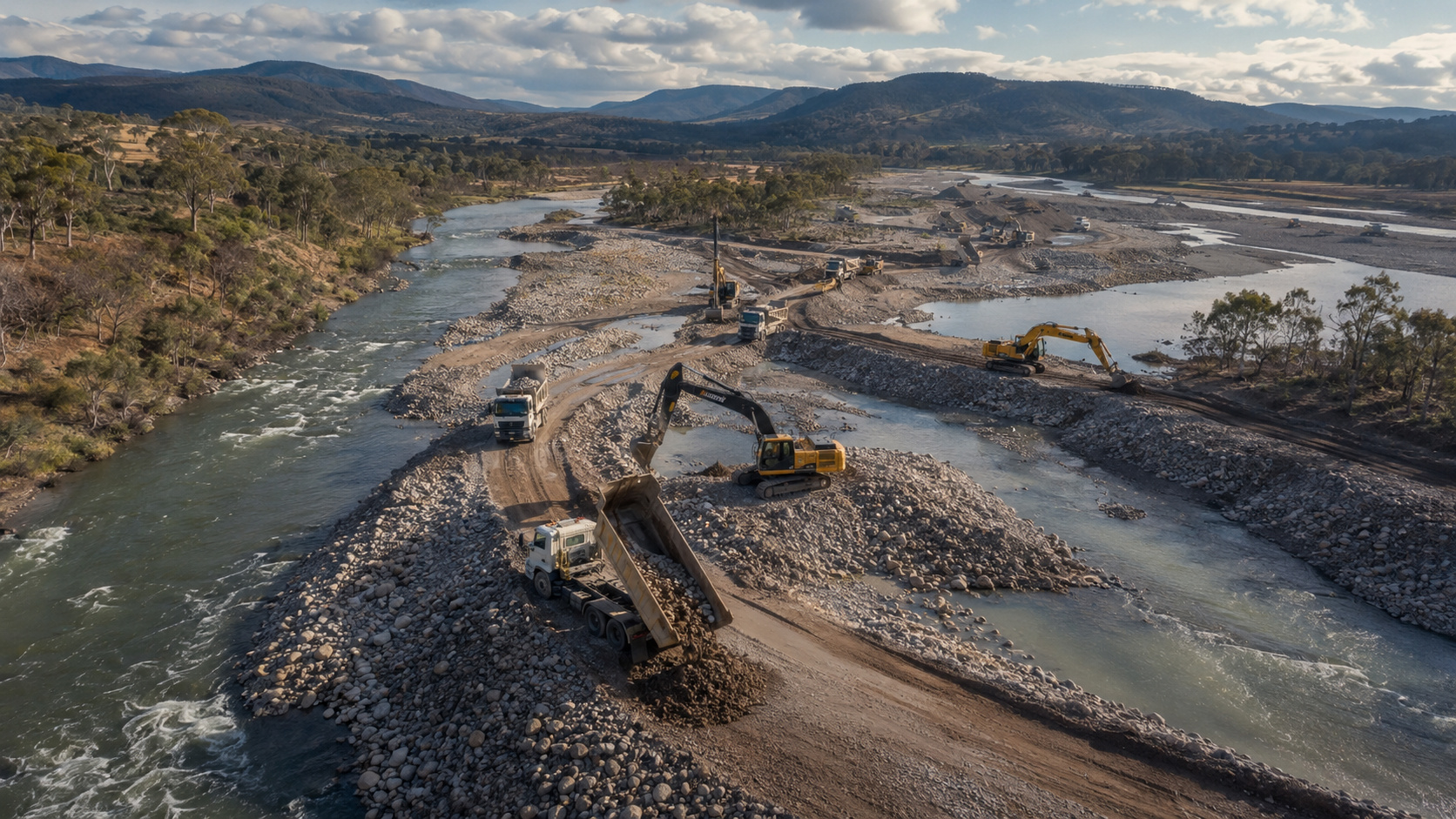
The only bridge that would connect Amapá directly to Pará, over the Jari River, began construction in 2002. However, more than 20 years later, only 39% of the structure has been completed, and the project has been stalled for over a decade. With an initial cost of R$ 1 million at the time, the amount needed for its completion now exceeds R$ 50 million, according to audits from the Federal Public Ministry.
The project was even included in the new PAC (Growth Acceleration Program) of the federal government, which brought some hope for resumption, but so far there has been no concrete movement at the construction site.
The BR-156: The Road That Never Ended
Another symbol of the neglect of infrastructure in the region is the BR-156 highway, which links the southern part of the state to the municipality of Oiapoque in the north. Construction of the road began in 1932, but it has yet to be completed. Of the total 823 km, more than 100 km remain unpaved, making travel long, dangerous, and, in many parts, impassable during the rainy season.
An Economy Without Large Industries, Based on Mining Where Gold Represents 38% of State Exports
The geographical isolation of Amapá is directly reflected in its economy. The state relies heavily on the primary sector, with a focus on gold extraction, which accounts for 38% of state exports, according to the Ministry of Development, Industry, Trade and Services. Brazil nuts, timber, manganese, granite, and kaolin are also among the main products. Agriculture is based on producing rice and cassava, while livestock farming is dominated by cattle and buffalo.
The absence of large industrial centers in the state of Brazil is exacerbated by the distance from the economic hubs in the Southeast — over 2,000 km from Macapá — which makes it unfeasible to install factories with national logistics.
New Pre-Salt and Hope in the Blue Amazon: A Reserve of Up to 30 Billion Barrels of Oil Promises to Place Brazil Among the Four Largest Oil Producers in the World
Despite the difficulties, a new chapter may be emerging for Amapá. A potential oil discovery in the so-called Blue Amazon, a maritime area under Brazilian jurisdiction, could transform the state into a new energy hub. It is estimated that the reserve contains up to 30 billion barrels, which could position Brazil among the four largest oil producers in the world.
The authorization to explore this area depends on Ibama, which is still analyzing the environmental risks involved, especially due to its proximity to the ecosystem of the Amazon River. The new area was inspired by the success of oil exploration in Guiana, which recently surprised the world with billion-dollar discoveries.
Amapá: The Brazil That Has Yet to Arrive
Amapá remains a symbol of the infrastructure inequality among Brazil’s regions. Isolated by natural barriers, abandoned by unfinished projects, and without land connection to the rest of the country, the state lives a dilemma between environmental preservation, economic development, and territorial inclusion.
Meanwhile, the people of Amapá continue to dream of something that seems so basic: a bridge that connects them to the rest of Brazil.
And you, were you already aware of this reality in Amapá? Do you believe that the state will finally be connected to the rest of the country in the coming years? Leave your comment below and share this article so that more people understand this invisible challenge in the heart of the Amazon.






Enquanto os interesses forem pro bolso dos poderosos, não sairá do papel,o povo não precisa de infraestrutura.
Enquanto os políticos não levar vantagens milionária não vão fazer nada pelos nossos irmãos amapaense que estão esquecidos naquela parte do nosso Brasil…….
Brasil tá esquecido.
#sai fora Lula