Portuguese
  Spanish


Contamination by Pseudomonas aeruginosa led to the suspension of the sale, distribution, and use of 374,000 bottles while investigation advances
A sanitary measure of great impact was announced by the National Health Surveillance Agency this Wednesday, June 3, 2026, after the identification of the bacteria Pseudomonas aeruginosa in a batch of Crystal non-carbonated mineral water. The batch LZ1 VAL200127 3 P 200126, produced by Mineração Bom Jesus, in Luziânia, Goiás, comprises about 374,000 bottles of 500 ml distributed in the Federal District, Goiás, Tocantins, and the interior of São Paulo. The decision suspended the commercialization, distribution, and use of the affected units while health authorities continue the investigation.
Technical analysis confirmed the contamination
The discovery occurred during a routine analysis conducted by the Central Public Health Laboratory of the Federal District, Lacen-DF, responsible for identifying the presence of the microorganism in the samples evaluated. The counterproof confirmed the result and, therefore, the batch was interdicted and the case reported to Anvisa. The product was manufactured on January 20, 2026, and is valid until January 2027. So far, evidence points to an occurrence restricted to the recalled batch.
Bacteria is the same species found in Ypê products
The main question after the recall involves the comparison with the case of Ypê products in 2025. The bacteria found in Crystal water is of the same species identified in batches of the brand’s detergents: Pseudomonas aeruginosa. This, however, does not indicate that the two episodes have the same origin. The microorganism is relatively common in nature and can appear in humid environments, such as water, soil, sinks, drains, reservoirs, industrial equipment, and surfaces with moisture accumulation.
-
Entrepreneur Turns Rio Cemetery Canteen into a Successful Snack Chain Generating $4.9 Million Annually and Expanding to Metro Stations

-
Rare fox feared “extinct” found alive on Caribbean island after over two decades without official sightings

-
21-Year-Old Brazilian Student Turns Homemade Popsicle Hobby into $100,000-a-Month Business

-
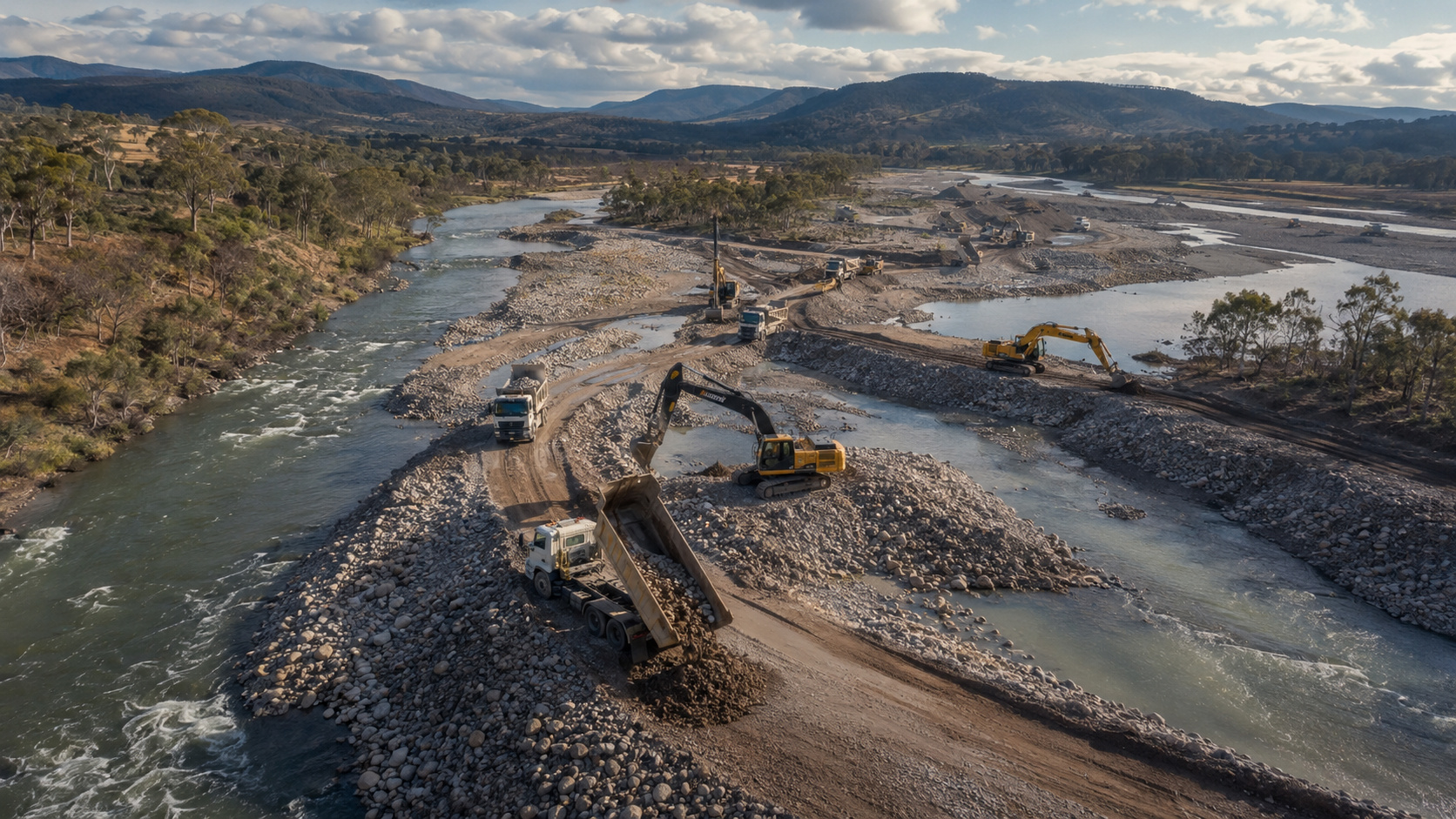
Australia Dumps Hundreds of Thousands of Tons of Gravel into Rivers to Restore Natural Barriers and Reverse 150 Years of Erosion





Risks are greater for vulnerable groups
Pseudomonas aeruginosa is considered an opportunistic bacterium and, in healthy individuals, often does not cause symptoms or serious consequences. The risk increases for individuals with compromised immunity, hospitalized patients, people with chronic diseases, and those using immunosuppressive medications. When it causes infections, it can affect different parts of the body, including the ear, skin, eyes, urinary tract, and respiratory system.
Severe cases may require extra attention
More severe cases may involve the bloodstream, lungs, bones, joints, and even heart valves, especially in hospitalized patients. Some strains of the bacterium also show resistance to certain antibiotics, which can complicate treatment in more complex situations. This characteristic reinforces the importance of preventive recall when the presence of the microorganism is confirmed in industrial products.

Investigation seeks source of contamination
The presence of the bacterium in industrial products is usually associated with specific failures in sanitary control during collection, storage, bottling, handling, or transportation. In the case of Crystal water, the investigation is still ongoing. The manufacturer informed the health authorities that it conducted an internal investigation to identify possible causes of contamination and stated that it is cooperating with Anvisa and the health surveillance agencies.
Recall keeps batch out of circulation
The suspension of the commercialization, distribution, and use of the affected bottles remains a preventive measure while the case is being investigated. The interdiction seeks to prevent units of batch LZ1 VAL200127 3 P 200126 from continuing to circulate in the states where they were distributed.
The investigation should clarify whether the occurrence remains restricted to the recalled batch and how the contamination occurred.