






 Portuguese
  Spanish
  5 min of reading
  4 comments


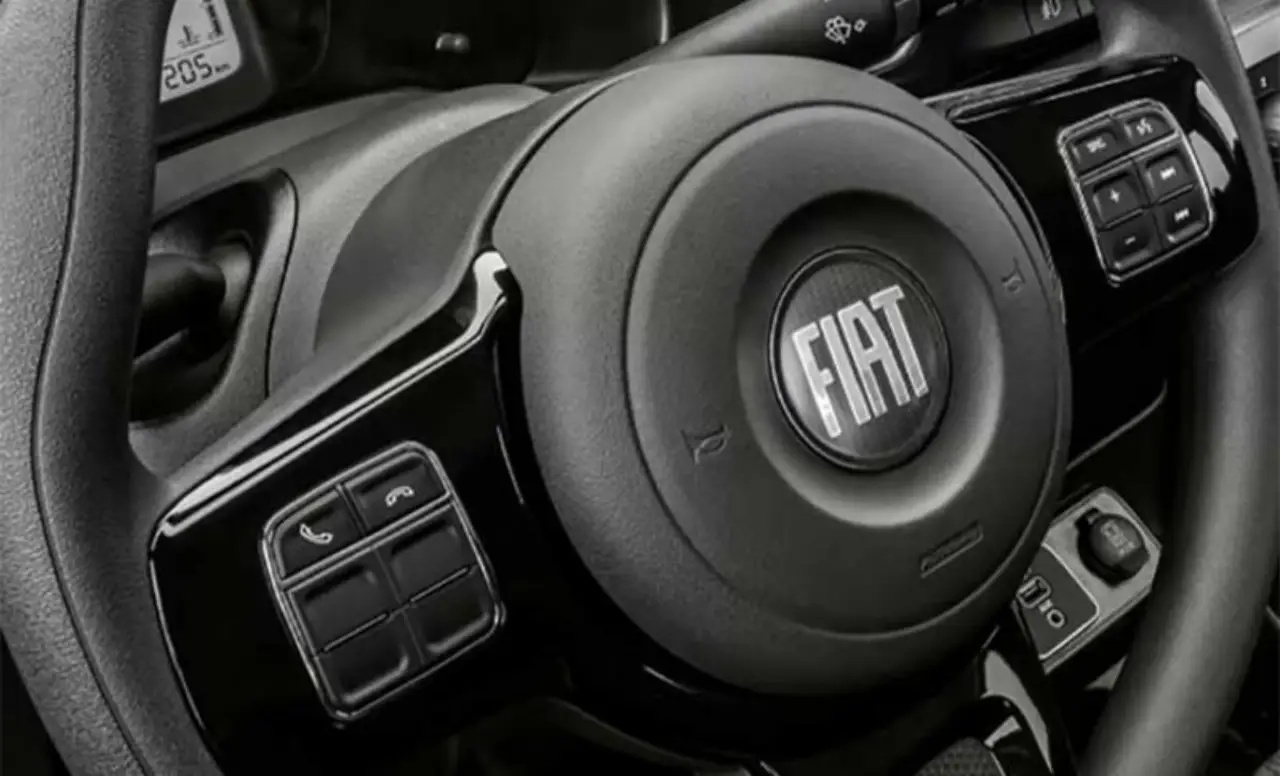


Neither Kwid Nor C3! For Less Than R$ 62 Thousand, The Cheapest Popular Car In Brazil Revives The Engine Of The Legendary Uno Square – The Fire 1.0 Flex With Four Cylinders And 74 Hp.
If you thought popular cars had disappeared from the map, the Fiat Mobi 2025 is here to prove otherwise. In times of soaring prices, the Fiat subcompact surprises not only with its value, which can be found for just over R$ 61 thousand—but also with its performance, economy, and even a touch of nostalgia: the engine that powers the Mobi is the same one that marked an era in the beloved Uno Square. And yes, with this setup, it can cover up to 700 km on a single tank of fuel, according to the manufacturer itself.
Fiat Mobi Like 2025 Takes The Lead Among The Cheapest New Cars In Brazil
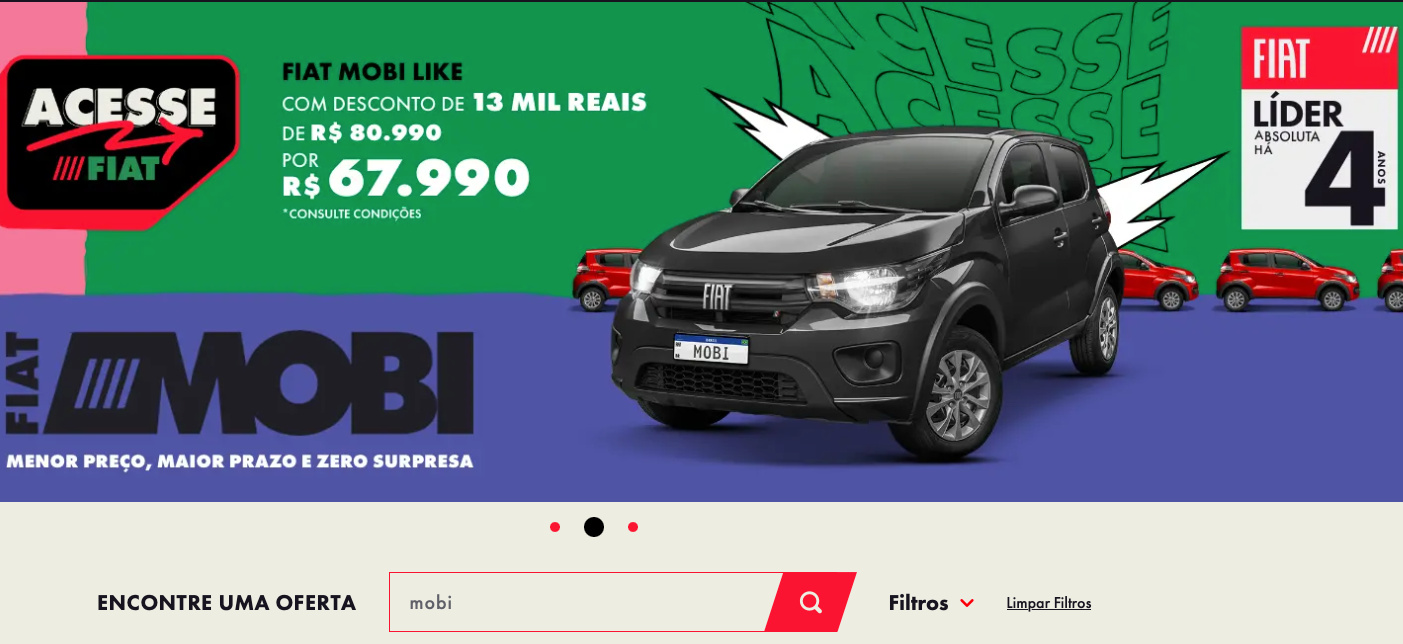
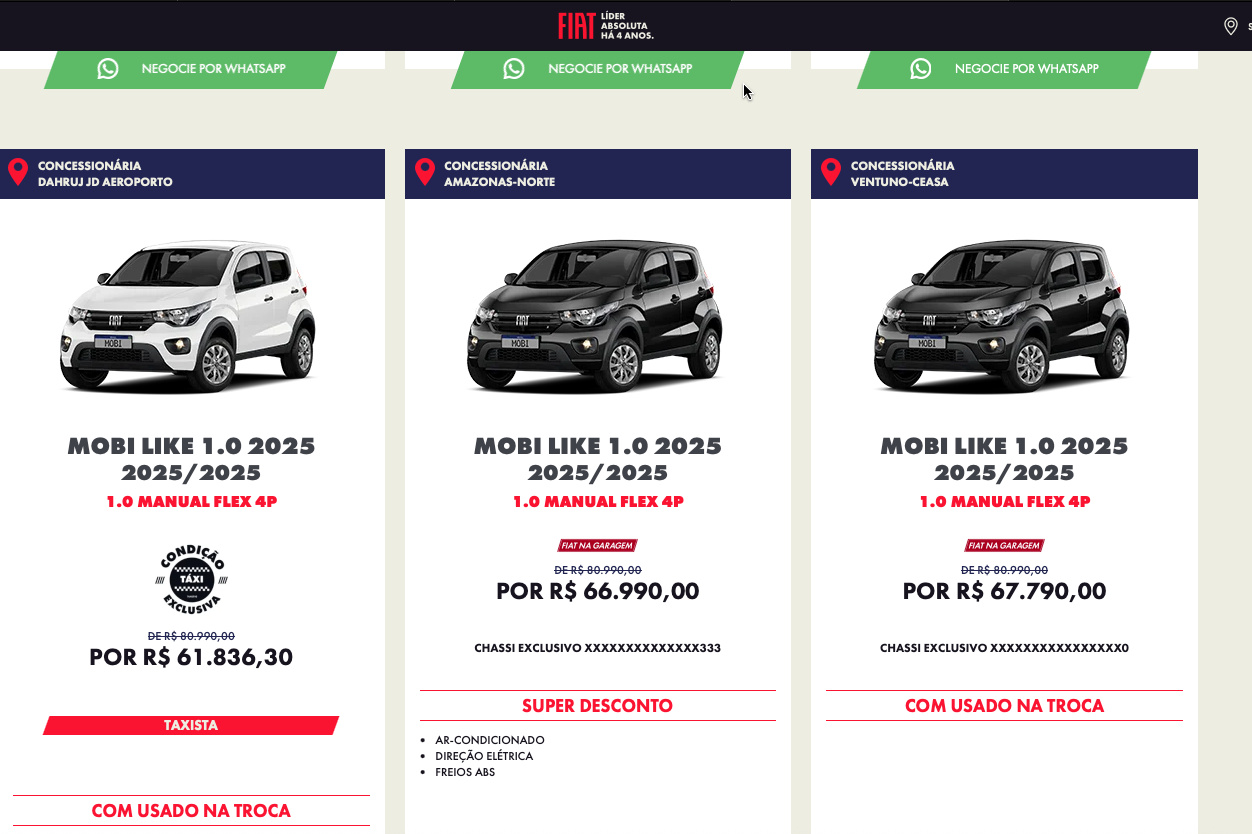
For a long time, the title of the cheapest new car in the country was held by the Renault Kwid, but that scenario has changed. With recent adjustments, the one dominating now is the Fiat Mobi Like 2025, whose official list price is R$ 80,990. However, with special conditions for taxi drivers, it can be purchased for R$ 61,836. And even for the general public, there are promotions on the official Fiat website offering the model for R$ 67,990—a difference of R$ 13 thousand compared to the full price, in addition, the subcompact can also be financed with affordable installments.
Kwid And Citroën C3 Complete The Podium, But With Reservations
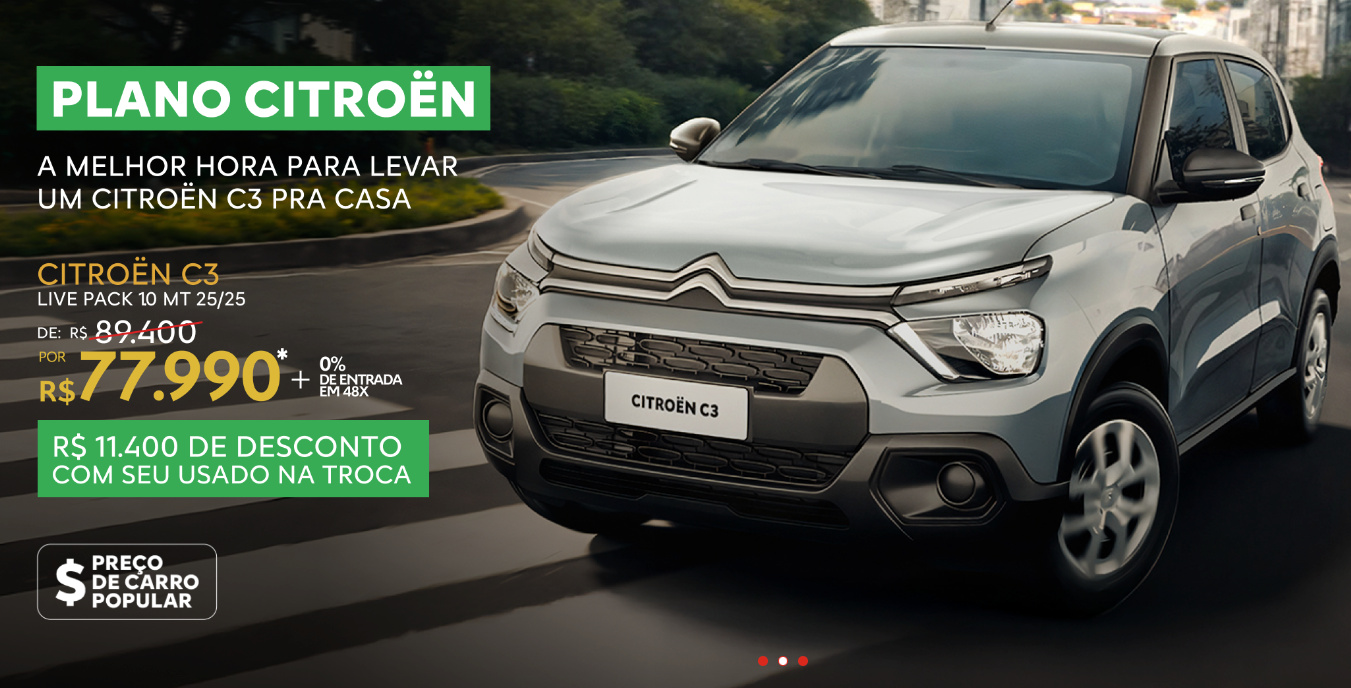
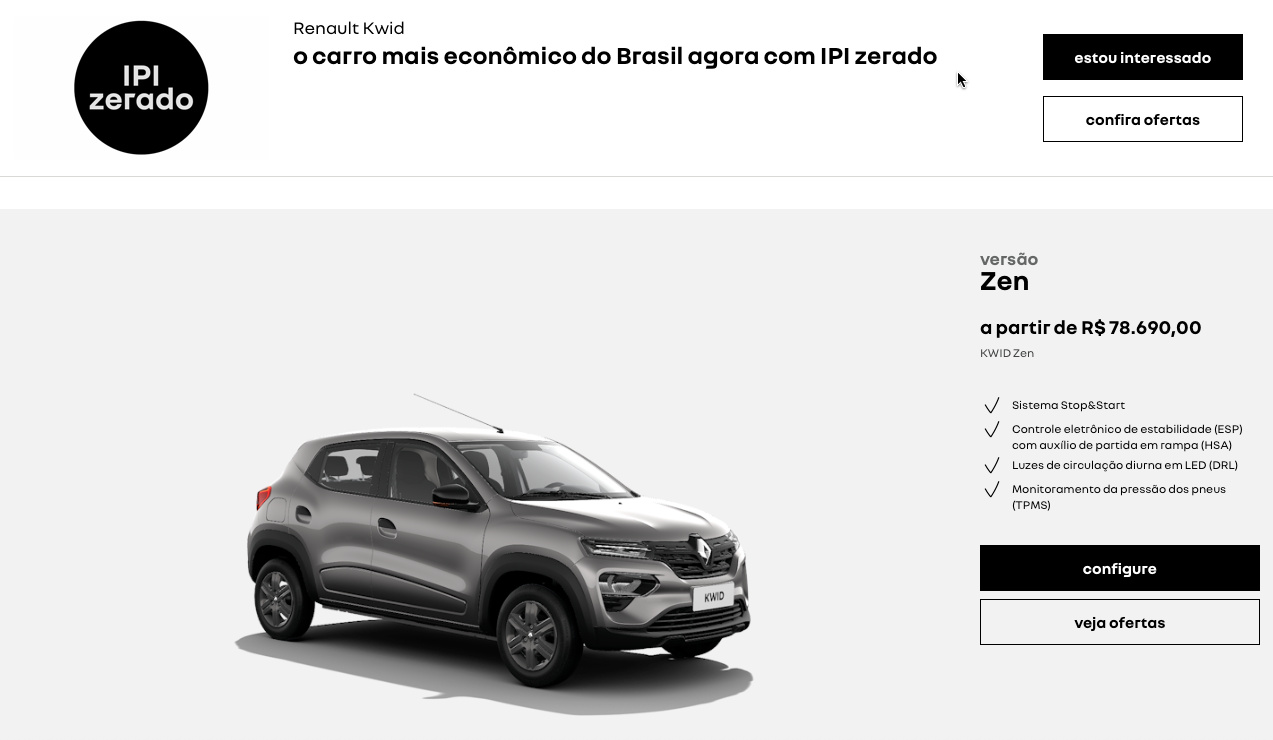
Shortly behind the Mobi is the Renault Kwid, listed at R$ 78,690 on the Renault website. Closing the top 3, we have the Citroën C3, which starts at R$ 89,400 but can drop to R$ 77,790 with the trade-in of a used car, according to information from Citroën.
-
Uber Faces Shareholder Scrutiny as Board Accused of Ignoring Safety, Compliance, and Harassment Warnings Amid Over 3,500 U.S. Lawsuits

-
Ferrari’s First Electric Car Divides Fans, Priced at $630,000, Amid Concerns Over Limited Editions; Brand Clarifies It’s Not Just for Future Perks
-
BYD Dolphin Mini: The Electric Car That Defies Depreciation, Losing Only 3.58% in a Year and Becoming the Best-Selling Retail Model Under $22,000

-
Electric Car JAC E-JS4 Loses $19,000 in Value in One Year, Leading Record Depreciation of Used Cars in Brazil Due to Expensive Battery and New Models


Although the price difference between these three cars is not huge, there are important points to consider before deciding which one is more worthwhile: interior space, fuel economy, performance, and maintenance costs.
Small On The Outside And Inside, The Mobi Is The Smallest Flex Car In Brazil
In terms of size, the Fiat Mobi leads again, but this time as the smallest flex car on the market. With 3.57 meters in length, 1.67 m in width, 1.55 m in height, and 2.30 m in wheelbase, the Mobi is compact in every sense. It only loses to the tiny electric Caoa Chery iCar, which doesn’t even use a combustion engine.
This reduced size is also reflected in the interior space. The back seat is limited, and the trunk has only 235 liters, the smallest among the three models compared. The Kwid has 290 liters, and the Citroën C3 stands out with 315 liters, besides being the widest and longest of the three, offering more comfort for rear passengers.
An Old Friend Under The Hood: Fire 1.0 Engine With 74 Hp From The Legendary Uno Square That Promises
If the name Fire engine sounds familiar, it’s because it’s a true dinosaur of the Brazilian industry and remains strong in the Mobi. We are talking about the same propeller that equipped the old Fiat Uno, with four cylinders, 1.0 flex, 74 hp of power, and 9.9 kgfm of torque.
The Renault Kwid has a 1.0 engine with three cylinders, producing 71 hp and 10 kgfm of torque, while the Citroën C3 features the most powerful engine of the three, with 75 hp and 10.7 kgfm. Both also use a five-speed manual transmission, like the Mobi.
According To Fiat, The Mobi Can Travel 700 Km On A Single Tank!
According to Fiat’s data, this mechanical set delivers an average consumption of 13.5 km/l in the city and 15 km/l on the highway with gasoline. Using ethanol, the numbers drop to 9.6 km/l and 10.4 km/l, respectively.
With a 47-liter tank, it’s possible to reach 700 km of autonomy with just gasoline—something noteworthy in such a cheap car.
The Cheapest Car In Brazil Already Comes With Electronic Stability Control (ESP), Air Conditioning, Power Steering, Power Locks And Windows, Dual Airbags, ABS Brakes, And Tire Pressure Monitor
One of the most frequent criticisms of the Mobi has always been its simplicity in equipment. But that changed in 2024, when it started offering electronic stability control (ESP), a mandatory item by law. In addition, it already comes with air conditioning, power steering, power locks and windows, dual airbags, ABS brakes, and tire pressure monitor.
The Like version also includes onboard computer, rear wiper, and defroster, while the Trekking version adds roof rack, multimedia center with wireless Android Auto and Apple CarPlay, driver’s seat with height adjustment, and steel wheels with darkened hubcaps.
In comparison, the Renault Kwid fares better in some points, such as the inclusion of side airbags and headlights with height adjustment, as well as factory radio and Bluetooth. The Citroën C3 ranks higher, with electric steering and a stronger engine, but falls short in interior finishing, according to recent tests by Inmetro and Latin NCAP.
Is It Worth Buying The Mobi, The Cheapest Popular Fiat Car In Brazil?
If you are looking for a popular car for real, with an affordable price and low maintenance cost, the Fiat Mobi appears as a logical choice. It is ideal for those who drive a lot in the city, need an economical car, and want to avoid high installments.
On the other hand, if your focus is on interior space and more comfort items, the Kwid or the Citroën C3 may be more interesting even if the price difference is a burden on your wallet.
In the end, the Fiat Mobi delivers exactly what it promises: a cheap, simple, efficient car with good autonomy. It might not be the most spacious or the most modern, but it remains an honest option for anyone looking to upgrade from a used car to a brand-new one with the least impact possible on their budget.
So, which of the three models is your favorite? Let us know in the comments! And if you know someone thinking about changing cars, share this article with them!





Comprarei este.
Preço de 61k é com carro na troca e só pra taxista. Vá fazer materia direito!
Prefiro o MOBI mesmo com saudade do UNO WAY 1.4 quanto aos espaços mas com com A GARANTIA QUE SEMPRE CLAMO MOTOR FIRE 4 CILINDROS, CORREIA NÃO BANHADA AO ÓLEO.