Portuguese
  Spanish




After Adjustments to the Emergency Response Plan, Petrobras Received Authorization from Ibama to Drill a Well in the Equatorial Margin, Between Amapá and Pará. The Decision Reignites Debate Over Oil Exploration in the Amazon.
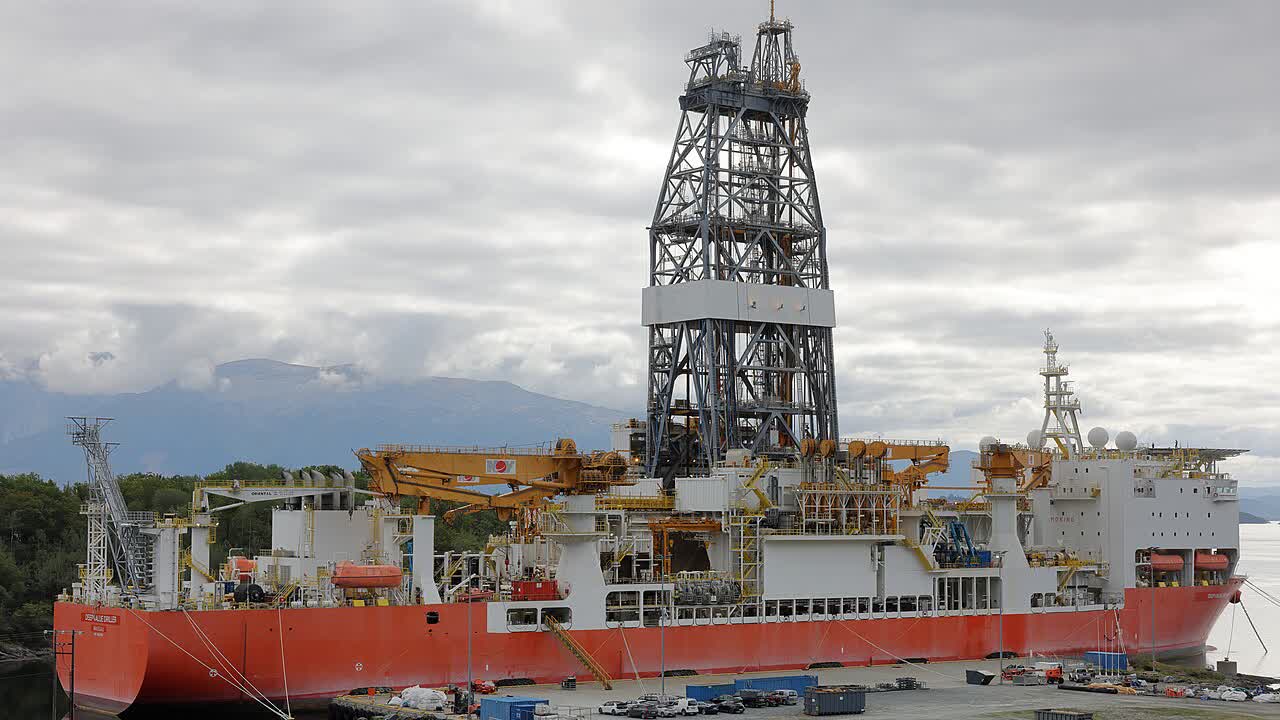
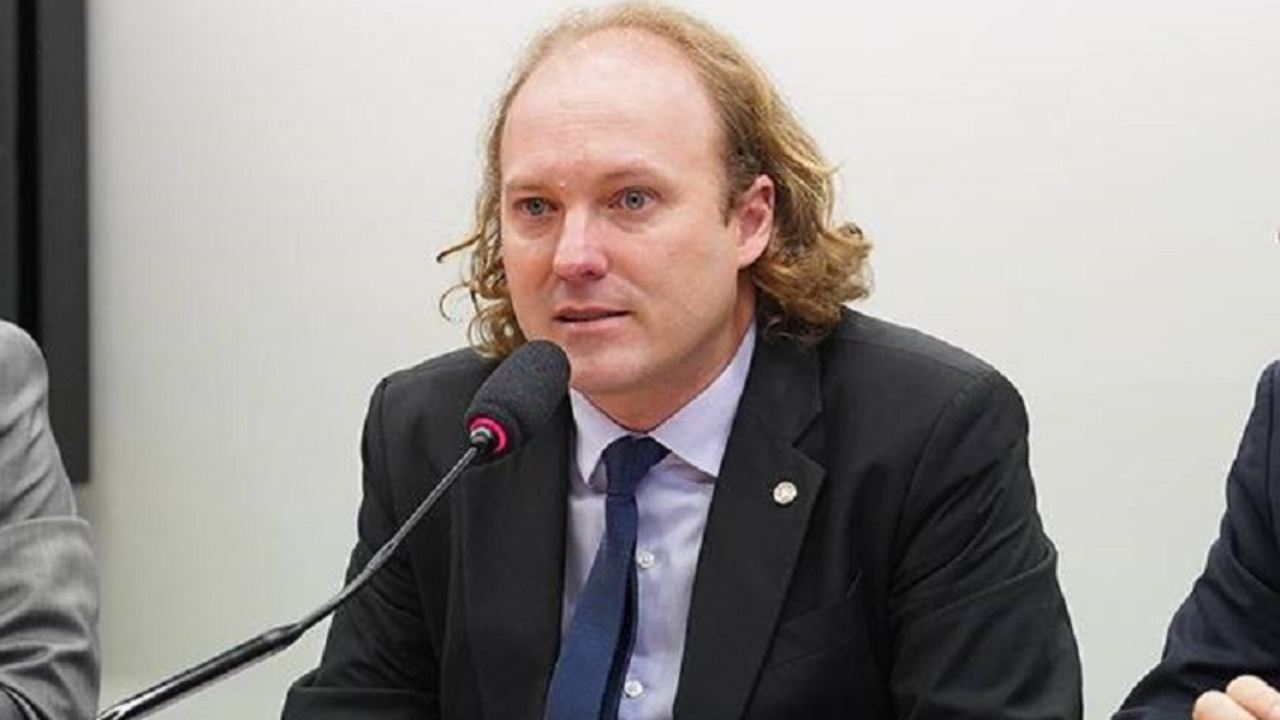
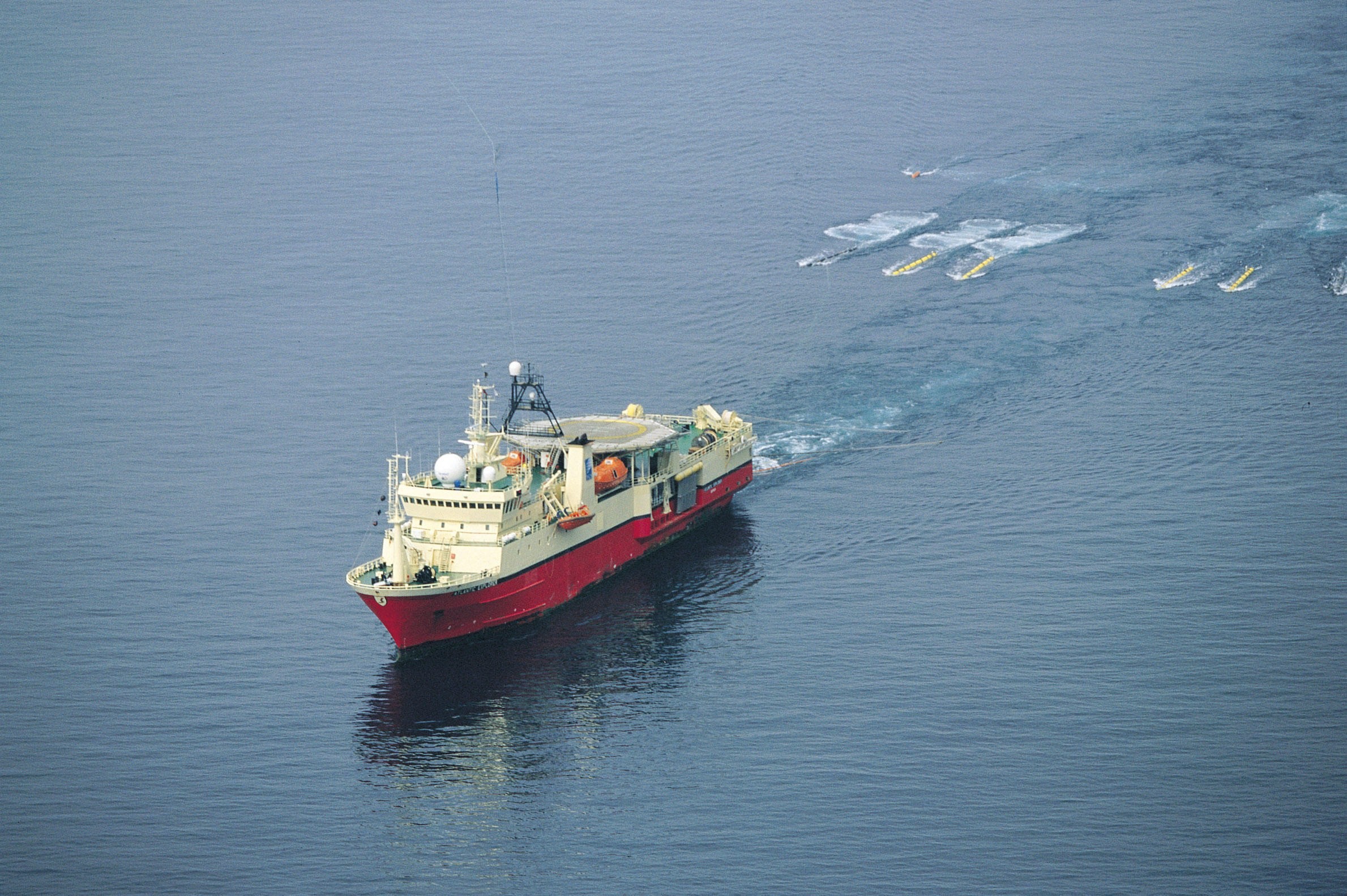
Ibama authorized Petrobras to conduct exploratory drilling to research oil at the Morpho well, located about 500 kilometers from the mouth of the Amazon River. The area is part of the so-called Equatorial Margin, a region that divides the states of Amapá and Pará. The decision, announced by the president of the agency, Rodrigo Agostinho, during the Roda Viva program this Monday (3), reignites one of the most intense environmental debates in recent years.
The environmental license was granted after a series of technical and operational adjustments made by Petrobras, which had been seeking Ibama’s approval to begin exploratory drilling since 2023.
Strategic Changes Secured Green Light from Ibama
According to Agostinho, the main reason that led Ibama to allow the research was the revision of the emergency plan presented by Petrobras. In the previous request, made in 2023, the state company had anticipated that potential incidents, such as oil spills, would be addressed by a response team located in Belém (PA), about 700 kilometers from the drilling point.
-
Qantas and Airbus Invest in Company Aiming to Convert Unsorted Household Trash into Jet Fuel

-
Brazil’s ANP Opens 86 New Oil Blocks in the Equatorial Margin, Expanding the Amazon River Mouth Frontier

-
OPEC+ Boosts Oil Supply by 188,000 Barrels per Day in July 2026, Leading to Price Drop from $112 to $89 per Barrel in Under Two Months

-
TotalEnergies Signs 20-Year Deal to Purchase 2 Million Tons of LNG from Alaska, Boosting Project Viability
Ibama’s technicians considered the plan unfeasible. “Ibama’s teams always understood that a project of this nature was not viable,” Agostinho stated.
After the denial, Petrobras restructured its safety framework. A new emergency base was installed in Oiapoque (AP), a city in the far north of the country, approximately 170 kilometers from the research area. This change, according to the president of Ibama, was crucial to ensure the approval of the new request.
“Ibama tested the emergency center (…) the response time to a potential accident with a base in Oiapoque was sufficient for the company to obtain the license to research oil in this region,” Agostinho explained.
Environmental Impact and Challenges of Exploration in the Amazon Region
Despite the authorization, the decision generated criticism from environmentalists and non-governmental organizations, who warn about the environmental risks of oil exploration in a sensitive area with high biodiversity. The Equatorial Margin harbors unique ecosystems and areas close to the mouth of the largest river on the planet, the Amazon River.
During the program, Greenpeace member Jaqueline Sordi questioned the environmental impacts of the project and the risk of leaks in a territory that is still poorly studied. Other journalists and experts also highlighted that, even with the reinforcement of the emergency structure, the geographical and climatic conditions of the region pose additional challenges for Petrobras.
The state company claims that the project is of an exploratory nature and that all safety protocols have been reviewed as required by Ibama. The company also assures that the aim of the drilling is to research the energy potential of the Equatorial Margin, without immediately commencing commercial production.
According to company technicians, the installation of the base in Oiapoque represents an important logistical advance, allowing for a rapid response in case of incidents and enhancing operational control over the region. The initiative also integrates Petrobras’s strategy to diversify its exploration fronts, especially in promising areas outside the pre-salt.
Public Debate and International Pressures
The case of the Equatorial Margin is being closely monitored by international observers and environmental agencies. The discussion involves not only the economic feasibility of oil exploration, but also Brazil’s coherence with its climate targets and commitments to reduce carbon emissions.
During the interview on Roda Viva, Agostinho emphasized that Ibama acts based on technical and not political criteria. According to him, balancing energy development and environmental preservation is the greatest challenge of our time.
Participants in the panel included journalists Luis Felipe Azevedo (O Globo), Eduardo Geraque (biologist and reporter), Marina Rossi (BBC), Giuliana de Toledo (Folha de S.Paulo), and Jaqueline Sordi (Greenpeace), who raised questions about transparency, governance, and social impacts of exploration in the Amazon.
With the release of the license, Petrobras takes an important step toward resuming research in the Equatorial Margin— a strategic region that could redefine the future of the oil sector in Brazil, but which remains surrounded by environmental challenges and global pressures.