Portuguese
  Spanish


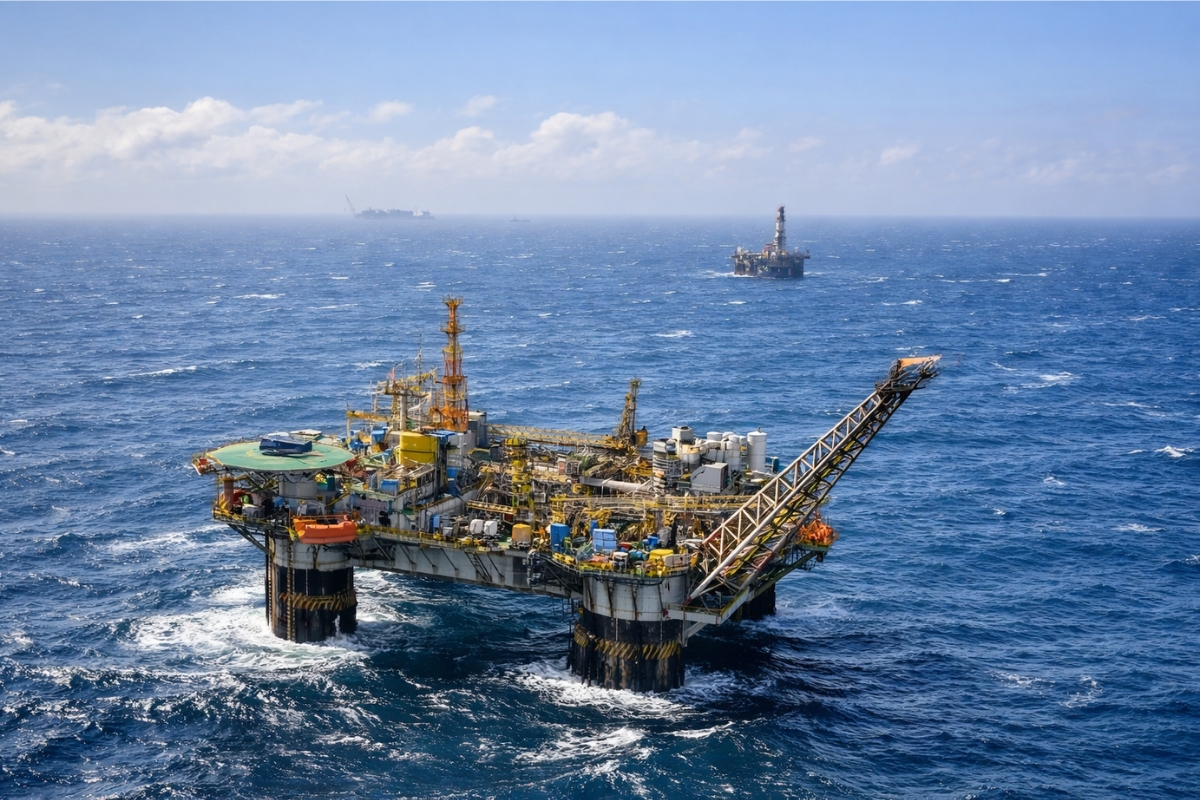

In 18 days, the state-owned company confirmed two promising signals in the pre-salt of Campos, combining mature area and exploratory frontier in a single strategy to reinforce reserves and sustain the energy transition in Brazil.
The Brazilian state-owned company confirmed two discoveries in the pre-salt of the Campos Basin in less than 30 days. On March 26, it found oil of excellent quality in Marlim Sul. On April 13, it identified hydrocarbons in C M 477, in deep waters off the coast of Rio de Janeiro.
The first well is located 113 km from the coast of Campos dos Goytacazes, at a water depth of 1,178 meters. The second is 201 km from the coast of the state of Rio de Janeiro, at 2,984 meters. In both cases, the samples were sent to the laboratory, a step that will still define reservoirs, fluids, and the real potential of each area.
This sequence changes the reading on Campos. Instead of an isolated announcement, the two results suggest a dual front for reserve replenishment, with simultaneous advancement on mature area and exploratory frontier.
-
With a record production of nearly 3 million barrels per day, Petrobras resumes importing diesel in July, highlighting the bottleneck in Brazilian refining.

-
Qantas and Airbus Invest in Company Aiming to Convert Unsorted Household Trash into Jet Fuel

-
Brazil’s ANP Opens 86 New Oil Blocks in the Equatorial Margin, Expanding the Amazon River Mouth Frontier

-
OPEC+ Boosts Oil Supply by 188,000 Barrels per Day in July 2026, Leading to Price Drop from $112 to $89 per Barrel in Under Two Months

Marlim Sul on March 26 opened the signal in mature area
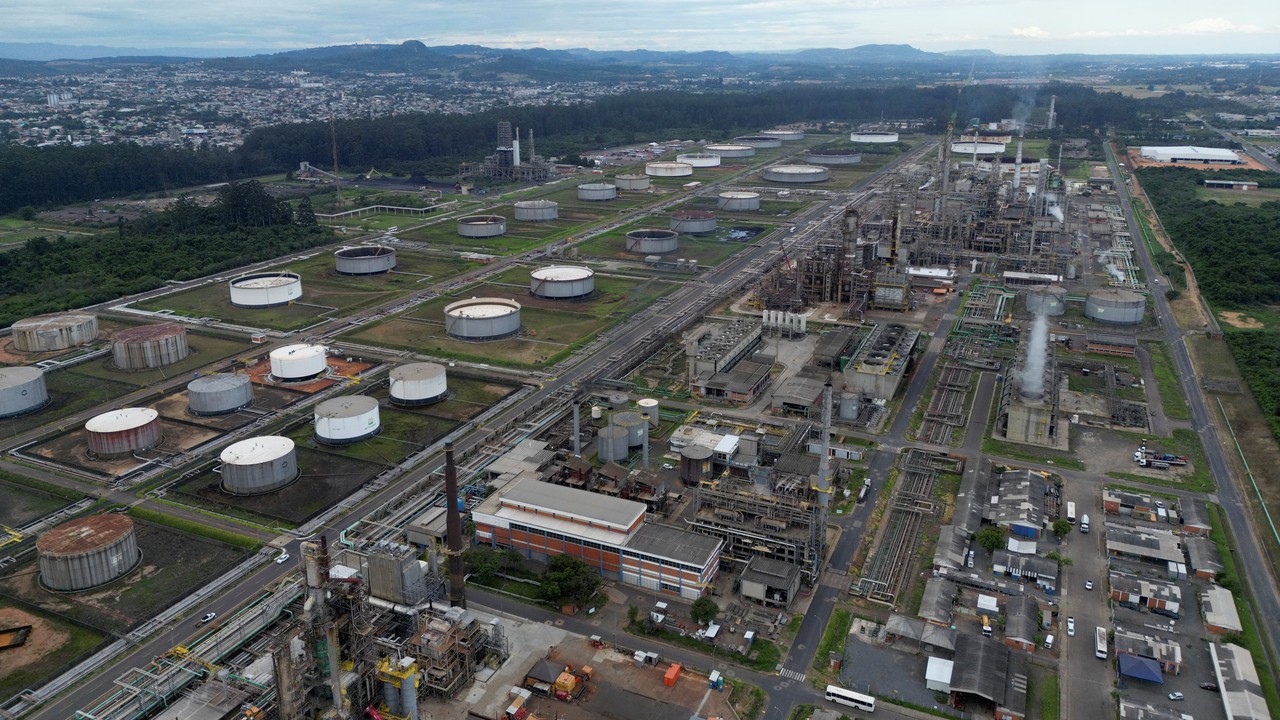
In the first announcement, the find occurred in the Marlim Sul field, in an exploratory well drilled in the pre-salt of the Campos Basin. The discovery was described as oil of excellent quality, identified by electrical profiles, indications of gas, and fluid sampling.
This point is significant because Marlim Sul is part of an already known area of the basin. The operation there was presented as part of the strategy for reserve replenishment in mature areas, with the entire operation in the hands of the state-owned company.

C M 477 on April 13 raised the bet to 2,984 meters
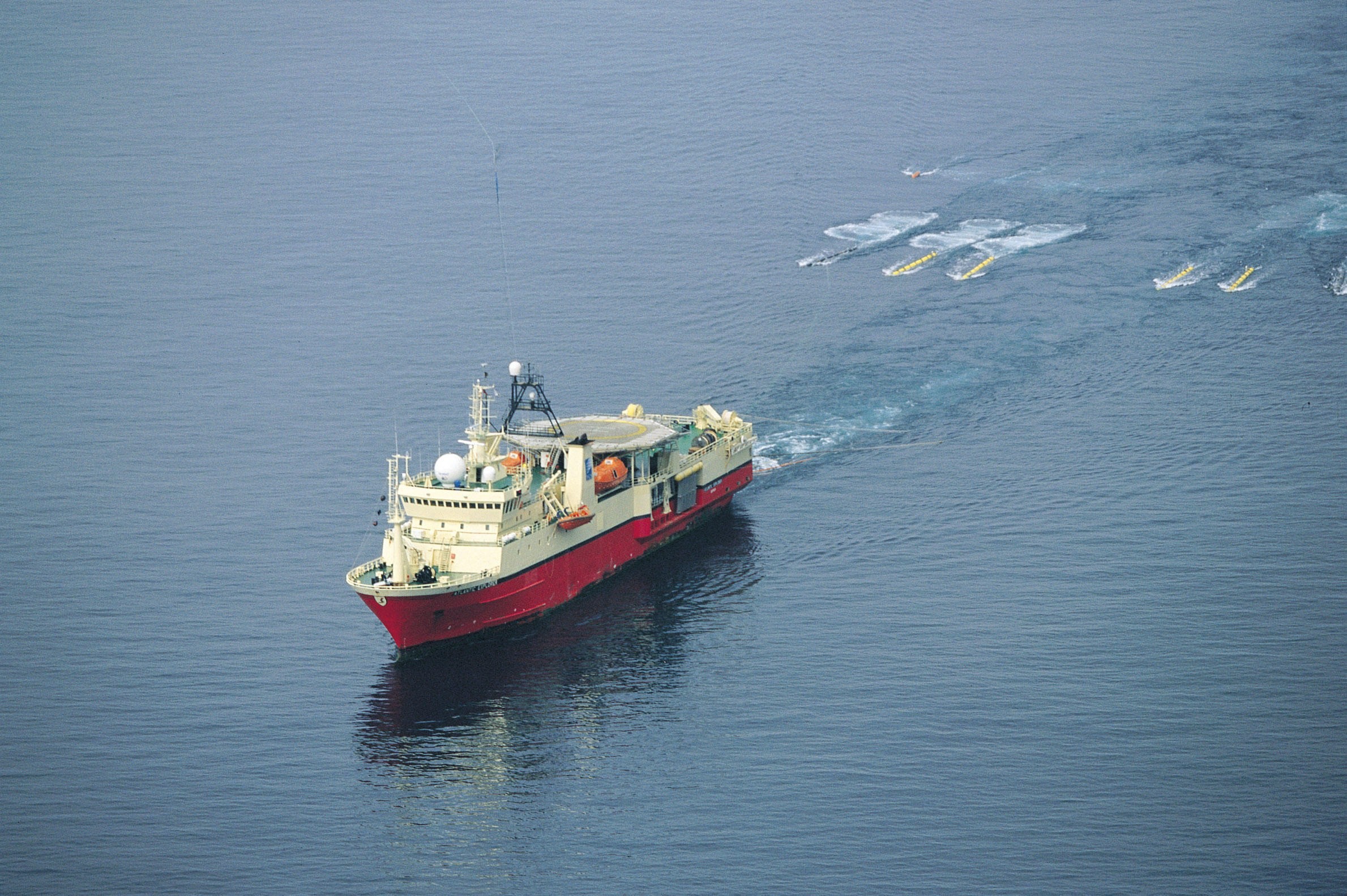
Less than three weeks later, the second announcement took the campaign to another geological level. The well in the SC AP4 sector of C M 477 confirmed the presence of hydrocarbons in deep waters, also through electrical profiles, indications of gas, and fluid sampling.
Here, the strategic weight changes. The area was classified as exploratory frontier, with 70% of the operation by the state-owned company and 30% by bp, in a block originating from the 16th ANP Round.
The two discoveries show new reserves and a long life for Campos
According to Petrobras, Marlim Sul addresses the recomposition of reserves in mature areas, while C M 477 reinforces the same pursuit through a frontier area in partnership with another company. Together, the two fronts indicate a strategy that seeks to extract more value from known assets while simultaneously opening new possibilities within the same basin.
In practice, this returns prominence to the Campos Basin at a time of pressure for reserve replacement. The movement does not yet indicate a new megafield, but it makes clear that the basin has once again become a central piece in the expansion of the production horizon. This is an inference supported by the focus given by the company to the two areas and the role of exploration in the current plan.
Plan 2026 to 2030 allocates US$ 7.1 billion for exploration
The Business Plan 2026 to 2030 allocates US$ 7.1 billion for exploratory activities over the five-year period, with a focus on the southern and southeastern basins. In the same plan, 62% of the exploration and production implementation portfolio remains in the pre-salt, 24% in the post-salt, and 10% in exploration.
At the same time, the company maintains energy transition as part of the same equation. The plan and the institutional sustainability page indicate US$ 13 billion in energy transition and US$ 4.3 billion in decarbonization by 2030.
This design helps explain why the two discoveries are so important. They reinforce the logic of keeping oil and gas as the basis for energy security and cash generation, while the company attempts to finance the expansion of lower-carbon projects without giving up on reserve recomposition. This interpretation is an inference supported by the announced investments and the exploratory focus of the plan.
What is still missing for these findings to turn into accounted reserves
The two announcements are still in the evaluation phase. The official notes mention laboratory analyses and the continuation of the assessment of the area’s potential, but do not provide recoverable volume, declaration of commerciality, or direct impact on proven reserves.
This means that the market already has an important signal, but does not yet have the final dimension of the prize. What exists today is the confirmation of oil in Marlim Sul and hydrocarbons in C M 477, with the company working to understand the quality of the fluids, the size of the reservoir, and the economic viability of each discovery.
In 18 days, Campos delivered two results that reposition the basin at the center of the competition for new reserves. One came from a mature asset with infrastructure and production history. The other emerged in a riskier and deeper area, in partnership.
Together, the findings show that the recomposition of reserves in Brazil involves a combined strategy. The state-owned company tries to extend the lifespan of known areas, open new exploratory fronts, and sustain this progress while increasing investments in energy transition.
Article produced based on official information published by Petrobras.