






 Portuguese
  Spanish


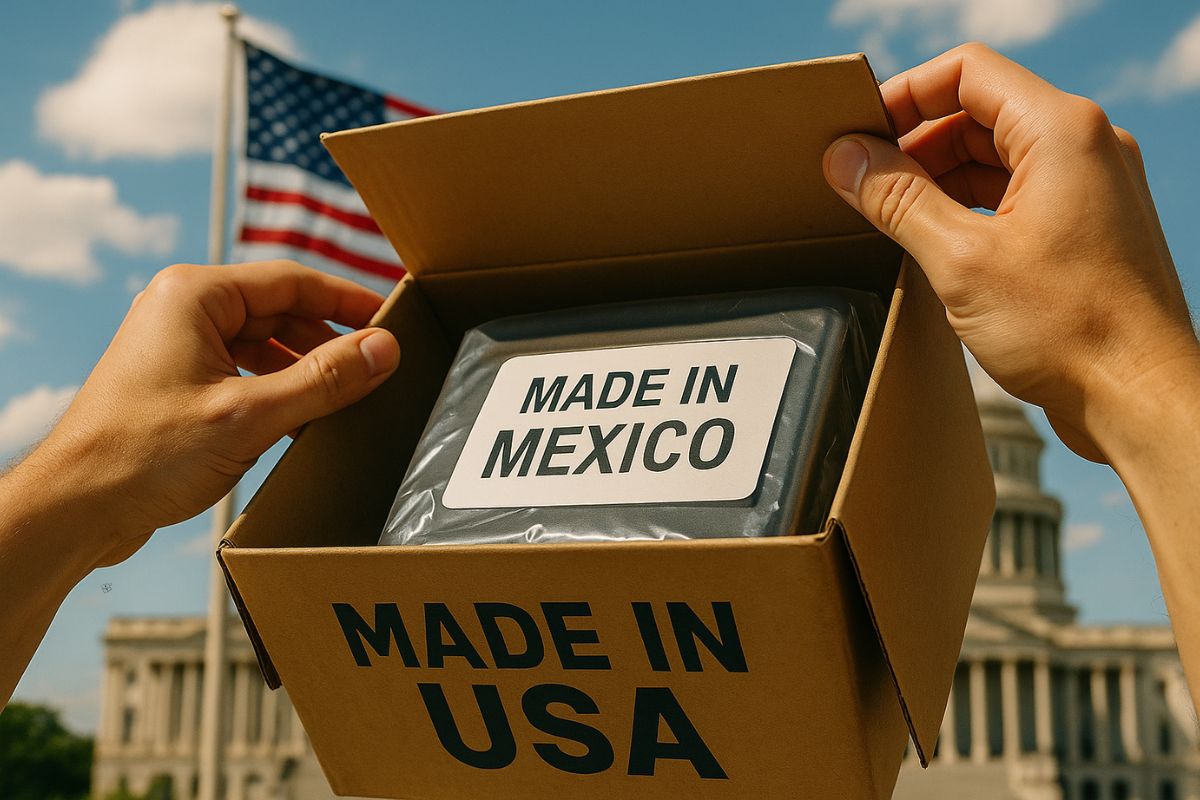


Why Is It So Difficult to Find Products 100% Made in the USA? Globalization and Outsourcing Have Made It Almost Impossible to Manufacture Totally American Goods.
Buying products 100% made in the USA is a challenge even for the most determined consumers. Diana’s story, reported by the Wall Street Journal and translated by Invest News, illustrates this difficulty well: she spent ten years searching for items made only in the United States, and when looking for a refrigerator, discovered that even the seemingly “domestic” models came from Mexico.
This case is not isolated. Even with the resurgence of commercial nationalism in the US during the Trump administration, finding goods truly made in the country remains the exception. Bed sheets, socks, and sofas can still be found relatively easily, but appliances, cell phones, and electronics continue to rely on imports.
Global Supply Chains Hinder Domestic Production
Global supply chains, consolidated over decades, have transformed the American industry. The search for lower costs has led companies to outsource production stages to other countries, creating an interdependent system that is difficult to reverse.
-
Brazil’s 2026 Tax Refund: Record 9.58 Million Filers in Largest Payout Ever, But a Key Detail on Priority Recipients Draws Nationwide Attention

-
Itaú Alters Hybrid Work Model, Increasing Office Days from 2028, Prompting Employees to Adjust to New Routine
-
Facing Labor Shortage, Japan Plans to Invest $34 Million to Attract Foreign Workers in Construction, Healthcare, Industry, and Commerce

-
Brazilian City Makes Remarkable Leap, Becomes 4th Wealthiest in the Country with GDP of R$ 134.1 Billion




According to the Wall Street Journal, manufacturing any good entirely in the USA is nearly unfeasible. By 2024, half of the cars sold in the country were assembled abroad. In the case of smartphones, virtually no model available in the American market is produced locally.
The Weight of Globalization
Globalization, driven by the United States itself, spread the logic that the world is a large interconnected factory. Today, many products are assembled from components coming from dozens of different countries.
This model has allowed for more competitive prices but also reduced self-sufficiency. Reversing this process would entail high costs for companies and consumers. Experts consulted by the Wall Street Journal highlight that, even with tax incentives and higher tariffs, manufacturing domestically would be more expensive and would take years to reach scale.
Limits of Consumer Willingness
A survey of one thousand Americans revealed that half of the respondents purchase products with the “Made in the USA” label somewhat regularly. However, only about 10% would be willing to pay more than 15% above the market value to guarantee this origin.
This resistance to higher prices creates a stalemate: without consistent demand, companies have no incentive to keep the entire production chain within the country, perpetuating dependence on foreign supplies and assembly.
Expectations with New Tariffs
With Donald Trump’s return to the political scene and his promise to increase import tariffs, expectations are that the search for products 100% made in the USA will intensify. However, economists and business owners warn that these measures may paradoxically make these products even rarer, as many essential components are not produced in the country.
The frustration of consumers like Diana shows that, as long as global production remains fragmented, the label “100% made in the USA” will remain more of a symbol of desire than a reality.
And you? Do you believe that the United States can still return to producing 100% of its most important goods? Or do you think that globalization has made this impossible? Leave your opinion and share your vision about the future of American industry.





Trump é **** com tarifaço, vamos evitar comprar MAD produtos EUA
Palnoku do trump. Neste mês, completo 6 meses sem consumir em restaurantes americanos como bk, kfc, McDonald’s, popeyes…