






 Portuguese
  Spanish
  4 min of reading
  0 comments


Vital Routes, Strategic Resources, and a “Bottleneck” in Global Trade Bring the Horn of Africa to the Center of the New Geopolitical Board and a Small Country Can Change the Game
For decades, Africa has been treated as a supplier of raw materials.
Today, the landscape has changed: African countries have real partnership options, and this choice influences trade, security, and power across the planet.
On one hand, China is projecting itself with infrastructure, investment, and economic inclusion.
On the other, the United States prioritizes military power, sanctions, and security guarantees.
This clash of visions is focused on a critical region: the Horn of Africa, through which about 30% of global container traffic passes.
Controlling these waters is gaining leverage over the global economy.
-
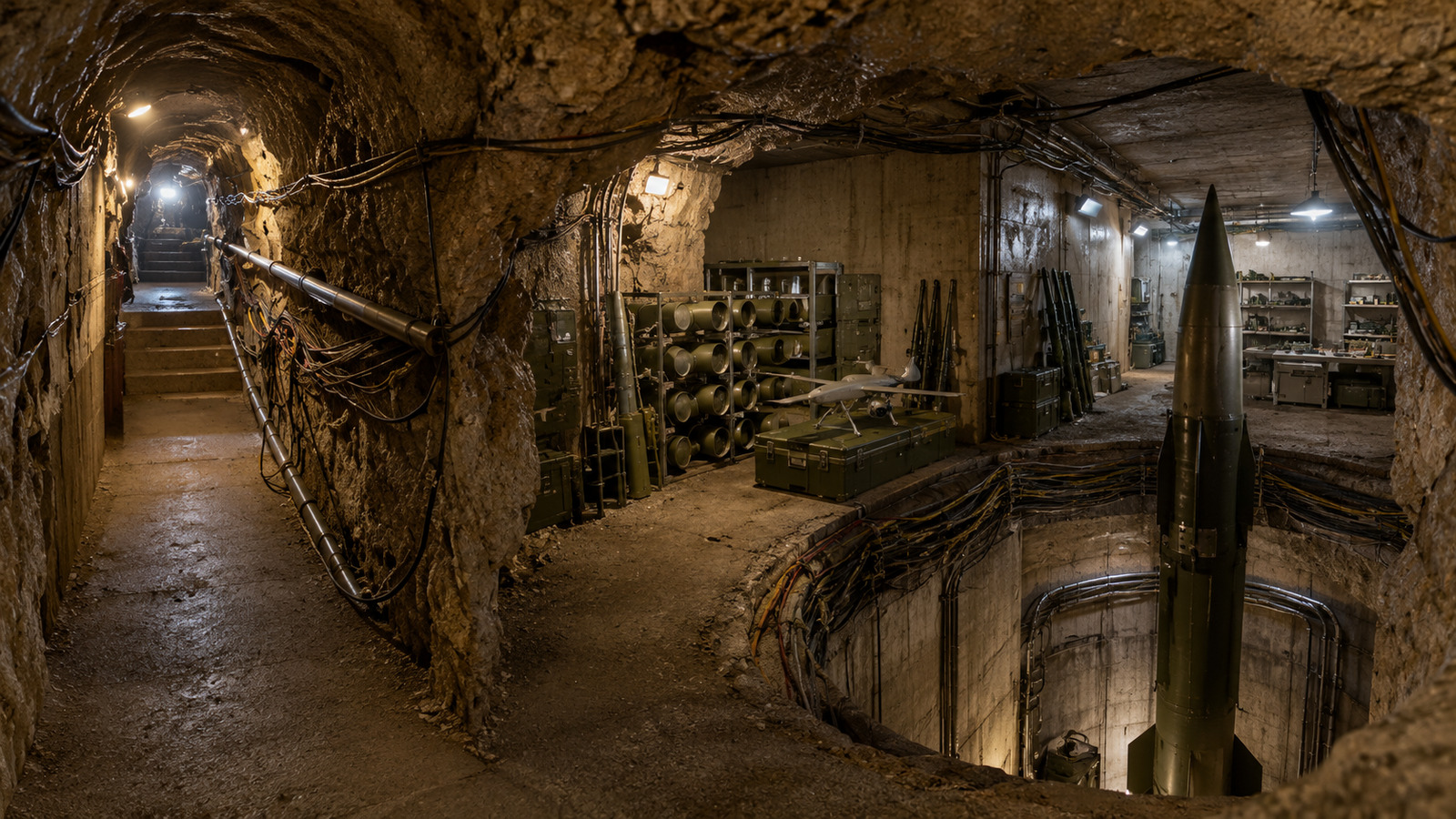
Israel finds Hezbollah militarized tunnel over 200 meters long under village, with 4 missile launch shafts, 12 chambers, anti-tank missiles, drones, and weapons depots at a depth of 25 meters.

-
Ukraine launches largest drone attack on Moscow since 2022, Russia claims to have intercepted nearly 200 aircraft near the capital, Kapotnya refinery targeted again, and offensive reignites alert about war reaching the Russian energy heart just a few kilometers from the Kremlin.

-
Truck drivers, freight, and fines from 2022 take center stage in politics: Chamber approves MP with amnesty, mandatory tracking by CIOT, million-dollar penalties, and new minimum wage for those who spend more than 24 hours on the road.

-
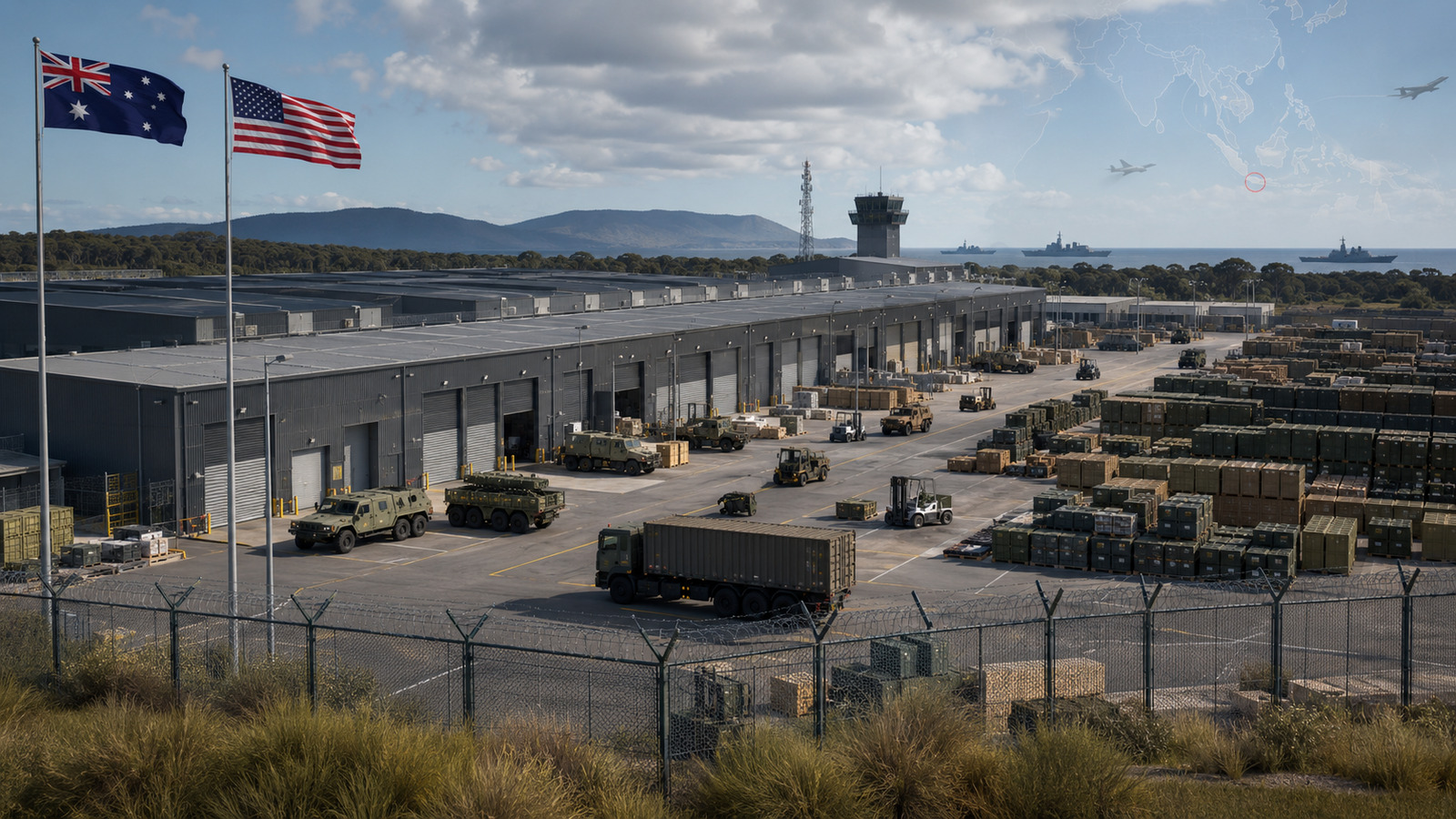
China off the radar: US plans mega $30 million weapons depot in Australia, out of reach of most Chinese missiles, with full capacity expected by 2028


The New Board: Why the Horn of Africa Concentrates the Power of Routes
The Gulf of Aden is a chokepoint in trade between Europe and Asia.
In recent months, the corridor has suffered from attacks and partial blockades related to the war in Gaza, affecting routes and freight.
Along this same route, Chinese ships (including container ships with automobiles) have continued to navigate without significant incidents, often attributed to Beijing’s diplomatic positioning in the region.
The U.S. responded with an extended naval campaign to contain the attacks.
Despite the effort, they have not been able to completely neutralize the threats, and the seas remain tense and costly for those who rely on this passage.
The “Invisible” Country That Became a Key Piece: Djibouti, Neutrality, and Limits of the Model
Djibouti has become a strategic pivot.
Since 2002, the U.S. has maintained a military base there; in 2017, China opened its first overseas base in the same country.
Djibouti attempts pragmatic neutrality: it allows operations against non-state actors but avoids serving as a platform for attacks on recognized forces.
This posture, seen by Washington as an excess of balance, raised alarms and led the U.S. to seek alternatives in the neighborhood.
The Explosive Alternative: The American Bet on Somaliland and the Risks of Recognition
The American gaze has turned to Somaliland, a region with its own government since 1991, without international recognition.
The logic would be to recognize Somaliland in exchange for a naval base on the coast of Berbera, creating a counterbalance to the limitations in Djibouti and Chinese advances.
However, the move would carry a high diplomatic cost:
- Somalia would react strongly, with the rupture of cooperation and access denied to bases and security agreements.
- The tension could spread instability throughout the Horn of Africa and further increase maritime trade costs.
Even so, discussions in U.S. political circles keep the idea alive.
For Somaliland, recognition is existential: it would mean legitimacy after more than three decades of isolation.
The Chinese Plan and Popularity on the Continent: Infrastructure, Trade, and New Global Voice
Meanwhile, China is expanding its presence with ports, railways, and industrial zones (through the Belt and Road Initiative).
More African countries are diversifying their currencies of exchange and reducing dependence on the dollar, while Beijing is pushing for reforms in the international system that amplify the voice of the Global South.
Opinion surveys cited in the content indicate favorable perceptions of China in various parts of Africa—not only among elites but among the general population.
For Washington, this is a structural problem: infrastructure and trade speak loudly where military bases have little social appeal.
The Chessboard of the Straits: Routes, Costs, and the “Time” Factor
The dispute is not just geopolitical: it is logistical and economic.
When a strait becomes unstable, insurance skyrockets, routes divert, and entire supply chains are delayed, from food to cars and fuel.
In the short term, whoever ensures safe passage gains power.
In the long term, whoever finances ports, roads, and railway connections gains economic dependence and political influence.
In the middle of this board, a small country with a well-positioned port and a government willing to negotiate can set the course for a decade of global trade.
What Is at Stake for Brazil: Price, Time, and Predictability
When freight rates rise and routes delay, the final price arrives higher and later on the shelf.
If the Horn of Africa corridor remains pressured, the world pays: energy, grains, fertilizers, parts, and even cars suffer from costs and timelines.
For Brazil, a major exporter and importer, the stability of these routes matters greatly.
Fewer bottlenecks and more predictability mean viable contracts, reliable stocks, and less volatile prices.
In your opinion, how will this impact prices and timelines here in Brazil?
Leave your thoughts in the comments.





Be the first to react!