






 Portuguese
  Spanish
  3 min of reading
  0 comments


Honda N-One, An Authentic Japanese Kei Car That Is Successful in Its Country, but, Much to the Sorrow of Many Enthusiasts, Is Not Sold in Brazil.
Imagine a compact, fun car with an irresistible retro design and an intelligence that makes it perfect for big cities. This is the description of the Honda N-One.
The fascination with this remarkable little car, with its 600 cc turbocharged engine and unique design, raises the question: what prevents this gem of Japanese engineering from arriving here?
Honda N-One: What Is a Japanese Kei Car and Why Does It Capture Japan?
To understand why the Honda N-One is so special, one must grasp the concept of Japanese Kei Car. “Kei Car” is a category of ultra-compact vehicles created in Japan to meet fiscal and space regulations, offering benefits such as reduced taxes and ease of parking in densely populated cities.
-
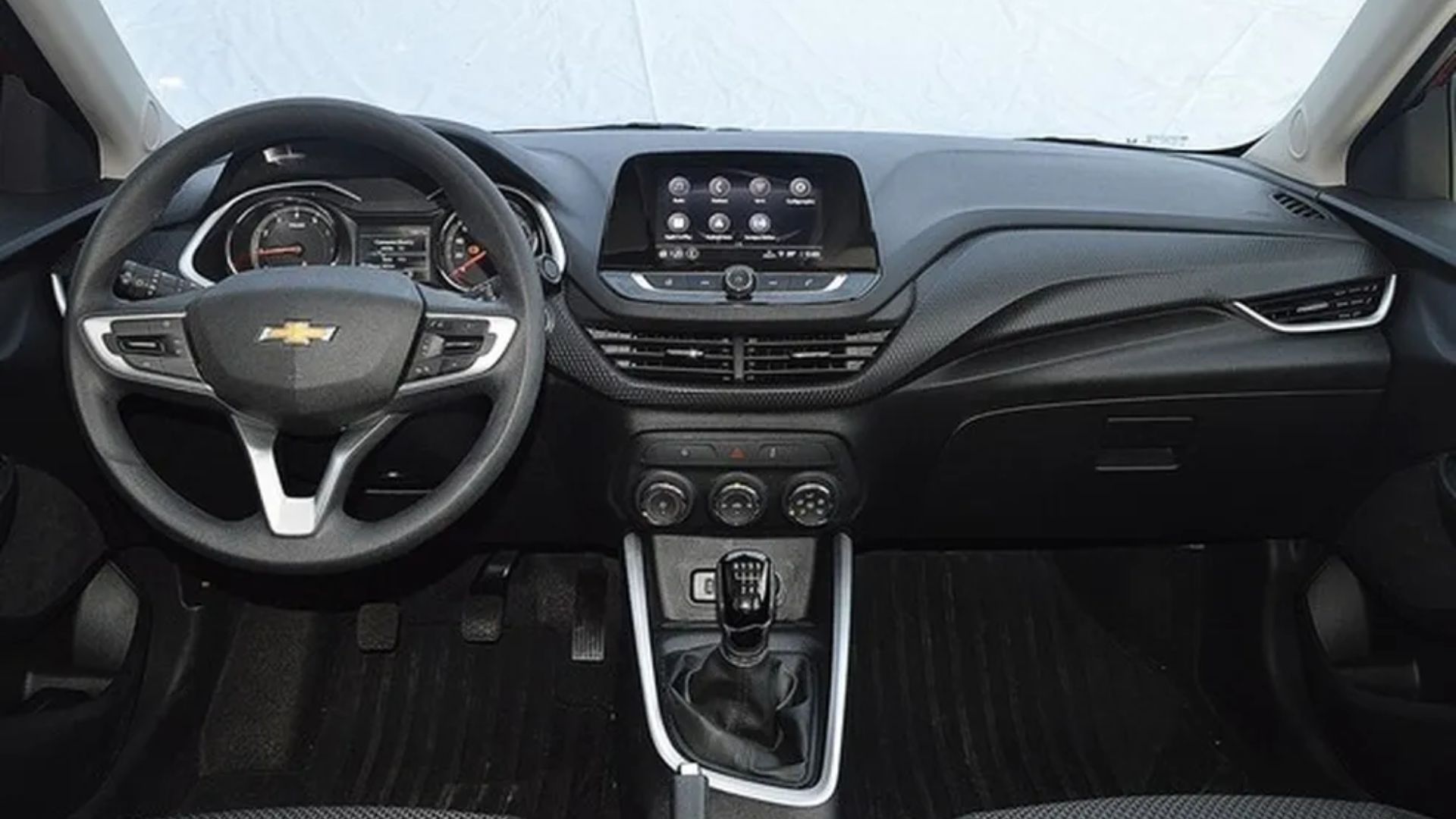
Chevrolet Onix leads the efficiency ranking among flex-fuel cars by Inmetro, achieves almost 18 km/l, and costs less than R$ 100,000.

-
Non-alcoholic beer is not always 0.0%: the drink can appear on the breathalyzer, result in a fine of R$ 2,934.70, suspend the driver’s license for 12 months, and even lead the vehicle to be impounded.

-
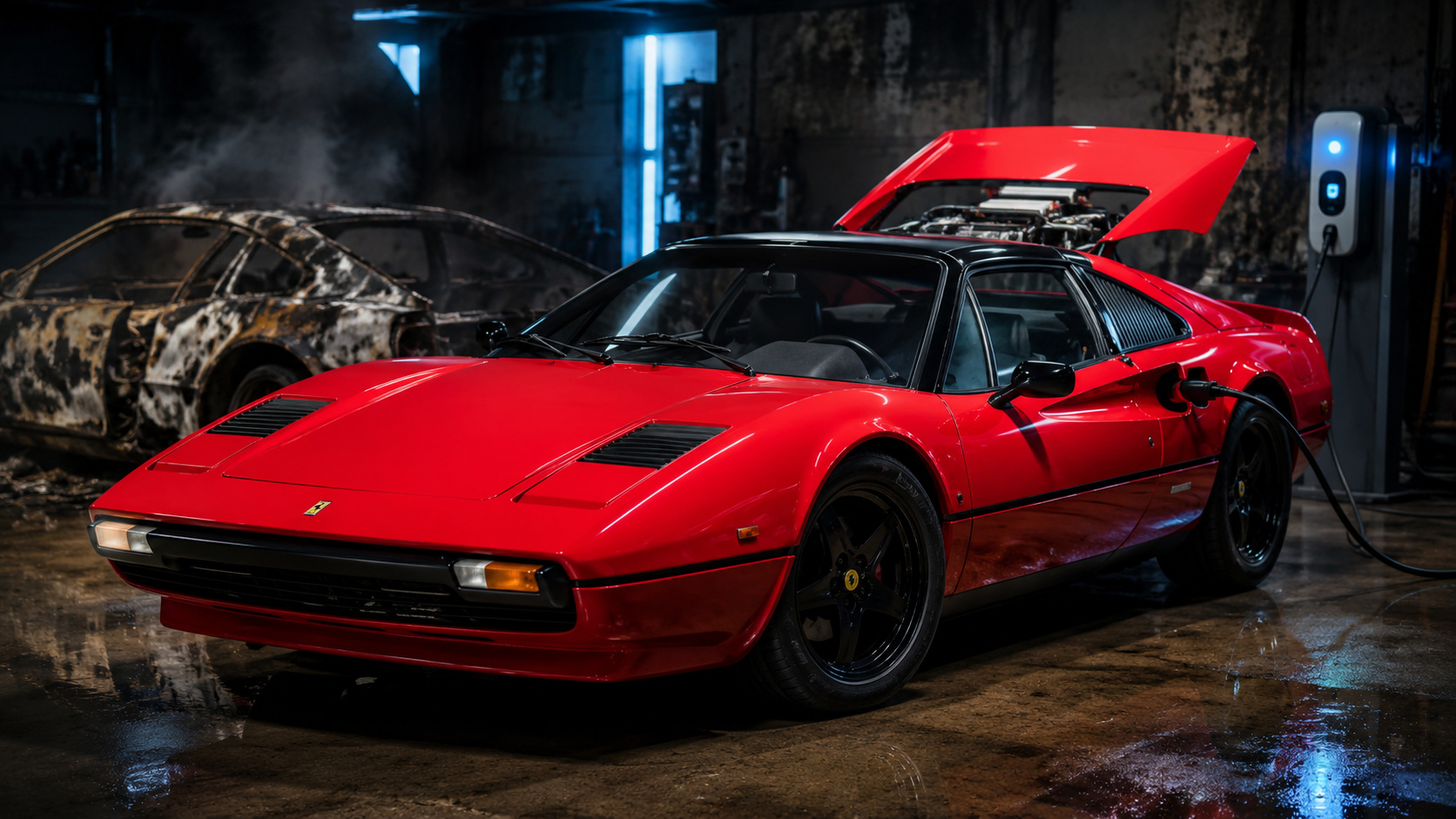
A burned Ferrari seemed destined for scrap, until a company removed the V8 engine, installed three electric motors, and transformed the old sports car into the 308 GTE with a 47 kWh battery.
-
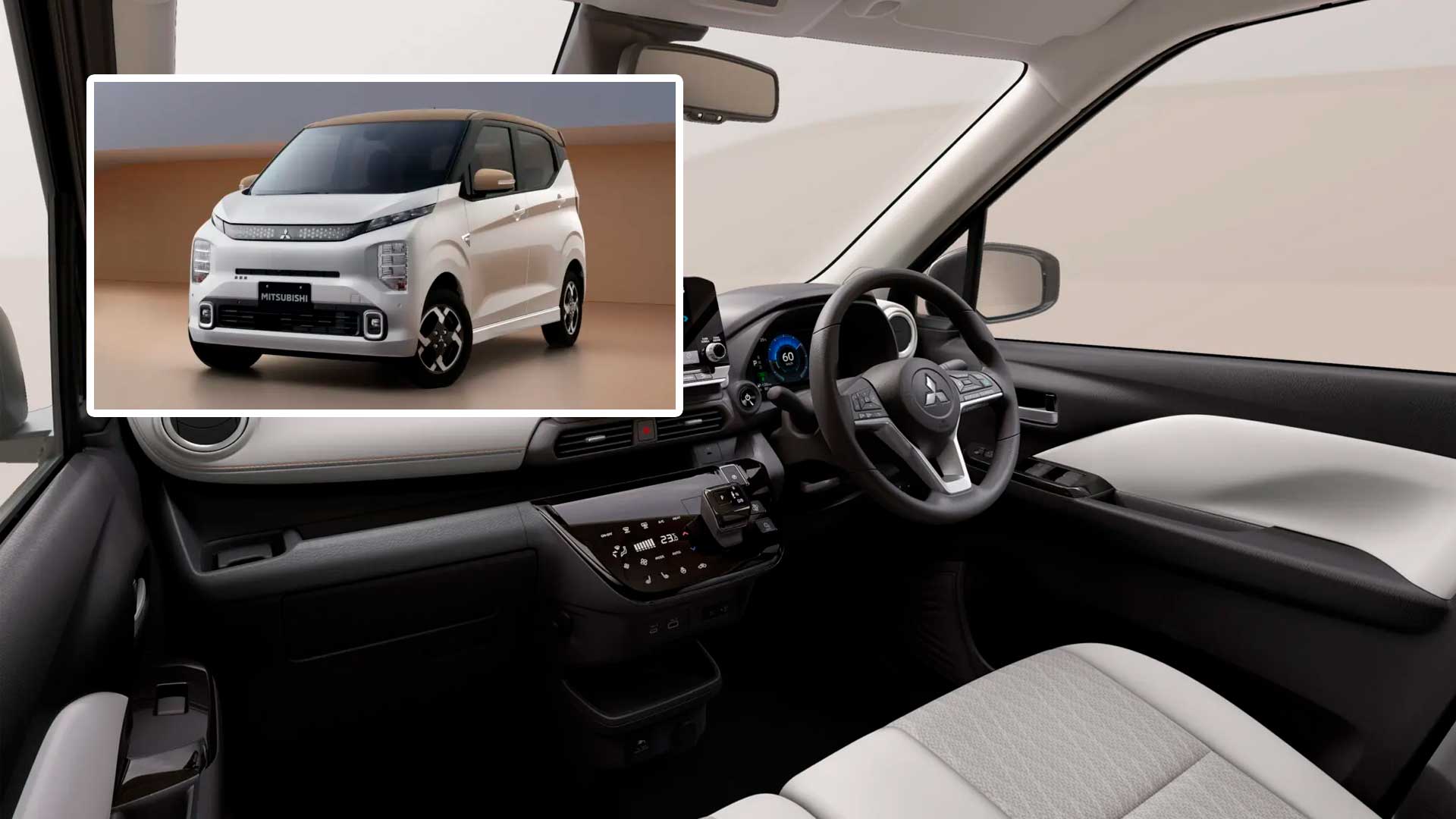
Smaller than a Kwid and priced at around R$ 60,000, the Mitsubishi eK Cross EV features a 1,500 W outlet, 180 km range, and becomes a sort of power bank on wheels in Japan.

They are limited in dimensions (length, width, and height) and, crucially, in engine displacement.
The Honda N-One fits this definition perfectly. It was designed to maximize interior space within its compact dimensions, without sacrificing comfort and safety.
Its design is one of its major attractions, reminiscent of classic models from the brand, with rounded lines and a retro charm that sets it apart in traffic. This “cute” and functional aesthetic, combined with practicality, makes it an ideal car for Japanese urban life, where narrow streets and limited parking spaces are the norm.
The Heart of the Miniature Beast: 600 cc Turbocharged Engine and Its Details
Behind its friendly design, the Honda N-One hides a surprisingly efficient engine. It is equipped with a 600 cc turbocharged engine, which, though small in displacement, can deliver agile performance for its size.
The exact power may vary slightly between versions, but it generally hovers around 64 horsepower – the limit allowed for Kei Cars in Japan.
This turbo engine not only ensures that the N-One is economical in terms of fuel consumption but also provides the necessary torque for quick starts and enjoyable driving at urban speeds.
In some configurations, the Honda N-One can even come with all-wheel drive, a feature that enhances safety and the ability to tackle different road conditions, a luxury for a car of its size. It proves that a 600 cc turbocharged engine can offer more than expected.
Why Isn’t It Sold in Brazil? The Dilemma of the Honda N-One
The question “Why doesn’t the Honda N-One sell in Brazil?” has multiple answers, involving regulatory, market, and strategic aspects from Honda.
- Regulations and Dimensions: Brazilian legislation does not have a specific category for Kei Cars with tax incentives, as in Japan. This means that the Honda N-One would compete directly with larger and more powerful compact cars sold here, without the tax benefits that make it attractive in its home country.
Its ultra-compact dimensions, ideal for Japan, may be seen as a limiting factor for space and versatility for Brazilian consumers, who generally prefer cars with more trunk and interior space.
- Adaptation and Costs: Bringing a vehicle from Japan to the Brazilian market would require a series of adaptations to meet local safety and emission standards, plus costs for homologation and logistics. These costs, combined with lower production volumes for Brazil (compared to the Japanese market), would make the final price of the Honda N-One less competitive against established national models.
- Portfolio Strategy: Honda already has a well-established line of compact vehicles in Brazil, such as the City and the HR-V, that meet local demand. Introducing a Japanese Kei Car like the N-One could cannibalize sales of other brand models or simply not find a sufficiently large market niche to justify the investment.
Although the Honda N-One remains a coveted object for its captivating design and 600 cc turbocharged engine, the reality of the Brazilian automotive market and the particularities of Japanese Kei Cars explain why, unfortunately, this small gem of Japanese engineering is not sold in Brazil.
For now, admirers can only follow its journey in Japan and dream of a future scenario where it might finally roam our streets.






-

-

4 people reacted to this.