Portuguese
  Spanish




Luxury Or Popular Sedans, None Have Rear Wipers. Is It Cost-Cutting or Strategy? Science Explains
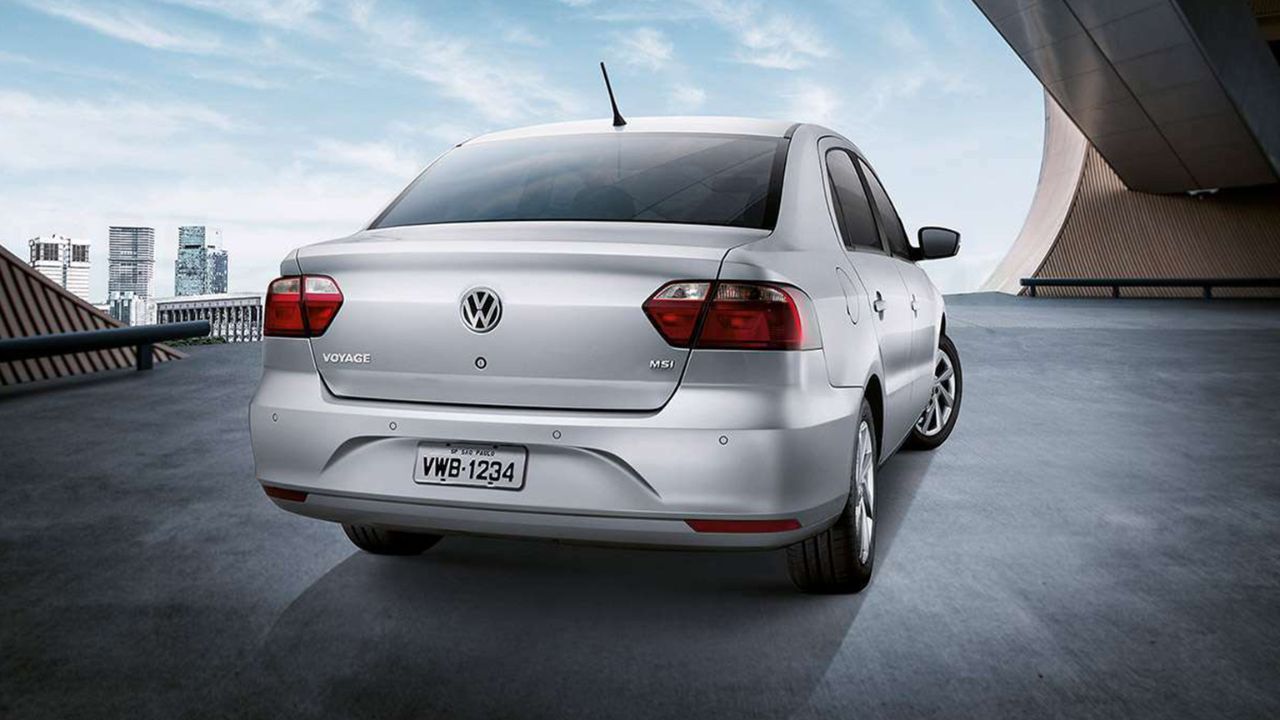
If you have ever driven a sedan on a rainy day, you may have wondered: why these cars don’t have a rear windshield wiper? While SUVs, hatchbacks, and even some compact models come equipped with this item, sedans — even the more sophisticated ones — usually leave this piece out. But this absence is neither an oversight by manufacturers nor a hidden cost-cutting measure. The answer lies in aerodynamics, engineering, and even the market design of these vehicles.
It may seem like just an aesthetic detail, but the explanation for this choice goes far beyond appearance. It’s a technical decision based on airflow behavior, body design, and project priorities for this type of automobile. And believe it or not, there’s science behind all of this.
Aerodynamics: Air Does the Work Alone
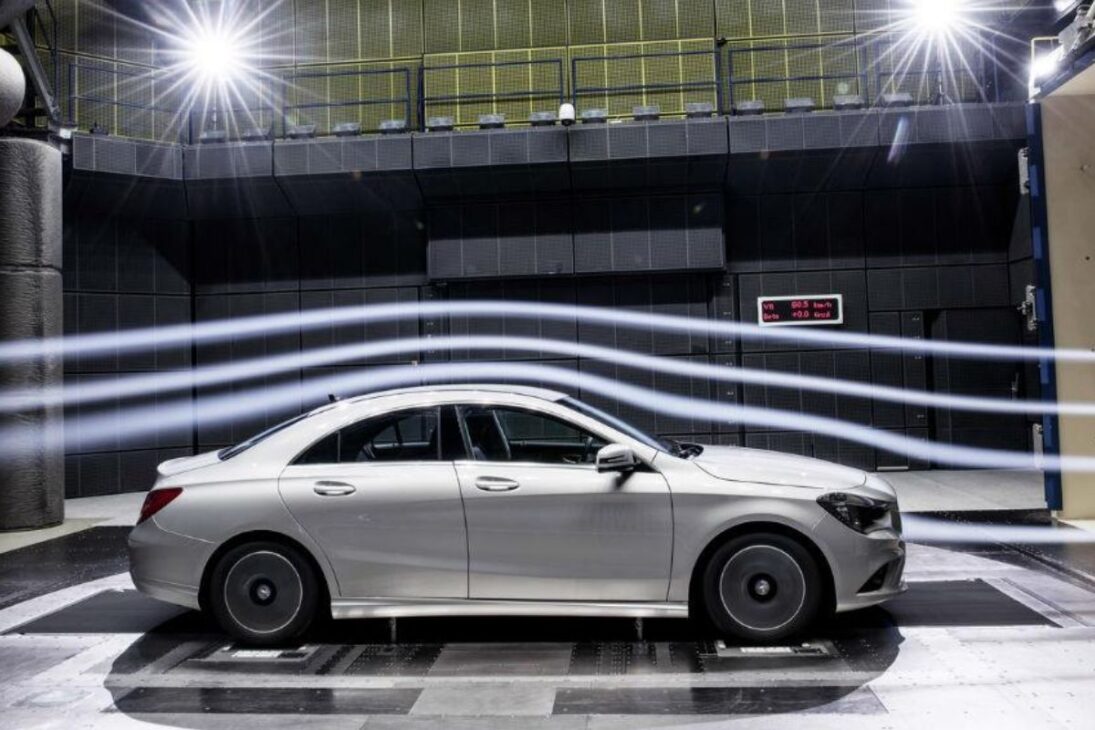
The main reason why sedans do without the rear wiper is the airflow generated by their structure. The body shape of these cars — with a smoother and elongated slope at the rear — creates an aerodynamic flow that pushes water and dirt away from the glass. In other words, instead of accumulating raindrops, as happens in cars with flat backs, the rear windshield of the sedan ends up “cleaning” itself while the car is in motion.
-
Kia K4 Launches in Portugal with 7-Year Warranty, Targets Volkswagen Golf with 1.0 Turbo Engine, Unavailable in Brazil

-
Uber Women Expands Across Brazil: Female Riders Can Now Choose Women Drivers, Schedule Rides, and Set Automatic Preferences

-
Brazil Plans to Launch Ethanol-Fueled Hybrid Cars in 2026 as an Alternative to Fully Electric Vehicles

-
Hyundai HB20S 2026 Surpasses Onix with Turbo Engine, Fuel Efficiency of 15.2 km/l, and Over 750 km Range, Leading Compact Sedan Sales in Brazil with 5,205 Units Sold.


This characteristic has been confirmed in several automotive engineering studies. According to industry experts, such as those from SAE International, aerodynamic design directly influences the natural cleaning efficiency of the rear windshield at medium and high speeds. This explains why, even on rainy days, visibility in the rearview mirror is usually sufficient in sedans — without the need for mechanical intervention.
Engineering and Design: Everything Has a Cost
Besides aerodynamics, there is a practical obstacle: the sedan’s structure does not facilitate the installation of a rear wiper. Unlike hatchbacks, where the rear glass usually forms part of the trunk lid, sedans have a separate compartment. This would require a more complex design and an independent mechanism to operate the wiper — something that would make the car more expensive and increase the risk of compromising interior space or the vehicle’s aesthetics.
According to engineers at Bosch Mobility Solutions, the development of wiper systems is always integrated into the vehicle design, and including a rear wiper in a body that wasn’t designed for it involves more than just attaching a rod with a motor.
Aesthetics: Less Is More
The appearance of sedans also plays a role in this equation. These cars are designed to offer a more elegant and fluid look, with clean and sophisticated lines. Adding a rear wiper could disrupt that harmony, creating a visual break in one of the most valued aspects by buyers: design.
That’s why, even among premium models like the Toyota Corolla or Honda Civic, you will rarely find this type of equipment. The priority in these cases is to maintain visual appeal and not compromise aesthetics with exposed mechanical elements.
The Exceptions Confirm the Rule
Of course, there are exceptions — and they help to better understand the logic behind this choice. A good example is the Mitsubishi Lancer Evolution, a sports sedan that featured a rear wiper in some versions. This is due to the car being aimed at markets with more extreme climates, such as regions where there is snow or constant fog. In these cases, rear visibility can be dangerously compromised, justifying the use of a wiper as a safety item.
The same applies to some models sold in Europe and Japan, where specific legislation or climatic characteristics require this type of equipment. But these are carefully designed exceptions — not the industry standard.
In Summary: It’s Not an Omission, It’s a Choice
So, the next time you notice that your sedan doesn’t have a rear wiper, know that this is not a design error, much less a cost-cutting measure by the manufacturer. It’s a technical, aesthetic, and functional decision, based on how the car interacts with the air and how it is used in daily life.
The curious thing is that this almost invisible detail says a lot about the intelligence behind the construction of an automobile. When everything works as it should — including the natural cleaning of the rear windshield — you don’t even notice that something “is missing.”