






 Portuguese
  Spanish


Fiat Toro maintains leadership in the mid-size pickup segment, but Toyota, Volkswagen, Renault, and BYD will launch hybrid and innovative models by 2028 that promise to directly challenge its dominance in the Brazilian market.
The Fiat Toro dominates the mid-size pickup segment in Brazil, positioned between compact and heavy models. However, its leadership faces a major challenge with four global giants preparing competing vehicles by early 2028.
Toyota, Volkswagen, Renault, and BYD are developing various models directly for the Brazilian market. This competitive surge threatens the absolute dominance that the Italian brand currently holds with its best-selling vehicle in the country.
New rivals for the Fiat Toro
Toyota is developing the “Project 150D,” based on the Corolla’s TNGA platform. This model introduces the first flex plug-in hybrid engine in Brazil. It uses a 2.5L Atkinson unit derived from the RAV4 Plug-in Hybrid system.
-
Thinking of Installing LED Headlights? Why Replacing Halogen Bulbs is Still Banned, the Glare Risks Authorities Worry About, and How a New Proposal Could Allow Certified, Safe Installations

-
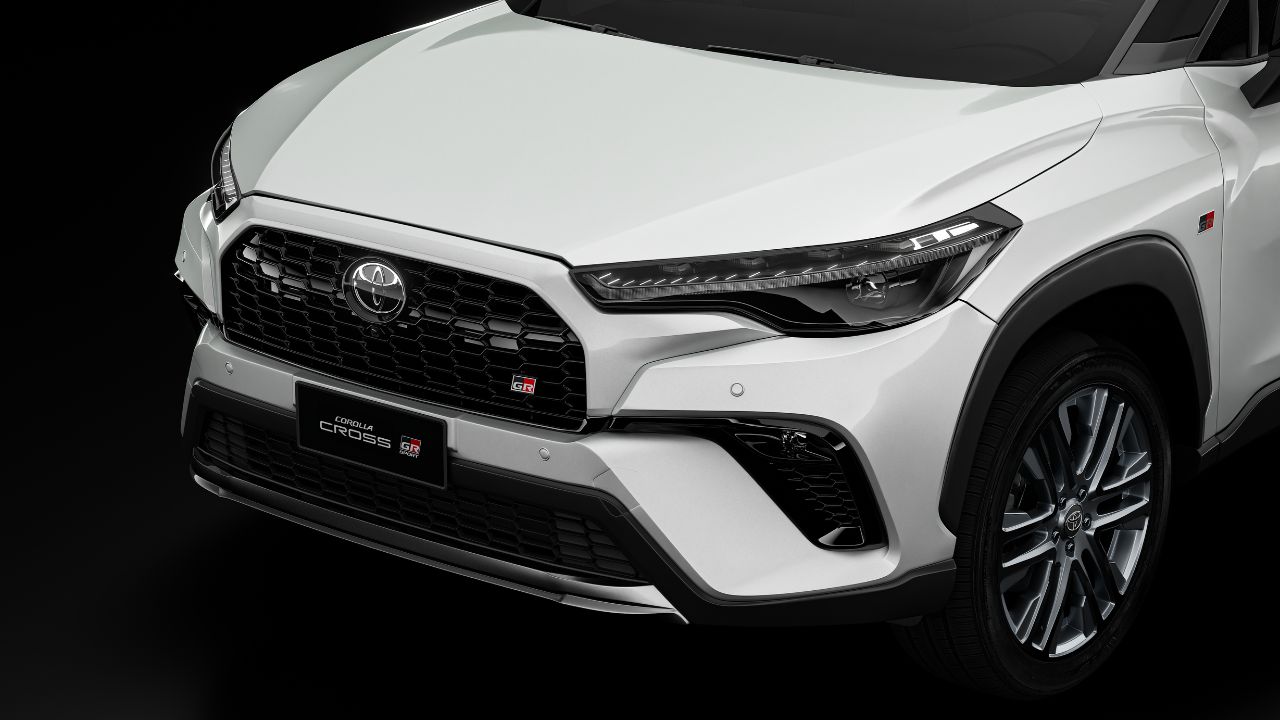
2027 Toyota Corolla Cross Unveiled: New Design, Enhanced Fuel Efficiency, Reduced Maintenance Costs, Advanced Technology, Connected Services, and Up to 10-Year Warranty

-
Fiat Cronos Precision 2018: Affordable Sedan with Spacious Trunk and Reliable Maintenance
-
Volkswagen to Cut Production by 1 Million Cars by 2030, Reducing Jobs and Platforms, Focusing on More Profitable Models




Volkswagen will present the Tukan at the 2026 World Cup. Manufactured in Paraná, the vehicle uses a 1.5L turbo mild hybrid system. It evolves from the Tarok concept and shares elements with the Tera to reduce prices.
Renault plans the Niagara with a refined positioning. Using the RGMP platform, the model maintains exactly three meters of wheelbase. Its mechanics include a 1.3L turbo engine and dual-clutch transmission, with future hybridization possibilities.
The BYD Mako focuses on the Latin American market. It uses the 1.5L aspirated plug-in hybrid mechanics of the Song Pro SUV. Its dimensions are strategically located between the Chevrolet Montana and the current Fiat Toro pickup.
These four competitors represent a massive bombardment against one of the most successful vehicles in the country. The coming years will determine if the Italian automaker Fiat will maintain its dominance through quality, efficiency, and market strength.
Renault is repositioning its current lineup to accommodate the new arrival. While the Oroch will be directed at fleet operators, the Niagara will use the SUV Boreal base to offer sophistication to Brazilian private buyers.
The Volkswagen Tukan has already been spotted in road tests with camouflage. This project remained frozen during the pandemic but is now confirmed. The goal is to offer a competitive price while maintaining advanced hybrid technology features.
Toyota’s “Project 150D” brings significant technological change for the Japanese brand. By combining flex fuel with plug-in hybrid technology, the company aims to offer a unique mechanical set internally called PHEV-FFV.
With the arrival of 2028, the mid-size pickup segment will undergo a complete transformation. The market awaits Fiat Toro’s response. This will depend on how each manufacturer balances performance, price, technical innovation, efficiency, and current market strength.


