Portuguese
  Spanish


Study Shows Why Electric Vehicles Have Not Yet Taken Off in Brazil. Lack of Infrastructure, Battery Costs, and Regulatory Barriers Delay the Transition.
Despite being the eighth largest car producer in the world and the fourth largest consumer market, Brazil has not yet managed to transform this industrial weight into leadership in electromobility. In 2024, less than 7% of licensed vehicles in the country were electric, a percentage well below nations that have already consolidated robust policies for the sector.
This delay worries experts because it may push Brazil out of the global race for sustainable technologies. While countries like China, Germany, and the United States accelerate investments, the Brazilian market still grapples with doubts, structural barriers, and a lack of integrated planning.
Study Points to Eight Obstacles for Electric Vehicles in Brazil
A survey by Thymos Energia analyzed the national scenario and compared international experiences. The study mapped eight major barriers that hinder the expansion of electric mobility in the country:
-
Chery Offers Lifetime Battery Warranty and Car Replacement for Major Failures Under New Chinese Regulations

-
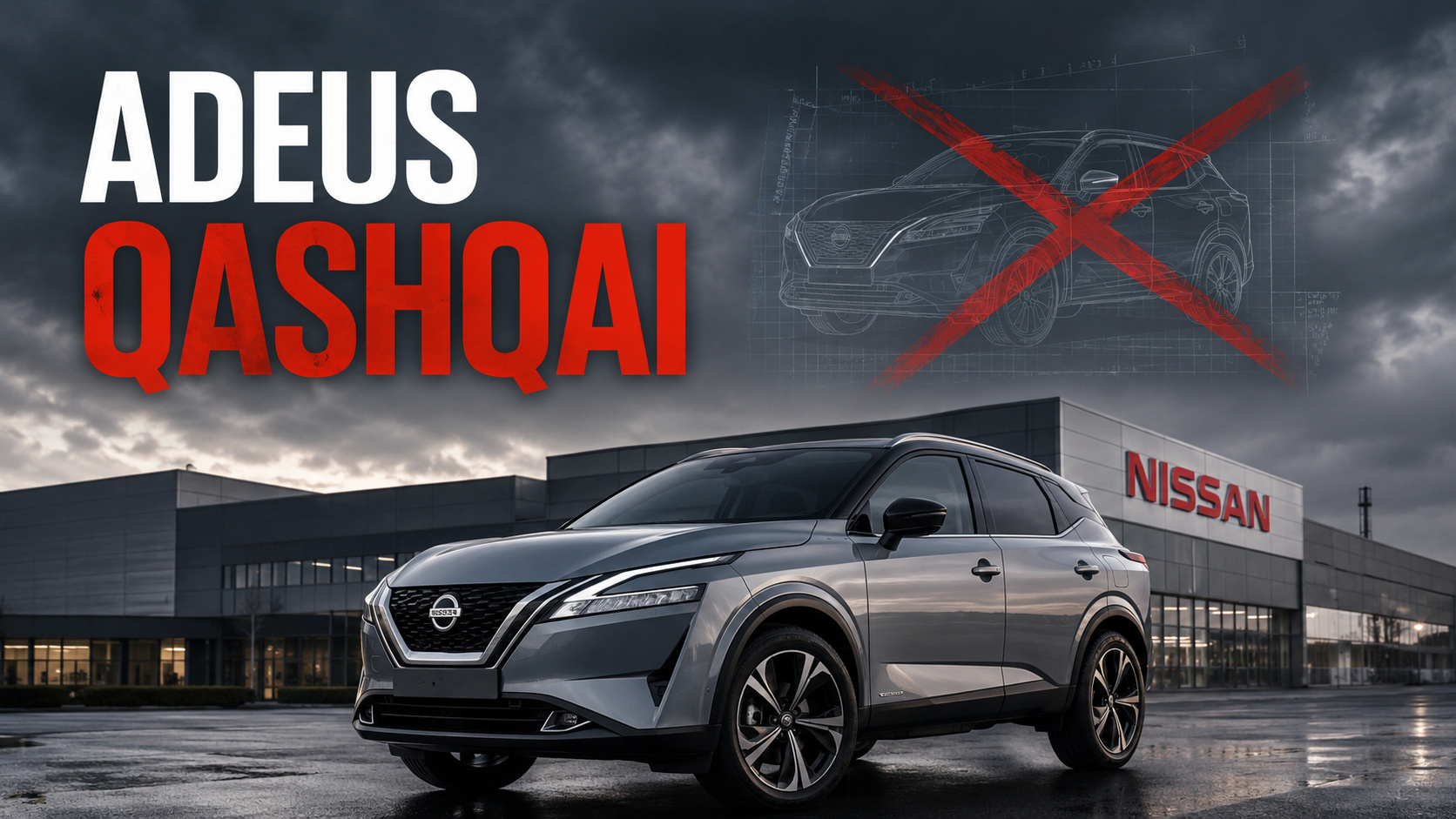
Nissan Discontinues Qashqai SUV Amid Cost-Cutting, Chinese Competition, and Product Line Review
-
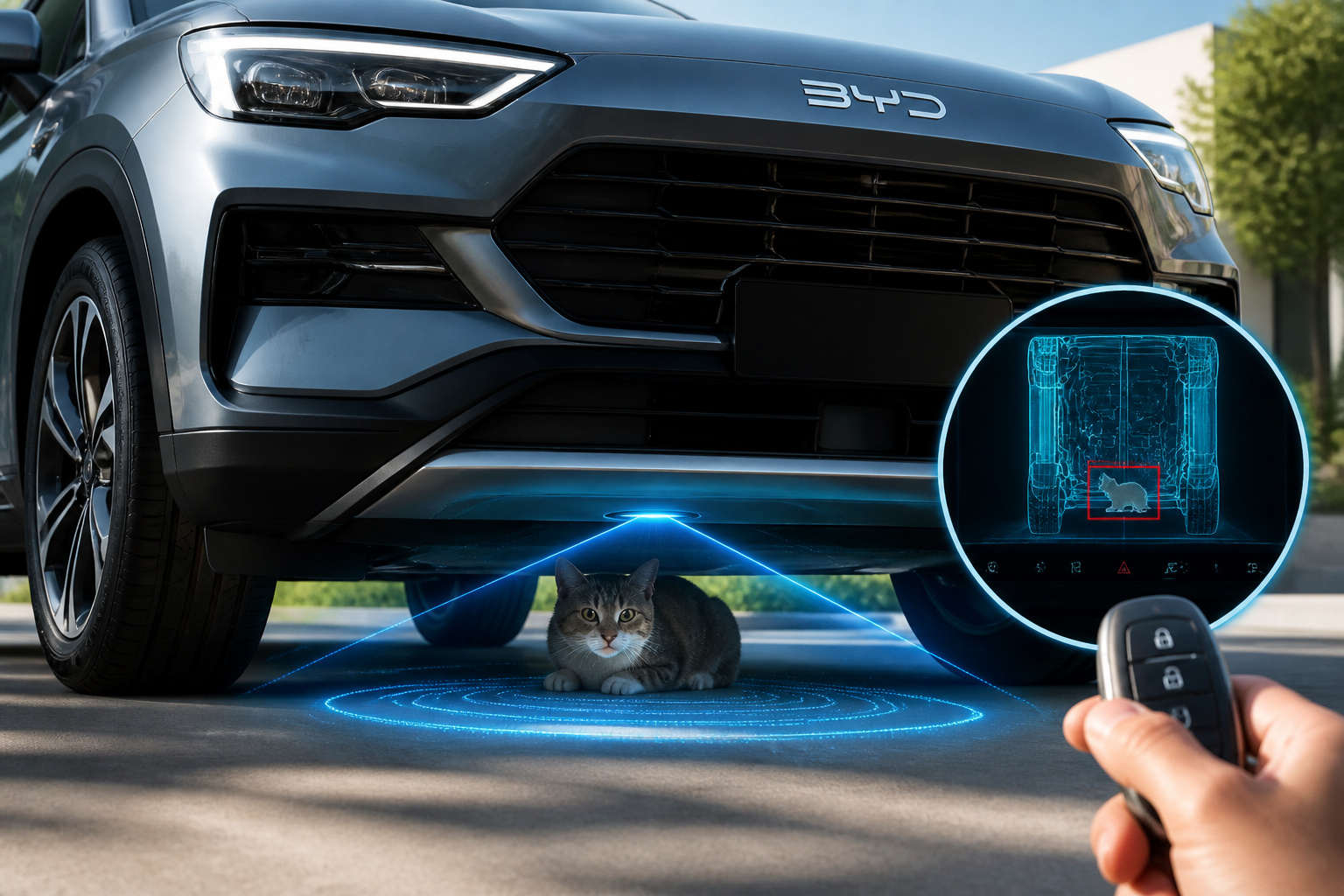
BYD Patents Revolutionary System Using Computer Vision to Detect Animals Under Cars Before Starting, Preventing Tragedies

-
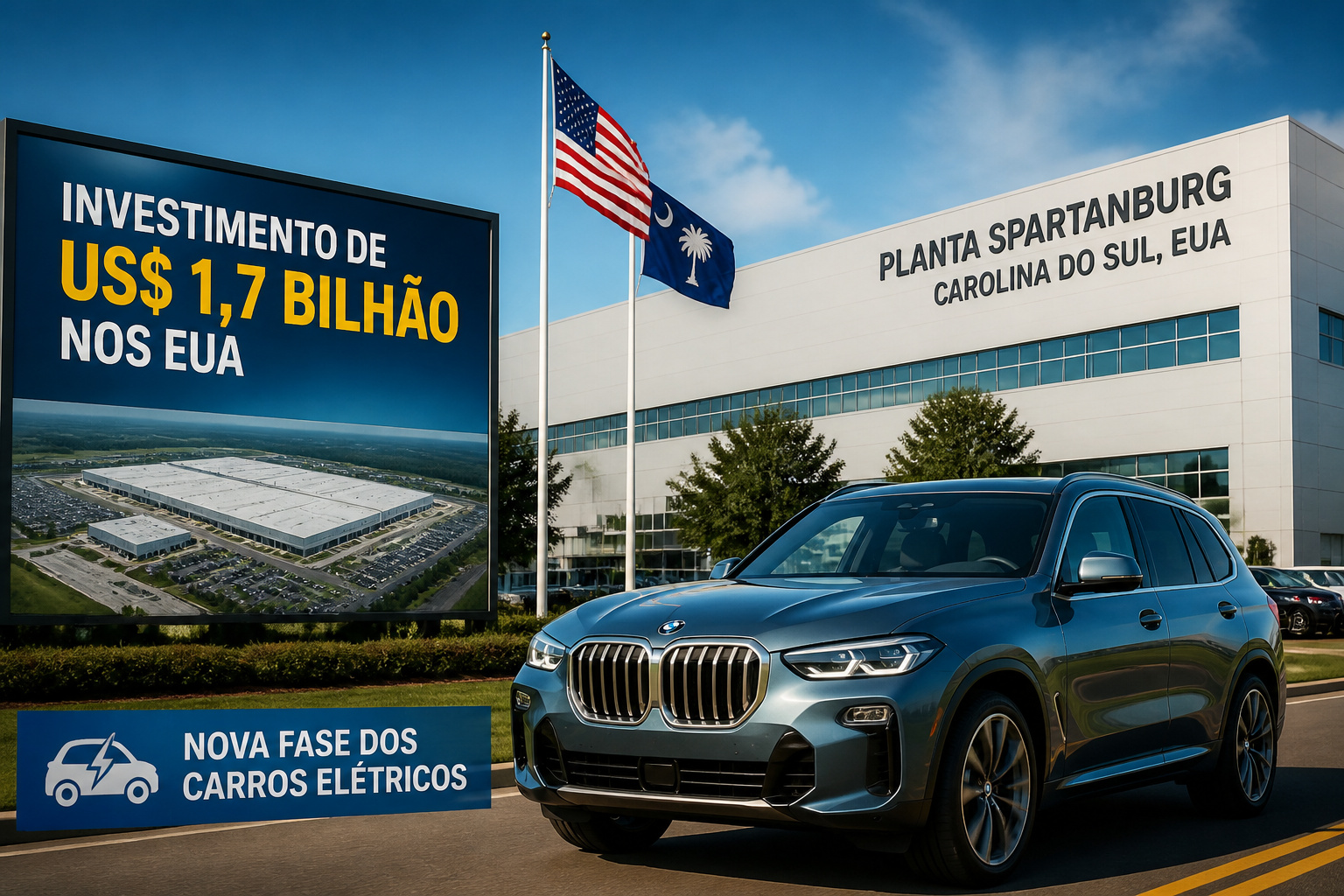
BMW Completes $1.7 Billion Investment in the U.S. for Electric Vehicle Production, Positions South Carolina for New Generation as Rivals Reassess EV Race
- Insufficient and poorly distributed charging infrastructure;
- Long charging times and low autonomy;
- Limited availability of models in the Brazilian market;
- Absence of a local battery production chain;
- Low durability of current batteries;
- High costs of vehicles and energy storage;
- Deficit of skilled labor in maintenance;
- Lack of research and development in the national territory.
According to Luiz Vianna, COO of Thymos Energia, overcoming these barriers does not depend solely on the automotive industry. “Planning, integration, and coordinated investments from multiple stakeholders, such as public authorities, energy companies, and consumers, are essential,” he emphasizes.
The Risk of the “Valley of Disillusionment”
According to the Hype Cycle of the Gartner Institute, which maps the development of emerging technologies, electric vehicles in Brazil are about to enter the so-called “Valley of Disillusionment.” This phase marks the moment when initial enthusiasm gives way to real difficulties, such as high costs and technical limitations.
The technology cycle goes through five stages:
- Innovation Trigger, when the novelty sparks interest;
- Pinnacle of Inflated Expectations, where there is optimism and intense coverage;
- Valley of Disillusionment, when limitations emerge;
- Slope of Enlightenment, marked by gradual evolution and adjustments;
- Plateau of Productivity, stage in which the technology is widely adopted.
Experts believe Brazil needs to act quickly to avoid getting stuck in this third phase and losing competitiveness in the sector.
Regulatory and Economic Challenges
In addition to technical issues, Thymos’s study highlights regulatory deficiencies. “The traditional methodologies for remunerating distributors no longer meet the new demands imposed by electromobility,” Vianna points out.
The Brazilian tariff model still does not account for realities such as charging at specific times or integrating vehicles into the electricity grid. Without regulatory adjustments, the expansion of electric vehicles will remain limited, even if consumers want to adopt the technology.
In economic terms, high costs are another hindrance. Expensive batteries and vehicles with high prices make popularization difficult. The absence of consistent incentives for consumers also limits the pace of expansion.
Behavior Change and “Range Anxiety”
The study shows that the challenge is not only structural. There are also behavioral barriers. Many drivers still feel the so-called “range anxiety” — the constant concern of not finding available charging points during trips.
The cultural preference for combustion engines, combined with the fear of changing habits, reinforces resistance to electromobility. This psychological factor carries significant weight and requires awareness campaigns, along with public policies that offer security and predictability to consumers.
Public Transport as a Strategic Alternative
While individual mobility progresses slowly, public transport is already beginning to experience electric solutions. Today, Brazil has approximately 1,000 electric buses in operation in 18 municipalities, which represents less than 1% of the national fleet.
São Paulo leads this movement with 841 units in circulation, but this is still little compared to the country’s potential. In the global scenario, the comparison is striking: in 2023, nearly 50,000 electric buses were sold worldwide, raising the total to 635,000 vehicles, of which 60% are in China.
The Environmental Paradox and the Battery Challenge
Another point raised by the study is the environmental paradox of electric mobility. Although vehicles are less polluting during use, the disposal of lithium-ion batteries generates a growing challenge.
Brazil still lacks a robust recycling chain capable of reusing materials and reducing environmental impacts. For Victor Ribeiro, strategic consultant at Thymos, “electromobility is not just a market trend. It is a central part of an energy transition that requires integrated planning, modern regulation, and an environmental vision.”
Paths to the Future of Electromobility in Brazil
To avoid missing the “timing” of electromobility, the study proposes an integrated roadmap with short, medium, and long-term measures. Among the main solutions are:
- Modernization of electrical infrastructure with digitized networks;
- Decentralization of energy generation, including renewable sources;
- Expansion of smart charging and the V2G (vehicle-to-grid) system, which allows energy exchange between vehicles and the grid;
- Regulatory review to create specific charging tariffs;
- Public policies with clear incentives for the end consumer;
- Strengthening the research, innovation, and battery recycling chain.
Globally, the trend is already established. In 2024, 17 million electric vehicles were sold worldwide, reinforcing Brazil’s urgency to accelerate. The country has industrial capacity, a robust consumer market, and a relatively clean power matrix. What is lacking, according to experts, is strategic coordination to turn potential into reality.