Portuguese
  Spanish


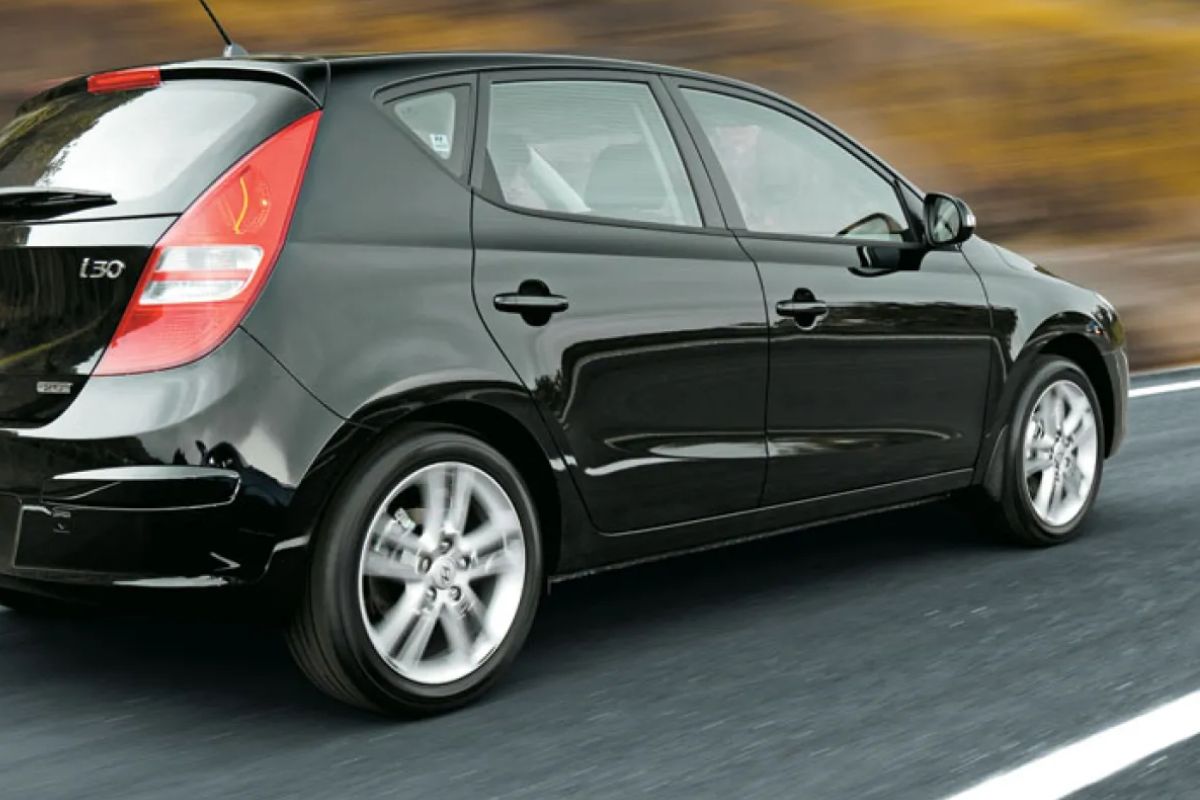

Used 2011 Hyundai i30 2.0 Combines Performance and Premium Package for the Price of a Compact. Korean Medium Hatch Offers 2.0 Engine, Six Airbags, and Superior Finish for Around R$ 44.5 Thousand in the Fipe Table
The used 2011 Hyundai i30 2.0 is one of the most interesting examples of how an imported car can maintain its relevance in the second-hand market. Despite the reputation that Korean vehicles have high maintenance costs, the model delivers good parts availability, mechanical reliability, and a level of equipment worthy of more expensive cars.
Today, it can be found for around R$ 44,5 thousand, according to the Fipe Table (August 2025). This places it in the same price range as new 1.0 hatches, but with a 2.0 engine producing 145 hp, six airbags, and higher-quality interior trim.
Overview and Positioning
The Hyundai i30 arrived in Brazil in 2009 and quickly gained traction. The 2011 model, already with a facelift, came from South Korea to compete with the Ford Focus, Volkswagen Golf, and Chevrolet Vectra GT. Its proposal was clear: to deliver comfort and premium-level equipment at a competitive price.
-
2027 Toyota Corolla Cross Unveiled: New Design, Enhanced Fuel Efficiency, Reduced Maintenance Costs, Advanced Technology, Connected Services, and Up to 10-Year Warranty

-
Fiat Cronos Precision 2018: Affordable Sedan with Spacious Trunk and Reliable Maintenance
-
Volkswagen to Cut Production by 1 Million Cars by 2030, Reducing Jobs and Platforms, Focusing on More Profitable Models

-
Toyota Launches First 100% Electric Car in Brazil: bZ4X with 343 HP, All-Wheel Drive, 361 km Range, Priced at $419,990 BRL, Limited to 99 Units



Even more than a decade later, the i30 2.0 2011 remains attractive, especially for those looking for a medium hatch with style, reliability, and cost-effectiveness.
Technical Specifications
- Engine: 2.0 16V Flex (Beta II) – 145 hp on ethanol
- Torque: 19.0 kgfm
- Transmission: 4-speed automatic
- Suspension: McPherson front, multilink rear
- Trunk: 340 liters
- Acceleration (0–100 km/h): about 10.5 s
The mechanical set prioritizes smoothness and robustness, and the transmission, although old, has proven durability when properly maintained.
Performance and Fuel Consumption
According to PBEV/Inmetro, the used 2011 Hyundai i30 2.0 achieves 9.5 km/l in the city and 12 km/l on the highway with gasoline. On ethanol, the figures drop to 6.5 km/l and 8.5 km/l. The engine responds quickly and ensures safe accelerations, ideal for long trips and urban use.
Comfort and Space
The i30 offers a quiet interior, comfortable seats, and good interior space, with well-defined ergonomics for the driver. The finish, featuring high-quality plastics and precise fittings, remains a highlight compared to national rivals from the same era.
Standard Equipment
Even in the GLS version, the model came equipped with digital air conditioning, six airbags, panoramic sunroof, cruise control, multifunction steering wheel, and 16-inch wheels. In 2011, few national medium hatches offered as much.
Safety
With ABS, EBD, six airbags, and reinforced structure, the i30 positioned itself above many competitors in passive and active safety, even without official assessment from Latin NCAP.
Reliability and Maintenance
The model is known for its mechanical robustness, but some points require attention: transmission oil, bushings, and pivots of the front suspension, and preventive maintenance of the sunroof. Mechanical parts are relatively easy to find, but trim items and electronics may have high costs.
Price and Depreciation
With most of the depreciation already absorbed, the used 2011 Hyundai i30 2.0 maintains stability in resale value, especially when well maintained and with a complete service history.
For those looking for a complete, reliable medium hatch with a price equivalent to basic compacts, the used 2011 Hyundai i30 2.0 is a smart buy. It offers a strong engine, plenty of comfort, and a package of equipment that still impresses.
And you? Would you buy a used 2011 Hyundai i30 or prefer to invest in a newer car, but with fewer features? Leave your opinion in the comments.