Portuguese
  Spanish




The Brazilian Hydrogen Portal, Launched by the MME, Strengthens the National Hydrogen Program with Transparency, Energy Regulation, Neoindustrialization, Sustainable Investments, and Energy Transition. The Platform Gathers Qualified Information, Promotes Technological Development, and Opens Opportunities for Brazil to Stand Out in the Low-Emission Hydrogen Market
The Brazilian Hydrogen Portal was launched by the Ministry of Mines and Energy (MME) on September 22, in partnership with the Energy Research Company (EPE).
According to a news article published, the innovation aims to provide transparency, guide investments, and consolidate the national policy focused on the use of low-carbon hydrogen.
The platform seeks to transform Brazil into an international reference in the energy sector while simultaneously opening opportunities in various areas related to technology, innovation, and new markets.
-
Green Roofs on Homes Gain Popularity for Reducing Heat, Noise, and Rain Impact in Brazil

-
Brazilian promises his children to save a river, creates an eco-barrier in his backyard, has already removed more than 40 tons of trash from the water, and even inspires the idea in other states of the country.

-
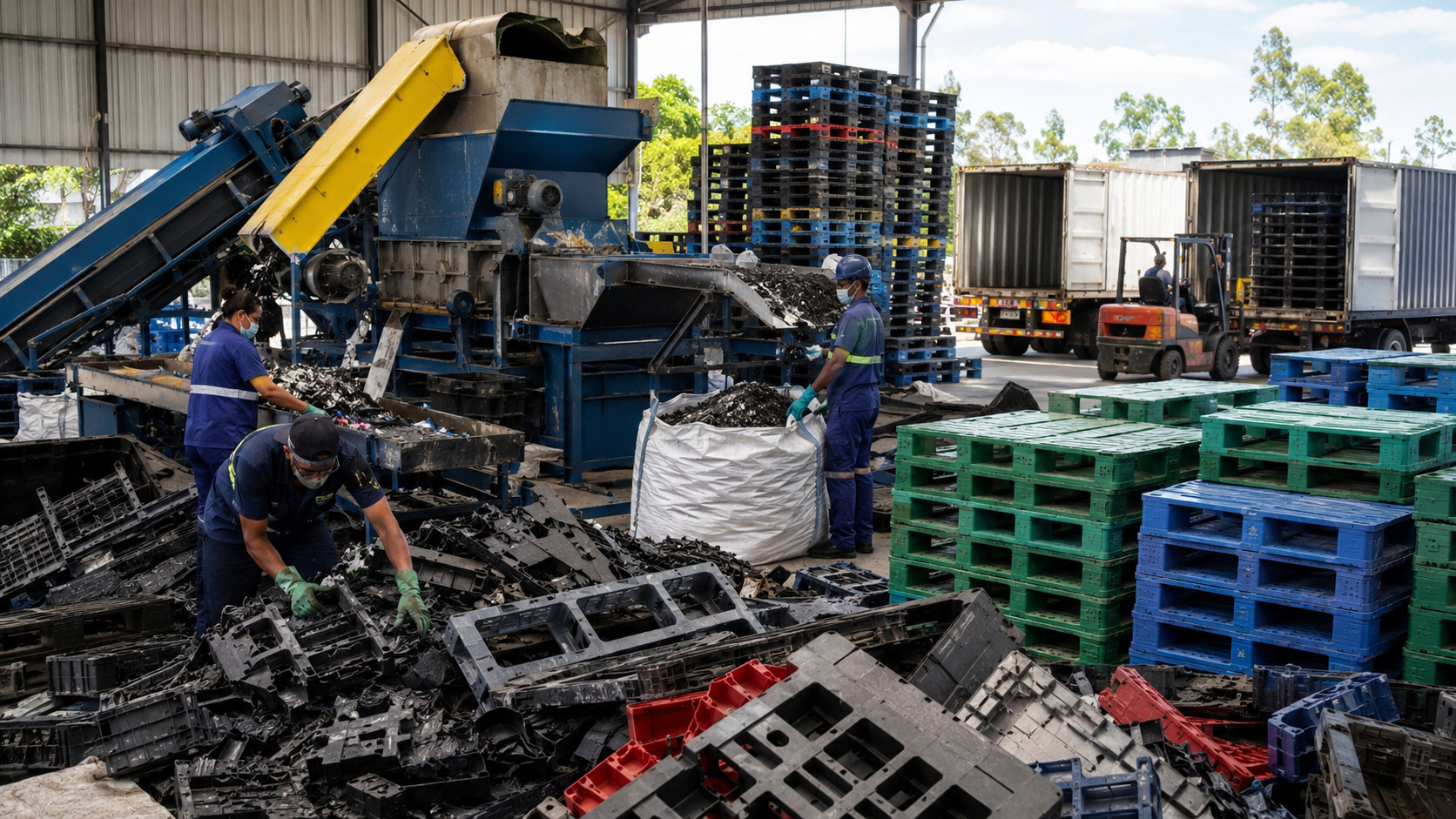
How a Brazilian company created a system that transforms broken pallets of any brand into new assets, recycles 80 tons of plastic per month, and found a profitable solution to a problem that challenges industries across the country.
-
Invasive bullfrog capable of devouring other amphibians and laying up to 20,000 eggs is found in Florianópolis, raising an alert about the threat to native fauna.



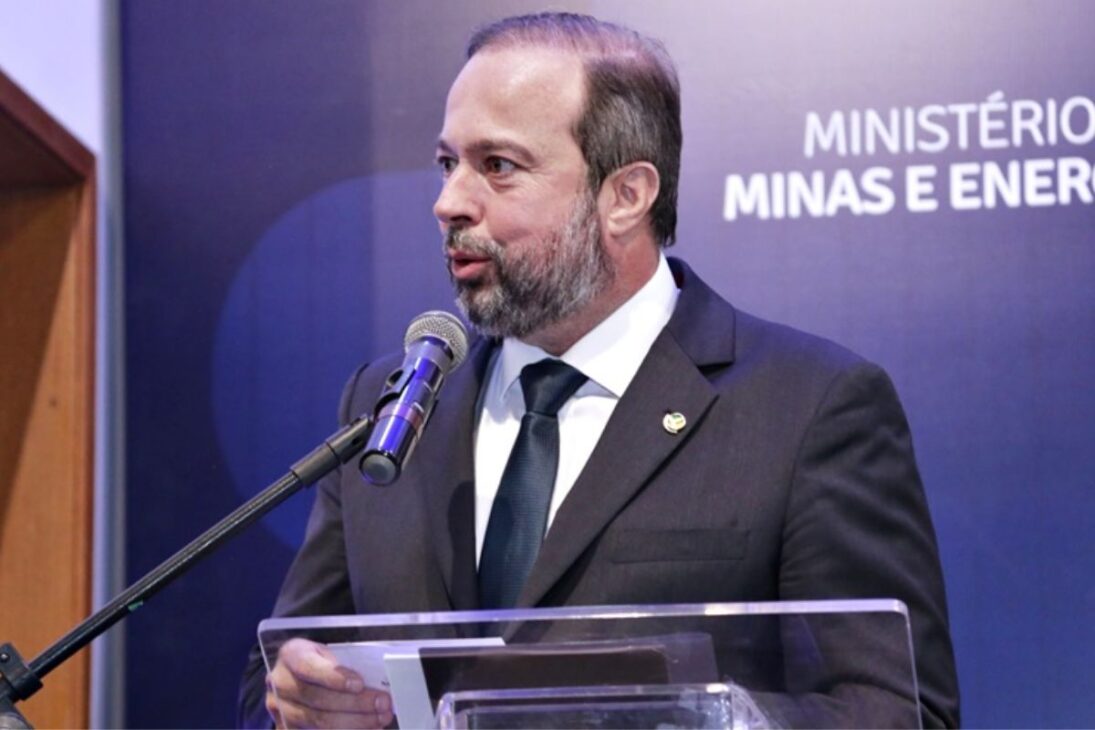
The announcement was made at the EPE Auditorium in Rio de Janeiro, with live streaming on the official channels of the MME and EPE on YouTube.
The event brought together Brazilian authorities and representatives of international institutions directly involved in the development of hydrogen-related solutions.
The tool is not just an information base. It was created to support decision-making, from energy planning to regulation, including professional training and encouraging neoindustrialization.
Furthermore, it reinforces commitments made by Brazil to the UN in 2021 during the High-Level Dialogue on Energy.
Brazilian Hydrogen Portal and the National Hydrogen Program
The Brazilian Hydrogen Portal is directly linked to the National Hydrogen Program (PNH2).
This program’s main objective is to organize the necessary actions for Brazil to consolidate itself as one of the leaders in the production and use of low-carbon hydrogen.
According to the National Secretary of Energy Transition and Planning of the MME, Gustavo Ataíde, the creation of the platform represents an important milestone within the national energy policy.
He explained that, in addition to providing reliable information, the portal will offer more clarity and enable investors and managers to better understand the evolving scenario.
The PNH2 organizes its activities across different axes, such as the scientific-technical base, workforce training, regulation, and market opening.
The new portal gathers data that supports each of these axes and facilitates monitoring of the entire process by any citizen. This way, access to information is no longer restricted and is made widely available.
Transparency in Energy Policy and Energy Regulation
The creation of the Brazilian Hydrogen Portal aligns with the need to enhance transparency in the country’s energy policy. For the director of the Energy Transition Department of the MME, Karina Sousa, the initiative symbolizes more than a technological advancement.
She emphasized that it is a tool that strengthens governance in the sector, allowing different audiences, such as managers, investors, and civil society, to access updated and qualified information.
This approach helps to lower barriers for those wishing to invest in the sector. By centralizing relevant information, the platform improves the decision-making process and strengthens energy regulation, which is fundamental to consolidate the national hydrogen policy.
Additionally, the portal will assist in monitoring the regulation of the sector, which will be expanded over the coming months.
With this, Brazil is preparing to face the challenges of integrating hydrogen into the energy matrix, ensuring legal security and reliability in the processes.
Neoindustrialization and Sustainable Investments
Another highlight of the Brazilian Hydrogen Portal is its contribution to encouraging neoindustrialization.
This means that the portal can stimulate the development of new industries, focusing on clean technology and low environmental impact, opening space for various productive sectors.
The portal also seeks to support the realization of sustainable investments. These investments, increasingly valued in the global scenario, require clear and reliable information so they can be directed toward the hydrogen sector.
By offering organized data, the portal becomes a strategic source for domestic and foreign companies planning to invest in Brazil.
It is worth noting that the platform’s development was funded by the UK-SIP program, through the Inter-American Development Bank (IDB).
This international support reinforces the importance of the project and shows that there is a global interest in strengthening Brazil’s role in the production and use of hydrogen as a competitive energy vector.
Energy Transition and International Cooperation
The launch of the Brazilian Hydrogen Portal also represents a step within the energy transition agenda.
Brazil has sought to expand the use of clean and sustainable sources, reducing carbon emissions and preparing for climate challenges.
The portal assists in this process by organizing information and facilitating the planning of public and private policies.
During the launch event, prominent figures associated with international cooperation participated, such as Martha Carvalho, senior energy specialist at the IDB, and Ajoum Noorani, the UK Consul.
There was also a debate moderated by journalist Pedro Aurélio, with representatives from the United Nations Industrial Development Organization (UNIDO) and the Brazilian Hydrogen Association (ABH2).
These participations reinforce that hydrogen is not only a national topic but a global one.
By making information openly and organized available through the portal, Brazil strengthens its leadership position in this energy transition scenario and aims to become one of the protagonists in building solutions to face climate change.