






 Portuguese
  Spanish
 3 min of reading


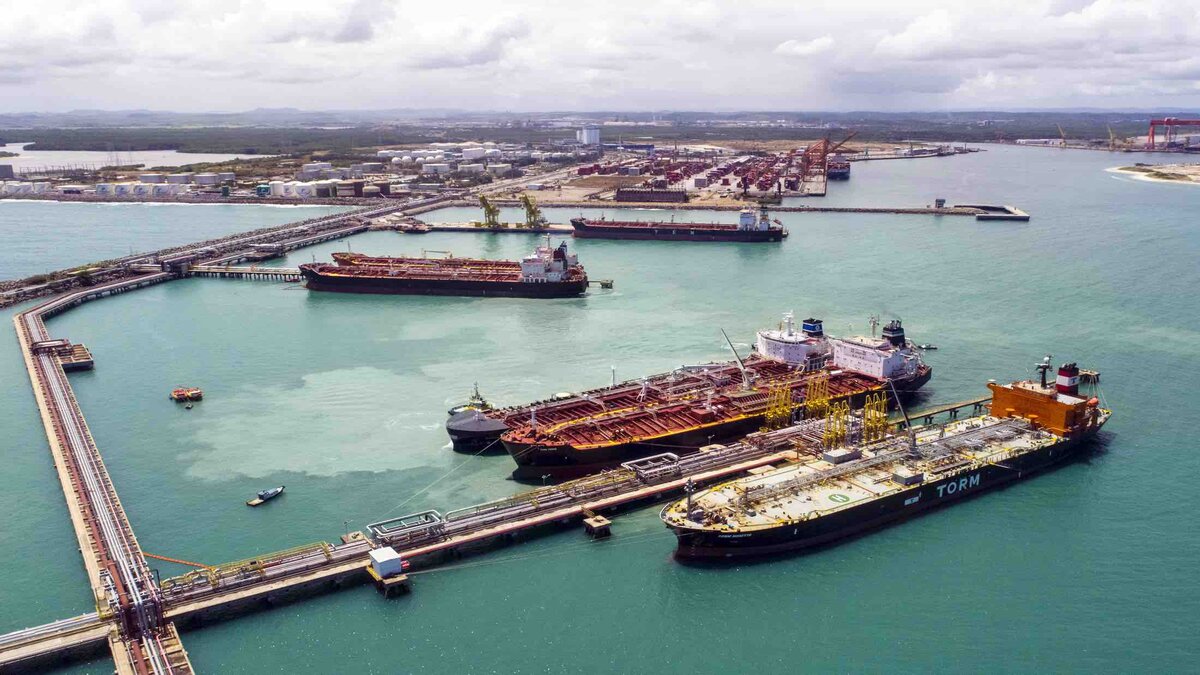
With an Increase in Cargo Transportation Operations, Suape Port Seeks to Ensure Greater Security in Truck Access Control and Now Invests in IP Technology for Vehicle and Driver Recognition on the Complex’s Premises
Suape Port, located in the state of Pernambuco, continues to invest in security for operations and takes advantage of its recent IP technology for vehicle and driver recognition on-site. Thus, by this Wednesday, (06/01), it is believed that the port authority aims to ensure more access control at the entry of trucks into the complex and even greater security throughout the merchandise transportation chain within the port facilities.
IP Technology for Facial Recognition for Truck Access Control is Suape Port’s New Bet to Ensure Greater Security in Operations
Suape Port is one of the largest port complexes in all of Latin America and holds significant relevance in the global port scene, handling over 23.6 million tons of cargo annually. Therefore, digitalization and automation are highly necessary characteristics to ensure greater efficiency and security in the complex’s operations, and the port authority continues to invest in the segment, with new acquisitions for the site.
And, with the arrival of new trucks and waiting lines on-site, there was a need for technology capable of regulating traffic flow from a waiting parking area to the entry gate of the port complex and in individual terminals.
-
Instead of plastering the wall, Argentine architects left ordinary bricks exposed, without traditional mortar, without finishes, without paint, and created a perforated pavilion that looks like an art installation.

-
North Korean Fiasco: Launch of the Largest Warship Ends in Sinking

-
With 100 discarded pallets and simple tools, the project creates a 23 m² shelter, recycles wood used in the transport of humanitarian aid, and transforms temporary housing for refugees.
-
Scotland creates a brick made with over 95% recycled debris, eliminates kiln firing, and attempts to reinvent a piece used in construction for almost a thousand years.


Thus, Suape Port invested in cameras with IP technology from Swedish manufacturer Axis Communications and a management software suite from Pegasus Technology to implement the recognition of vehicles and drivers and ensure greater security in access control to the complex’s facilities.
Consequently, access control is becoming much more efficient since the technology of the cameras and software ensures which drivers and trucks are authorized to access the complex. With usage during the latest operations, results are already being observed, showing a significant drop in infractions, irregularities, and even in the aggressive behavior of some professionals who were frustrated with the wait. Thus, security in cargo transportation operations at Suape Port is increasingly benefiting from the technology.
Understand How Integrated IP Technology Works in the Port Complex for Truck Access Control in Cargo Transport Operations
The entire truck access control process with the new technology at Suape Port begins as soon as the vehicle stops outside the complex’s premises. At this moment, a camera captures the license plate image, and the Pegasus plate reader, a video analysis resource built into the camera, translates the pixels into triggered data. Thus, the software being used to schedule the entry times for each driver restricts access to the port until the time set by the truck driver.
Consequently, when the system matches a license plate with a timed entry assignment, it displays the release report on LED panels along the road. The drivers then check the report to see if there are any irregularities and proceed to the main gate, where another control post with additional cameras captures vehicle plates and analyzes whether the truck in question arrived at the scheduled entry time.
If all steps are completed without any issues, the truck is cleared to operate within the complex, and thus the technology ensures automated, fast, and efficient access control at Suape Port.






Be the first to react!