






 Portuguese
  Spanish


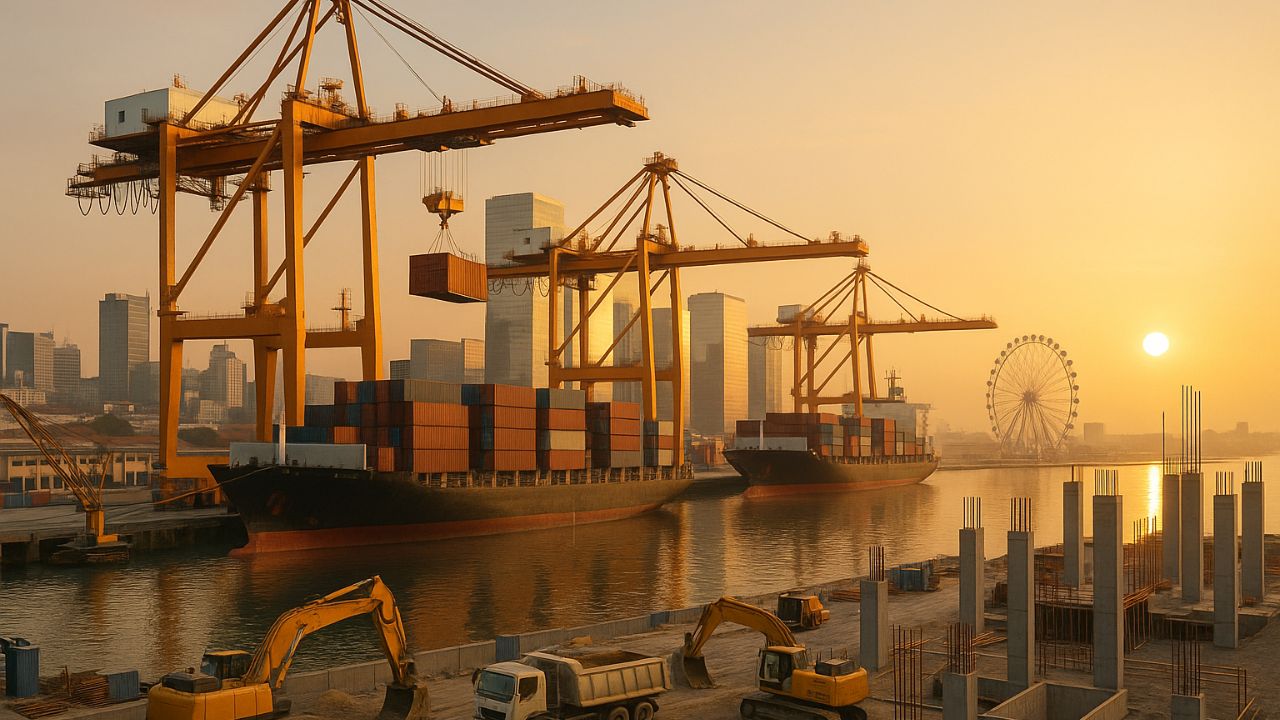
A Bold Investment of R$ 5 Billion Radically Transforms the Port Area of Rio de Janeiro with the Mata Maravilha Project Seeking a New Paradigm of Sustainable Urbanism in the Historic Carioca Port.
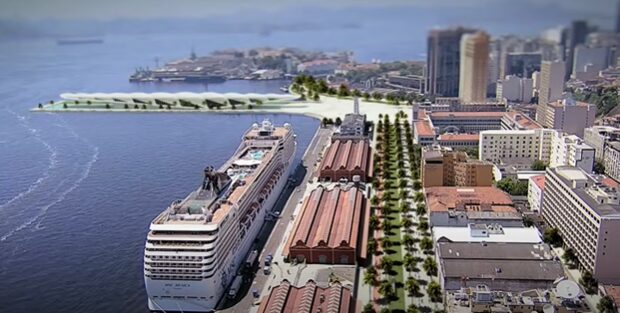
Where urban abandonment reigned for decades, Mata Maravilha emerges. With R$ 5 billion, the project will rewrite the history of the port of Rio de Janeiro and global urbanism. The initiative will revitalize the port area, creating an ecosystem of 223,000 m² with native forest, futuristic architecture, and the largest urban park by the Bay of Guanabara.
From Colonial Peak to Decline
The port area of Rio de Janeiro pulses with the history of Brazil, being the stage for events that shaped national identity since the 18th century. In the colonial period, the port of Rio was a crucial point for goods and people, including the landing of enslaved Africans, European products, and later immigrants. Its importance grew with the arrival of the royal family in 1808, consolidating it as a vital commercial center.
The end of the 19th century brought an industrial boom to the area, with factories emerging in neighborhoods like Gamboa and Saúde. The Moinho Fluminense, inaugurated in 1887, became a symbol of this progress, designed to be the most modern in Latin America. However, from the second half of the 20th century, the port entered decline due to the capital’s relocation and the modernization of other structures, leading to the abandonment of historical buildings and the deactivation of the Moinho itself in 2016.
-
Ireland Installs 654 Modular Homes to Shelter 2,640 Ukrainian War Refugees, Offering a 60-Year Guarantee and a Model for Future Housing Crises

-
Sagrada Família Becomes World’s Tallest Church at 172.5 Meters, Surpassing German Church with Gaudí’s Design

-
Inspired by São Paulo’s Vila Reencontro, Rio Grande do Sul invests $8 million to provide 18 m² micro-homes for homeless families in four cities, offering amenities and up to two years of housing.

-
Brazil’s Piauí State Invests Over $2 Million in Road Restoration and Urban Asphalt Projects



The Ambition to Be the First “Nature Positive” City
Mata Maravilha was born from the desire to revitalize the iconic Moinho Fluminense, transforming it into the heart of a new urban era for Rio, with the goal of making the city the first “nature positive” city on the planet. Leading the initiative is French entrepreneur Alexandre Allard, known for the restoration of Cidade Matarazzo in São Paulo, who is now directing his experience in design, sustainability, and culture towards the Porto Maravilha.
To realize this vision, Allard partnered with Aimon Empreendimentos Imobiliários and the International Autonomy and Capital Fund, specializing in high-impact projects. This strong partnership attracted the City of Rio, which, via public notice, selected the AI Moinho project. A decisive step occurred in April 2025, when Mayor Eduardo Paes released the Moinho property, allowing the official beginning of Mata Maravilha.
A Technological Urban Forest in the Port
Mata Maravilha promises extraordinary dimensions for the port, integrating artificial intelligence, biodiversity, and social inclusion. More than 40,000 trees and native shrubs from the Atlantic Forest will be planted, restoring the original flora over more than 10 hectares of the total 223,000 m². The project will recreate a tropical biome with 7 km of pathways and integrate mangroves and natural filtration systems to help recover the Bay of Guanabara.
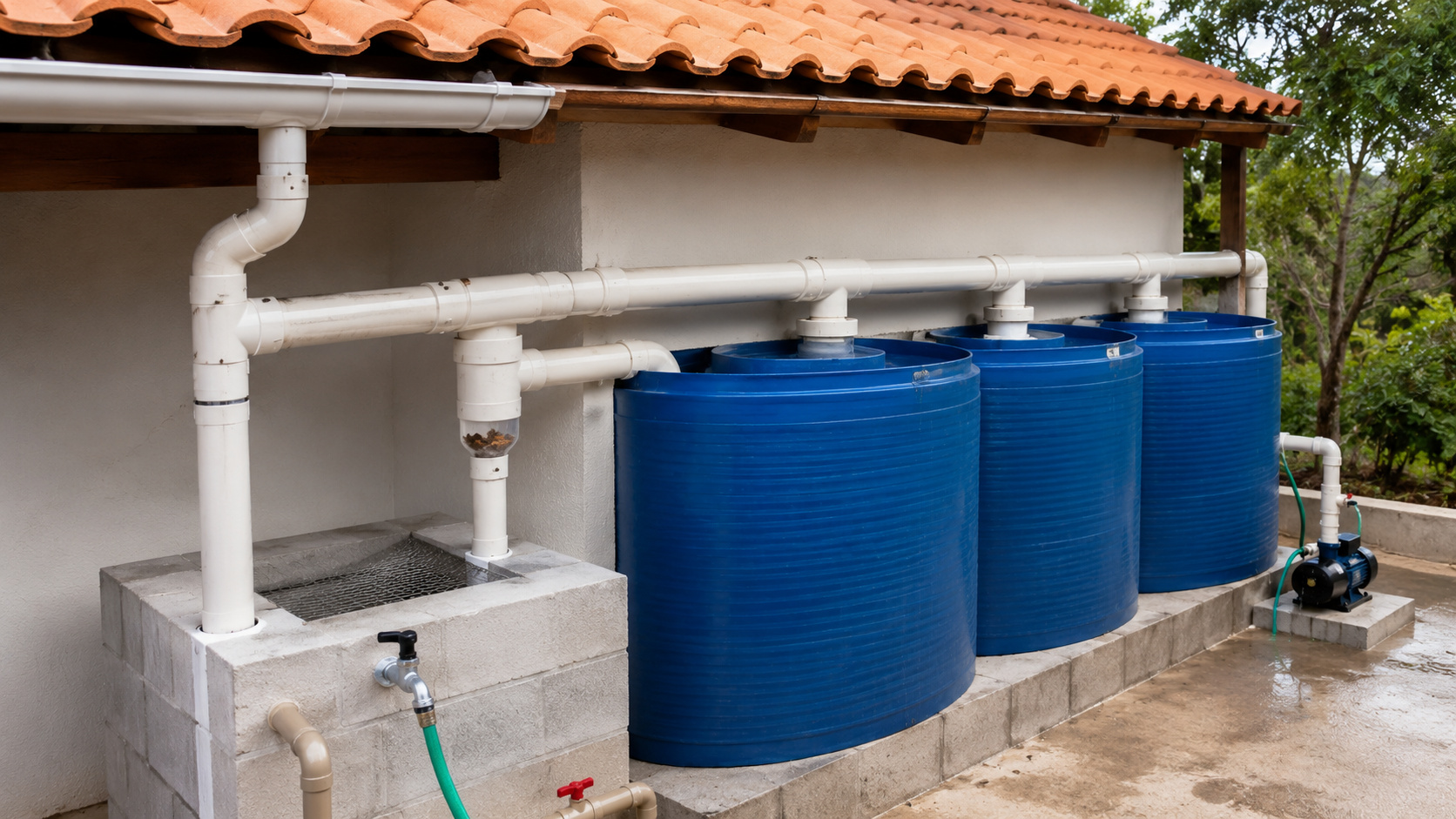
Sustainability is key, with a zero-carbon operation and autonomy in water and temperature. Rainwater harvesting systems, natural ventilation, and living facades will seek to reduce local temperature by up to 8°C. Green technologies and artificial intelligence, with sensors and algorithms, will monitor environmental performance, while regenerative architecture aims to generate concrete benefits for the surrounding port.
Vertical Towers, Innovation and Well-Being Hubs
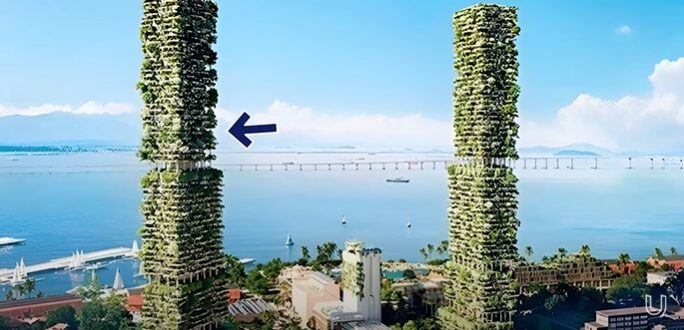
The infrastructure of Mata Maravilha in the port will include two vertical forest residential towers of 70 stories, with facades covered in native vegetation. Inspired by the Bosco Verticale in Milan, they will absorb CO2 and filter pollutants. The complex will also feature four hotels, housing for 2,500 people, coworking spaces, and innovation centers, forming a digital hub focused on green technology.
The project will also include the Harmonia elevated park, an ancestral art village, a nature theater, and an organic market. Well-being will be addressed with a movement room and a meditation temple. Hubia, a center for green technologies, will seek to attract 15,000 talents, consolidating Rio as a reference in innovation, as highlighted by Canal Construction Time regarding the transformative ambition for the port.
From Respect for History to a Global Reference in the Port
Mata Maravilha is committed to the cultural and social roots of the port, respecting its history and population, including black resistances and anti-racist movements. Social and cultural committees with local participation will be formed, and historical buildings like the Moinho Fluminense will be restored, preserving collective memory and stimulating the local economy inclusively.
In comparison with Cidade Matarazzo in São Paulo, also by Allard, Mata Maravilha represents an evolution. While Matarazzo focused on recovering a block with an artistic and luxury bias, the project at Porto Maravilha aims to reforest a much larger area, integrating housing, culture, technology, and environmental regeneration on an unprecedented scale. The impact of the project transcends Rio, positioning it as a potential global model of sustainable urbanism for other metropolises facing climate and social challenges.



Be the first to react!