Portuguese
  Spanish



Modern Structure Boosts Export Capacity And Integrates Environmental Monitoring
During the celebration event for 70 Years of the Port of São Francisco do Sul, held on July 1, 2025, representatives of TGSC confirmed their participation in the Integrated Environmental Monitoring Program. The program also includes the Public Port, Santa Catarina Terminal (Tesc), and Port Itapoá. Until now, according to the administration, each facility maintained its own environmental management system. Now, the terminals are working together. This reinforces the sustainable commitment with an estimated investment of R$17 million.
Structure Enhances Competitiveness and Expands Grain Exports
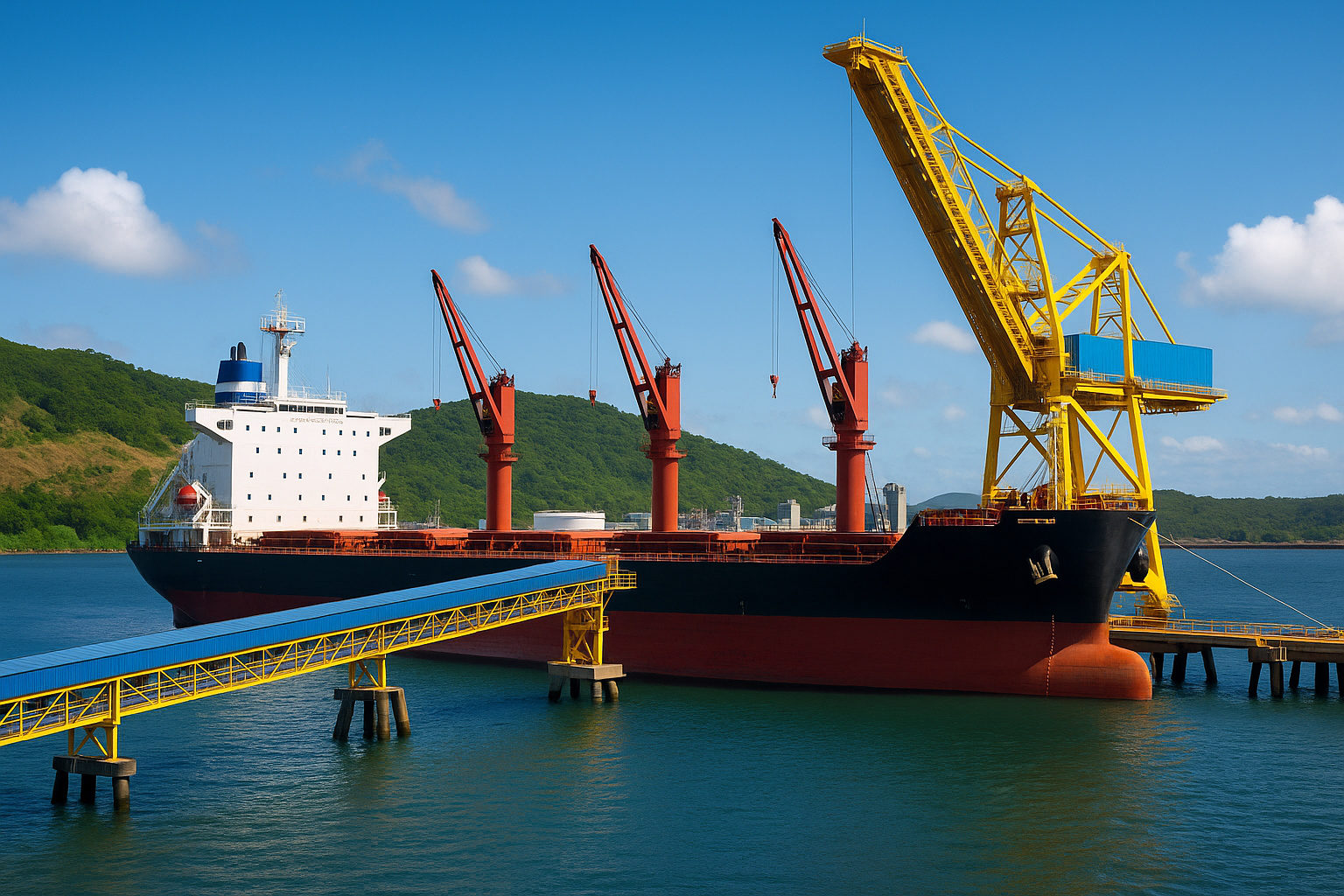
Furthermore, the entire structure of TGSC was designed to optimize the logistics of grain export. The new private terminal features a 255-meter-long pier, housing two berths. In practice, this structure will allow TGSC to achieve an operational capacity of up to 6 million tons per year. This is expected to be realized when it is fully operational, according to management data.
-
The Port of Itaqui closes the best first semester in history with over 17 million tons and takes off as the locomotive of the Northern Arc.

-
Brazil’s North-South Railway to Auction Two Grain Terminals in Central Tocantins

-
AI-powered traffic cameras in São Paulo now issue fines for cellphone use and seatbelt violations around the clock

-
Free Upgrade to Professional Driver’s License Categories in Over 130 Locations in Brazil, Including Exams and Courses



Another highlight is the complex system of conveyor belts, totaling 980 meters in length. It can handle up to 2,000 tons of grain per hour. This infrastructure is complemented by dolphins for mooring, equipment for securing vessels, and ship loaders. There are also support buildings, all integrated to ensure greater efficiency in cargo handling.
Billion-Dollar Investment and Strategic Location
According to data from the state government, the total investment in the project is around R$520 million. This reinforces the logistical potential of Baía da Babitonga. This is one of the most strategic regions for the transportation of agricultural commodities. It is worth noting that the terminal’s back area will have a storage capacity of 135,000 tons of bulk goods. This structure is divided between a horizontal warehouse and six vertical silos, providing flexibility for different types of grains.
In addition, the proximity to the Port of São Francisco do Sul allows for logistical synergies. There is also the utilization of existing infrastructure in the region. This strengthens Santa Catarina’s competitiveness in the Brazilian export landscape.
Joint Operation Stimulates Environmental Gains
With the participation in the Integrated Environmental Monitoring Program, TGSC reinforces its sustainable operations. This occurs in cooperation with the other terminals. According to the administration of the Port of São Francisco do Sul, this collective measure enables more efficient monitoring of environmental impacts. Furthermore, it enhances quality control of operations.
Therefore, the expectation is that, in the coming months, operational tests will advance to the phase of actual cargo handling. This ensures that the whole system operates safely and within environmental guidelines.
Perspective for the Second Half and Future Expansion
Finally, those responsible for the Santa Catarina Bulk Terminal estimate that, still in 2025, operations will reach full capacity. This will help expand the state’s presence in the foreign trade. Thus, the new terminal positions itself as a key driver for regional logistical growth. The project maintains a commitment to sustainability, efficiency, and competitiveness. This information was reinforced by authorities at the commemorative event held in São Francisco do Sul.