Portuguese
  Spanish


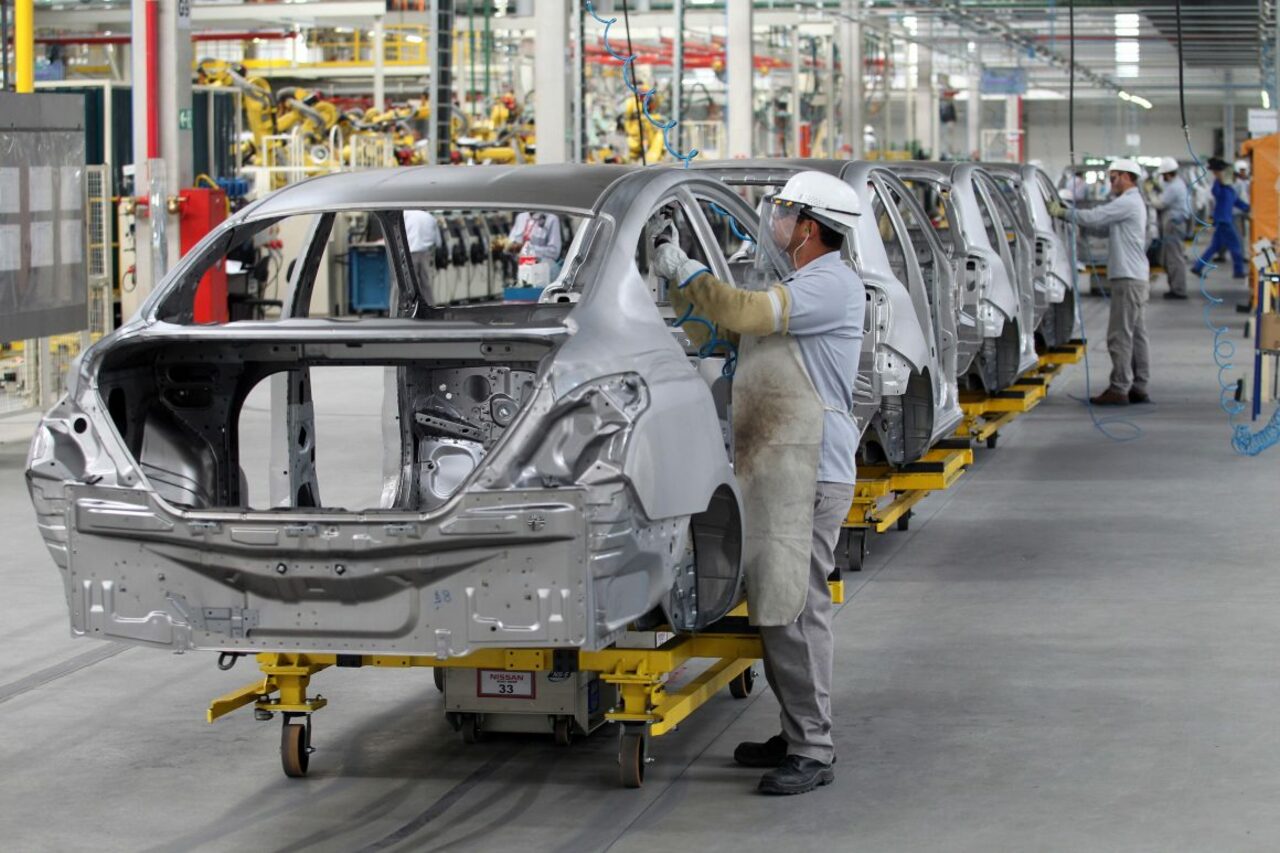

Important Automakers in the Automotive Sector Announce Production Shutdown, Fueling Rumors of Economic Crisis in Brazil
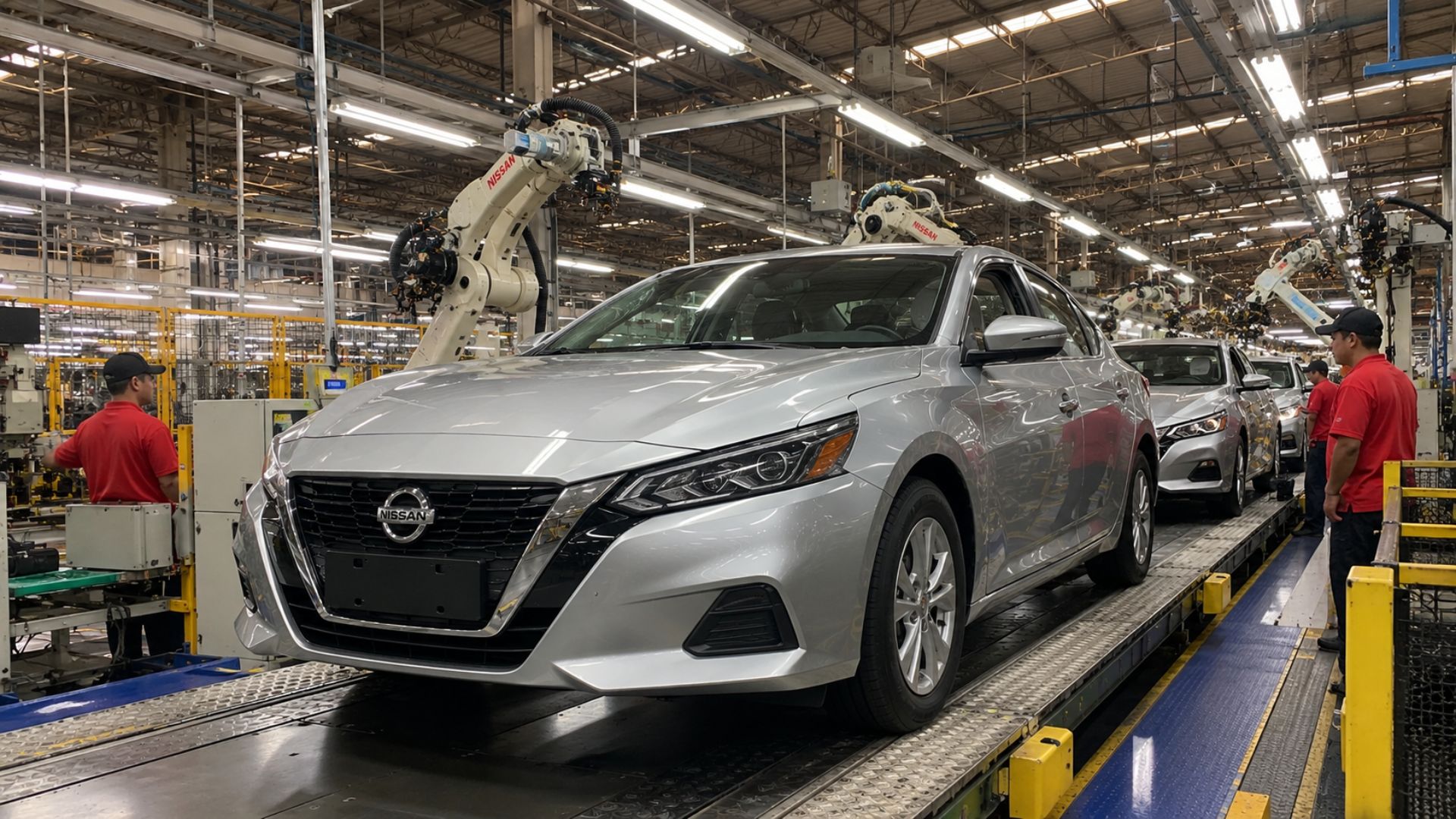
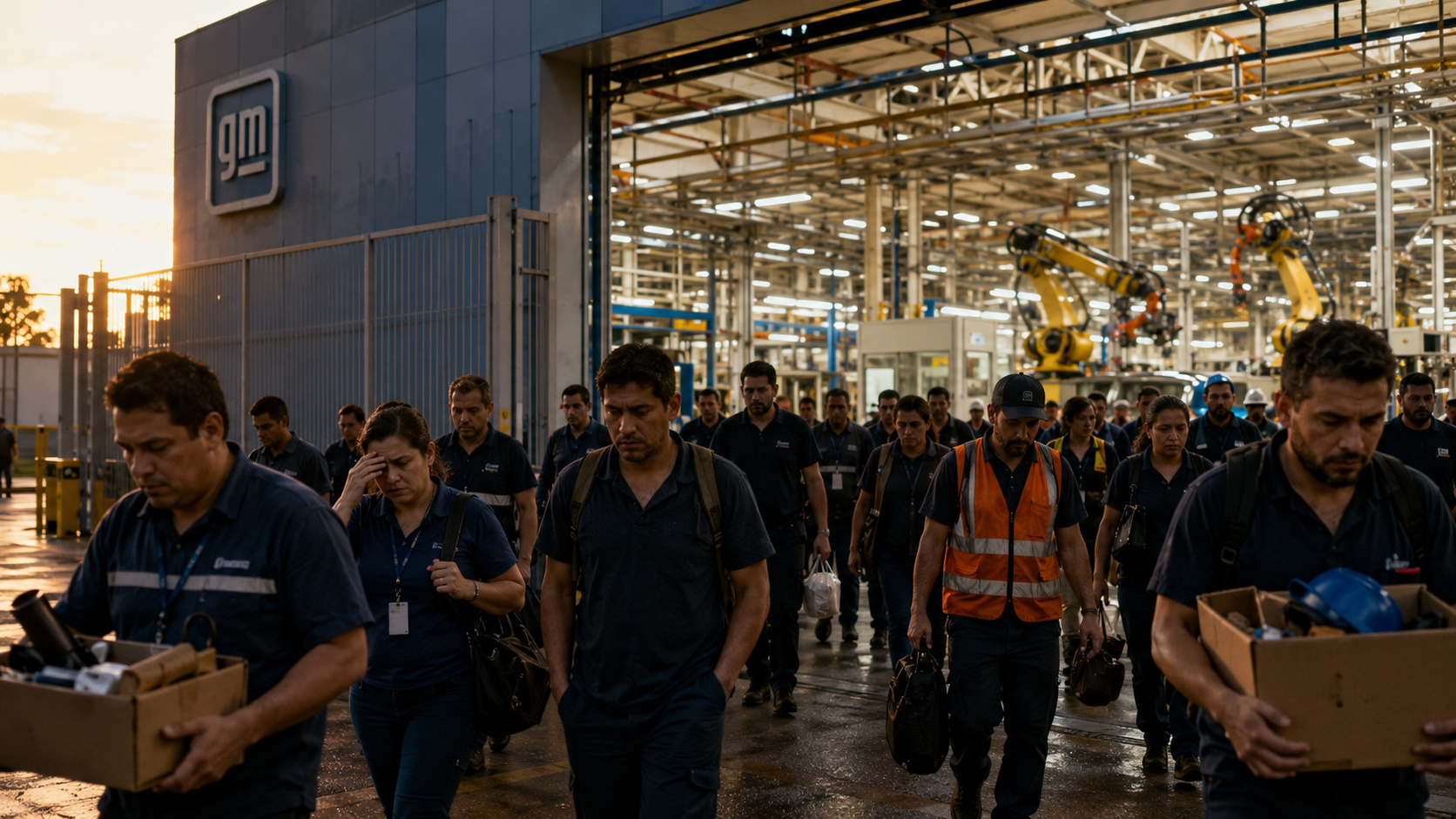
On the last 20th, several automakers in the automotive sector, such as Hyundai, General Motors, Stellantis, and Volkswagen announced the shutdown of production at some of their factories located in Brazil. This announcement has heightened rumors of a crisis in the sector in Brazil. According to information published by G1, automakers in the automotive sector will grant collective vacations to their employees between the end of March and the beginning of April.
Geopolitical and Economic Issues Are Among the Main Causes for the Shutdown of Automakers and Parts Shortage Affects Volkswagen
According to the four automakers, the shutdown of services is due to the national and global economic scenario, unlike in previous years, when the reason for shutdowns was the parts shortage due to social isolation because of Covid-19.
The website Escola Educação points out the high values in the automobile market, the parts shortage, and the influence of global economic problems as the main factors cited during the announcement. Still according to G1, the main reason for the shutdown is a reduction in demand due to the decreased purchasing power of the Brazilian population and the higher costs of loans.
-
End of an era in Brazil: beloved sedan by Brazilians is discontinued despite having a 2.0 engine with 151 hp, CVT transmission, 466-liter trunk, and up to 650 km of range.

-
New Law Proposal in Brazil Could Heavily Penalize Drivers: Dangerous Overtaking May Become a Serious Offense with Fines Increased Tenfold and a 12-Month License Suspension; Update on 2026 Progress

-
Electric Revolution: Watts W125 Motorcycle Offers 160 km Range, 90 km/h Speed, and Affordable Price Starting at $3,000
-
General Motors Replaces Over a Thousand Workers with 50 Cobots at Electric Vehicle Plant, UAW Union Criticizes Move Amid Industry’s Automation Push


The war in Ukraine has also impacted the automobile market, especially due to an increase in the prices of commodities needed for automakers, such as metals used in semiconductors, responsible for conducting electrical currents in automobiles.
However, if the new fiscal policy, still under discussion, proposed by the federal government, is effective, new investments may be attracted and the Central Bank may be able to lower interest rates, thanks to the recovery of market confidence with public spending.
According to Volkswagen’s statement, the case of the automaker differs somewhat from the others, as the company stated that the collective vacations of its employees will be for the maintenance of the production line, which implies a possible parts shortage.
Can the Prices of Automobiles Fall?
Despite the slowdown in sales, a direct cause of the shutdown, the prices of new automobiles are not expected to undergo significant reductions. This is because automakers need to stay updated in the market, investing in innovation and efficiency. Thus, even the most popular models, such as some from Volkswagen, are not expected to experience significant reductions.
According to some specialists, this stabilization in prices is still an impact of the Covid-19 pandemic, as automakers are resistant to reducing prices due to the substantial losses incurred from social isolation and the economic crisis.