Portuguese
  Spanish


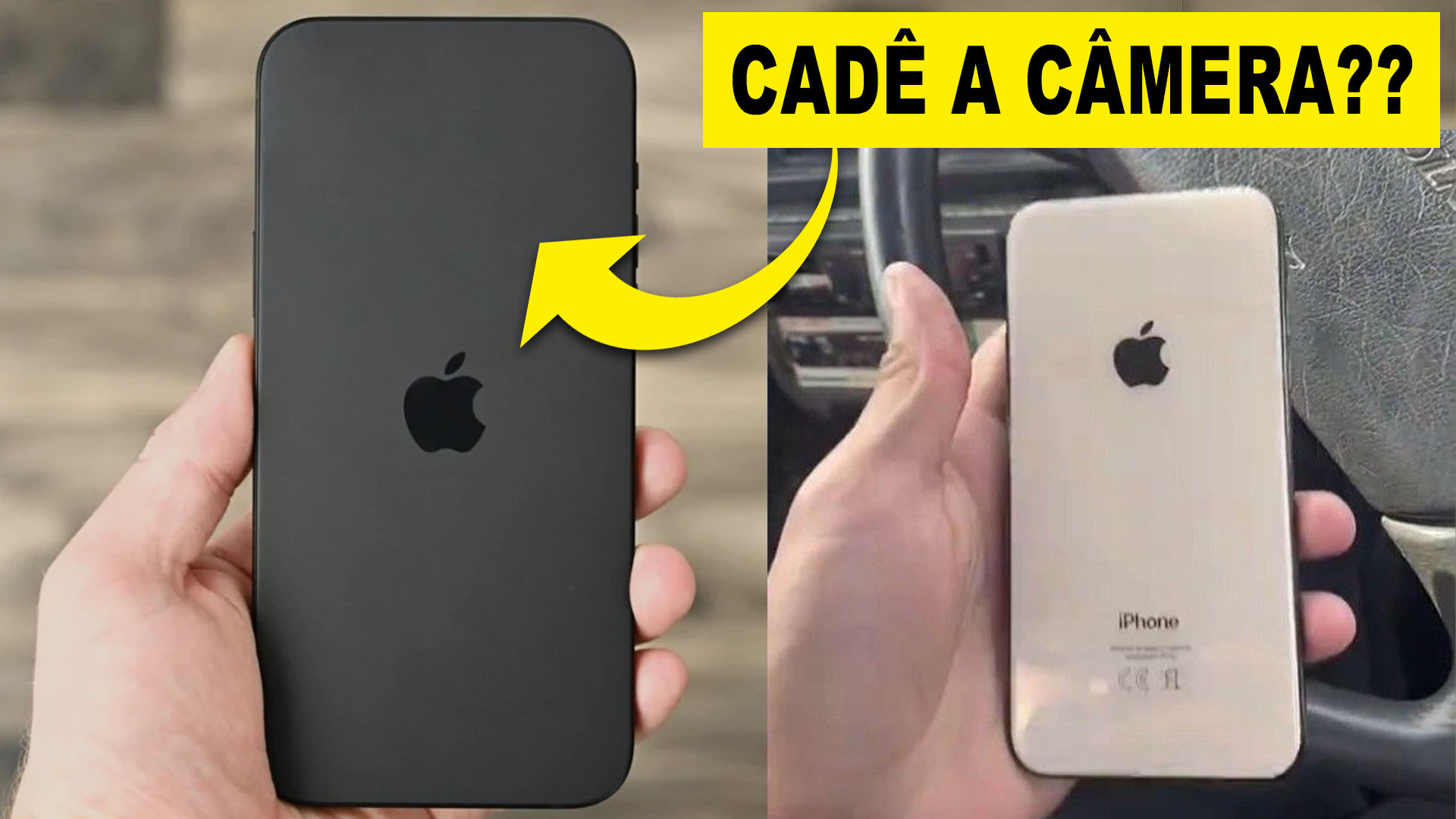


Versions Without Camera of iPhones Are Modified for Places With Photography Bans. Apple Does Not Manufacture the iPhone Without a Camera; They Are Modified by Carriers and Specialized Repair Shops That Remove the Modules to Meet Security Policies.
Few people have seen a camera-less iPhone. Even so, it circulates in places where any image capture is prohibited by regulation. The logic is simple: keep the smartphone useful for calls, corporate apps, and authentication, without the risk of photos.
In 2018, the Pentagon itself formalized restrictions on cell phones in classified areas, citing risks related to data storage and recording.
In 2024, the South Korean Armed Forces considered banning iPhones in military buildings due to concerns about leaks via recordings.
-
Former XP Partners Launch Yuool, a Recycled PET Bottle Shoe Brand, Becoming Brazil’s First B Corp Footwear Company with $15 Million Revenue

-
Man Who Spent 27 Years Cleaning Classrooms in Louisiana Becomes Principal of the Same School at 39

-
Discarded Firefighter Uniforms Repurposed into Fire-Resistant Fabric by Spanish Company
-
Brazilian Designers Turn Urban Waste into Vegan Fashion, Diverting Nearly 1 Ton of Waste and Earning $2.2 Million in 2024




These are examples of how state agencies tighten rules when confidentiality weighs more than convenience.
Does Apple Sell iPhone Without a Camera? What Do the Specifications Say?
No. Apple does not sell versions of iPhone without a camera. All current models arrive on the market with front and rear camera systems listed in the official specifications.
The iPhone 16, for example, has a dual setup with a 48 MP sensor, and the Brazilian page details photo and video functionalities.
User doubts frequently appear in Apple’s own forums, and the response is consistent. There is no way to buy a new iPhone without cameras; it is only possible to restrict use via software. This reinforces that any “camera-less iPhone” seen on the market does not come this way from the factory.
It is worth noting that the fact that Apple does not sell the product this way does not mean the camera-less iPhone is not original, as the modifications for removing the modules are performed by specialized technical assistance that maintains all other functionalities of the device.
Companies and schools can disable the camera via MDM (mobile device management) on supervised devices. This is a software block, common in corporate environments, different from the physical removal of the lenses.
Who Sells and How Do Hardware Modifications Work?
There are specialized stores and service providers that remove camera modules and issue a certificate linked to the IMEI, a practice sought after by companies in energy, oil, and military units.
NonCam, for example, claims to have been producing “non-camera” iPhones since 2011 and provides certificates for auditing.
A classic case occurred in Singapore in 2012: the carrier M1 offered iPhone 4 and 4S with the cameras removed, accompanied by a certificate required by the Ministry of Defense for entry into military facilities. At the time, the warranty became third-party, as the modification was not by Apple.
In practice, the process involves opening the device, removing the modules, sealing the holes, and registering the service. These are modified units, not “official editions.”
Therefore, support and coverage may differ from the Apple standard.
Why Do Certain Places Require Cell Phones Without Cameras?
Military environments, laboratories, and government centers adopt no-photography policies to reduce the risk of exposing data, industrial secrets, and internal routes.
The Pentagon’s regulation illustrates the rationale: devices capable of recording or transmitting data are limited in classified areas.
There are also policy adjustments as new technologies emerge. The debate in South Korea, focusing on recording capabilities in iPhones, shows how rules can tighten when the perception of risk increases.
How to Identify Risks, Scams, and Corporate Alternatives
If you see someone with a “camera-less iPhone,” there are three possibilities: a corporate device modified with a certificate; a unit altered without documentation; or a scam with a replaced case.
Request the certificate with IMEI and service details. Serious companies provide it for inspection at the entrances of restricted areas.
For Brazilian companies that only need to prevent photos in daily operations, the simplest route is the MDM block. Apple documents the restriction of the camera on supervised devices, which can be reversed when the policy changes, without altering the hardware. It is less intrusive and maintains official support.
Consumers should be wary of ads selling “original iPhone, 100% Apple, without factory camera.” The history of Singapore itself shows that known sales were post-modification, with specific certification and no connection to standard Apple warranty.
Do you think that confidential environments should allow smartphones with cameras blocked by software or only accept devices without physical cameras? Does this requirement improve security or create costs and loopholes that end up encouraging modding and gray markets?