Portuguese
  Spanish


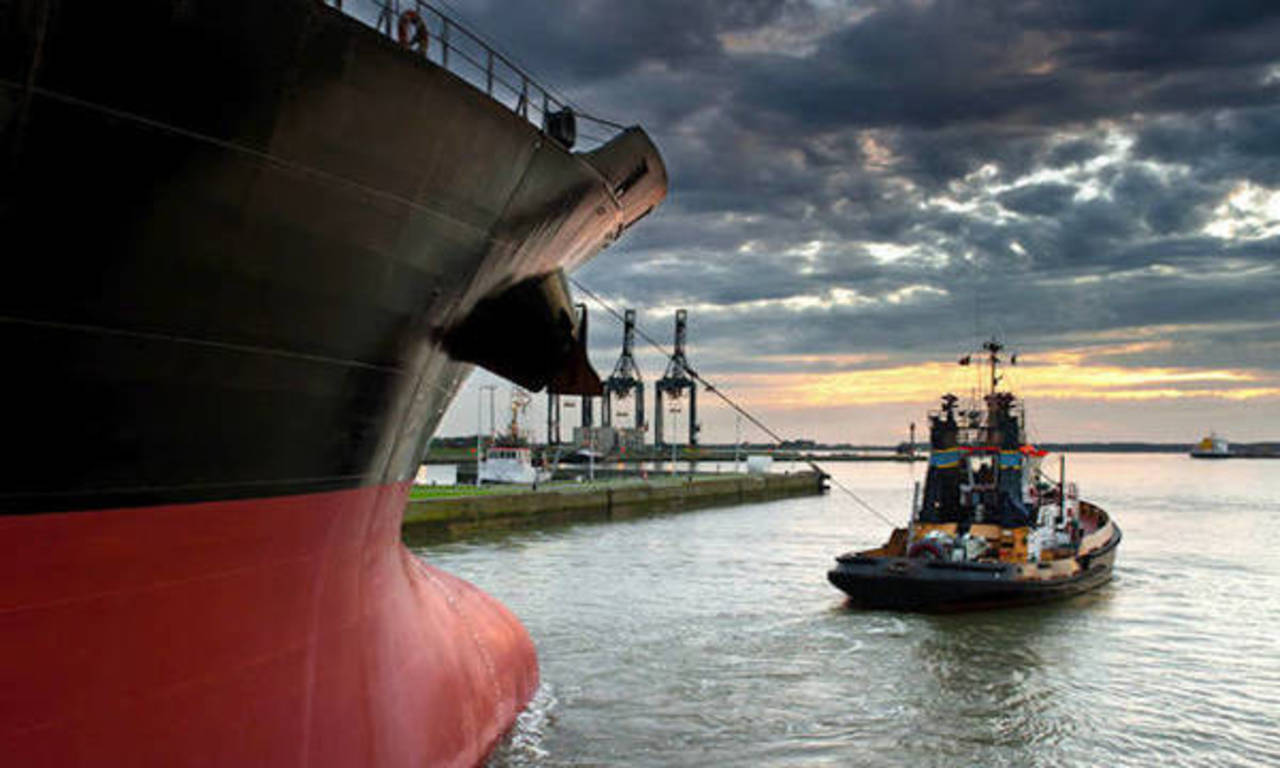

Learn All the Details About Being a Ship Pilot and How to Earn up to R$300 Thousand in the Offshore Industry
The offshore profession of ship pilot, organized in pilot associations, which are private entities, maintains a support structure composed of several launches, a shipyard for maintenance, an operations control center, and sophisticated communication and traffic monitoring equipment—structures these acquired and maintained entirely with private resources. There is also the option in the offshore profession of pilot to operate individually, which occurs less frequently here in Brazil, due to the practicality provided by the associations.
Read Also
What Is Done in the Offshore Profession of Ship Pilot?
Pilots are responsible for maneuvering ships in ports, and ship pilots are among the most valued professionals in the logistics and transportation chain. With a salary that can reach R$ 300 thousand or more, according to some specialized selection websites, they are in demand for attracting ships throughout Brazil.
However, even with all of this, for those who are not familiar with the field, there are many questions about the offshore profession of ship pilot.
-
They exchanged the idea of a large house for a 35 m² warehouse, spent US$ 12,000 on the structure, and created a tiny house in Colorado with space to live and work.

-
While modern cities rely on pumps and electricity, in Iran, ancient tunnels carried water through the desert using only slope and gravity.
-
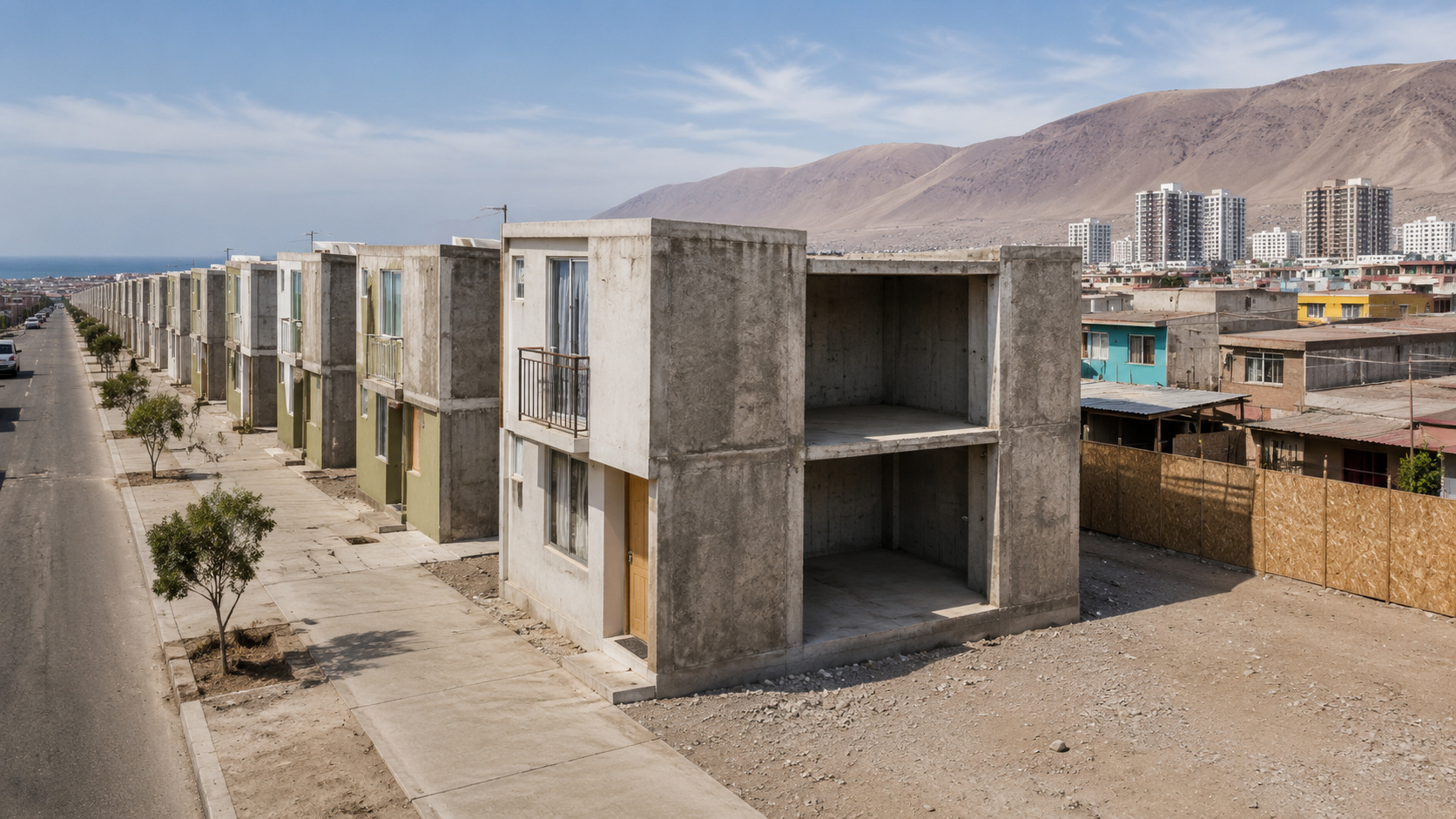
Instead of sending families far from the city, a project in Chile intentionally created incomplete houses on expensive urban land and left technical space for each to grow.
-
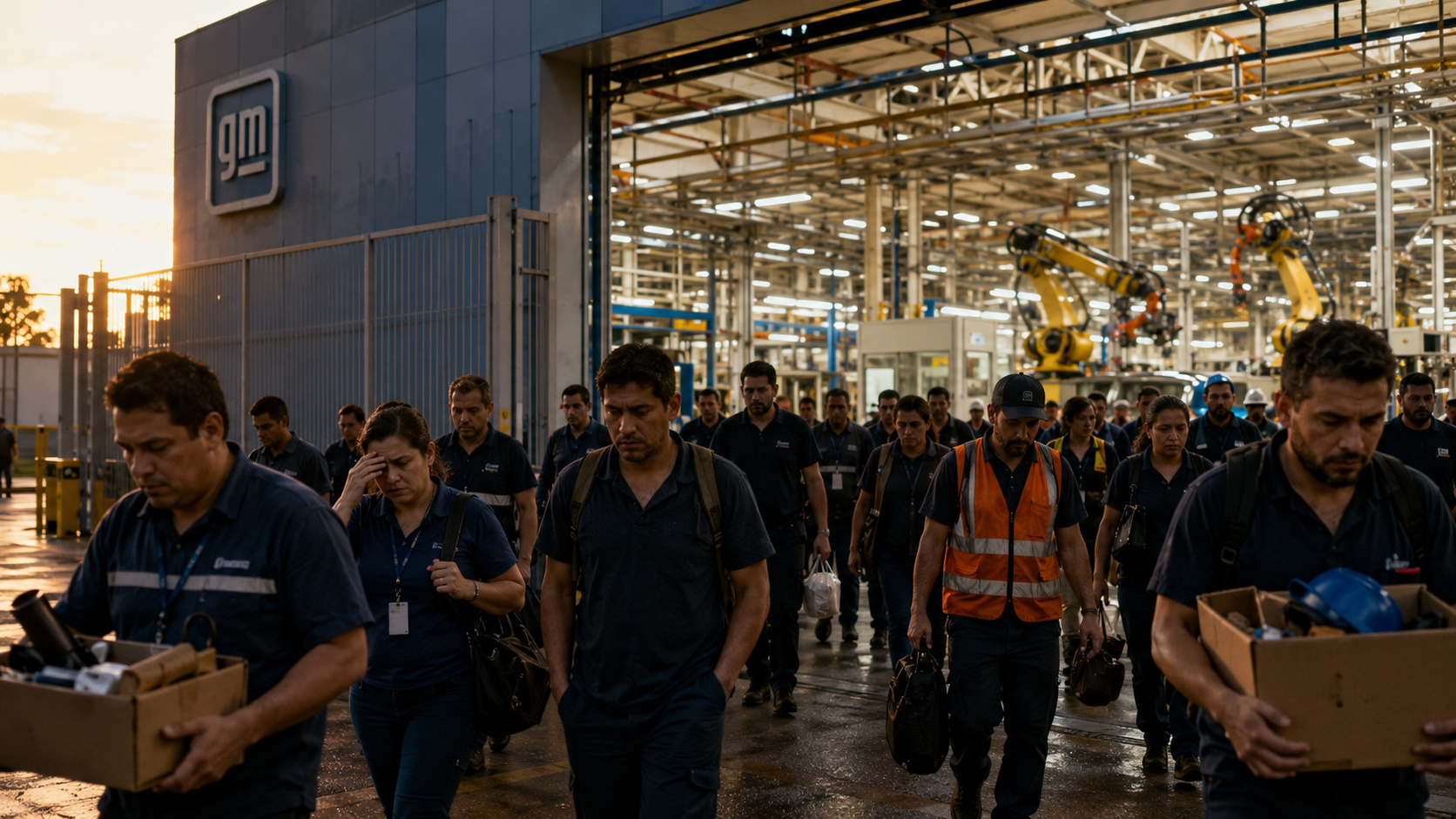
General Motors Replaces Over a Thousand Workers with 50 Cobots at Electric Vehicle Plant, UAW Union Criticizes Move Amid Industry’s Automation Push

How Does a Ship Pilot Operate?
According to an employee who works as a ship pilot in the ports of Pecém and Mucuripe, the profession of ship pilot is: “an activity that has existed worldwide since the dawn of navigation.” Here in Brazil, for example, it has been regulated since 1808.
In daily practice, the pilot professional works on a rotation scheme, with the aim of always having someone available when ships are near the ports.
“When a vessel is close to the port, the pilots board launches with specific characteristics, and we go to the pickup point of the Pilot. Here in Ceará, it is approximately five or six kilometers from the port, both in Pecém and in Mucuripe,” explains an offshore Pilot employee.