






 Portuguese
  Spanish


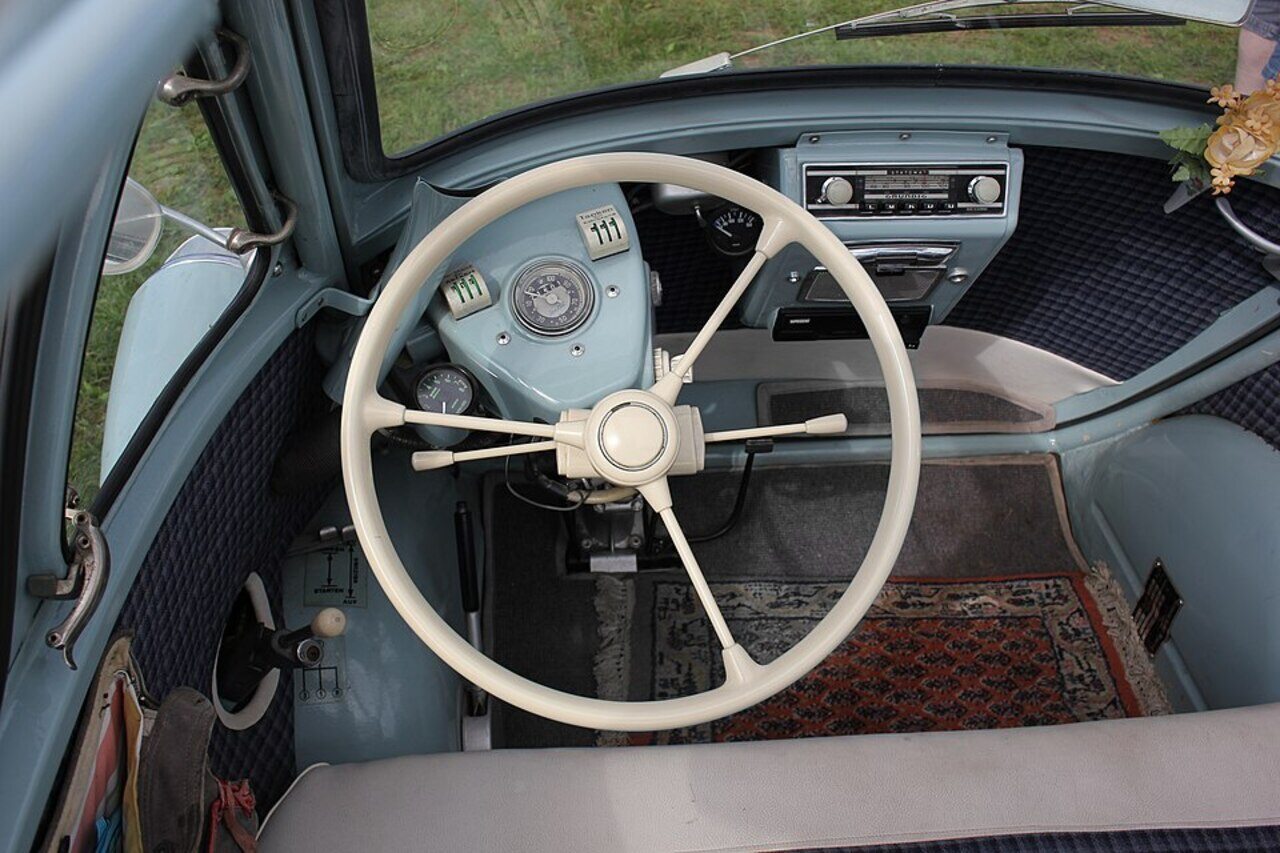


Launched in 1956 as the First Car Manufactured in Brazil, the Romi Isetta Became a National Symbol and a Coveted Item for Collectors
In September 2026, the Romi Isetta will celebrate 70 years since its launch. It was the first car manufactured in Brazil and made an impact cruising the streets of São Paulo in 1956, shortly after leaving the store of Companhia Distribuidora Brasileira Comércio e Indústria, on Rua Marquês de Itu.
Only 16 units were displayed in the beginning, but the impact was lasting. To this day, there are registered vehicles of the model in Detran-SP, and due to their historical value, some are valued at up to R$ 100,000.
The Romi Isetta was compact and charming. With a length of 2.28 meters, a two-stroke two-cylinder engine, a tubular chassis, and a single door, the car captured the public’s attention while it was for sale.
-
Ethanol or Gasoline: Fuel Price Shift Surprises Drivers Across Brazil After Oil Surge; Discover Where Costs Changed and Which Option Offers Better Value

-
Venezuela Once Known as ‘Saudi Arabia’ of Latin America Now Faces Stark Economic Decline
-
Discarded Coffins Found in Brazilian City Spark Mystery and Police Investigation
-
Rural Woman in Brazil Builds Her Own Earth House, Becomes Workshop Leader for Community Projects


Today, in addition to its historical value, the model also draws attention for the price it would have if it were still on the market, taking inflation into account since its debut.
Initial Price and Change in Rules
To determine this value, the first step was to identify the original price of the Romi Isetta in the 1950s. Initially, the car cost the equivalent of US$ 700.
This value quickly changed after alterations in the rules of the national automotive sector, especially after the establishment of GEIA (Executive Group of the Automotive Industry) and the publication of Decree 39,142/1959.
The new legislation limited tax incentives only to cars with at least 70% of parts manufactured in Brazil and capacity for four passengers.
Without Tax Exemption, Price Doubled
The Romi Isetta had only two seats, and as a result, lost the tax benefit. This caused its price to double, rising to US$ 1,400—approximately 60% of the price of a Beetle at that time.
The forced appreciation directly impacted the market and the model’s permanence in the country.
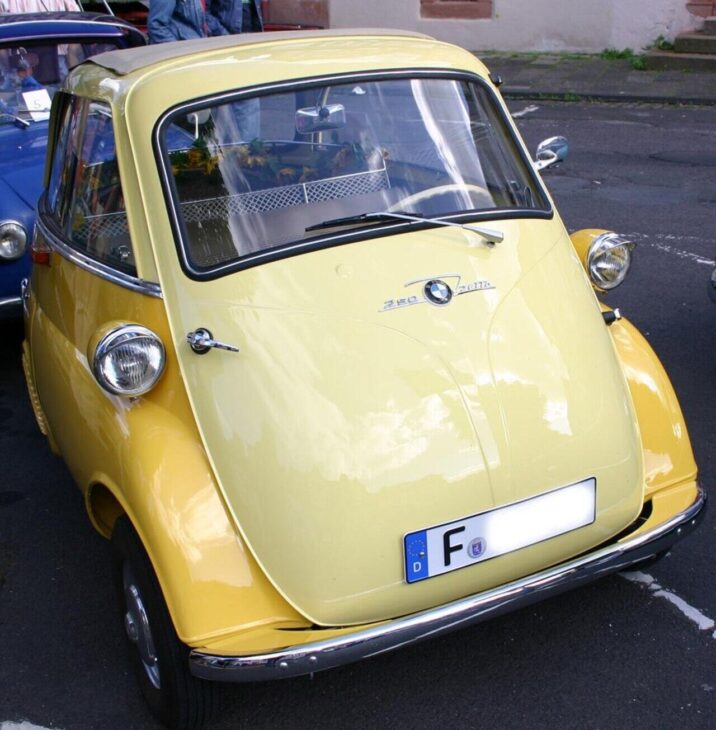
Historical Conversion to Cruzeiros
In 1956, the dollar was worth Cr$ 71.30. Thus, the Romi Isetta was initially sold for Cr$ 49,910.00, increasing to Cr$ 99,820.00 after the legislative change.
The calculation is based on a direct conversion between the value in dollars and the prevailing exchange rate in cruzeiros at the time.
Based on these numbers, the CT Auto team decided to crunch the numbers and apply inflation correction up to the present day.
Using the official calculator from the Central Bank of Brazil, and taking into account the IGP-DI index from Fundação Getúlio Vargas, the updated prices were revealed.
The version of the Romi Isetta launched before the exemption restriction would cost today R$ 37,860.51. The model sold after the creation of GEIA would have a corrected value of R$ 75,721.02.
The numbers show that the pioneering little car would have a significantly high price today, despite its modest size.
Collector Value Goes Beyond Inflation
The interesting thing is that even with the inflation adjustment, the updated value may still be lower than the price charged by collectors.
Some specimens in good condition, according to records from Detran-SP, already exceed R$ 100,000, highlighting the emotional and historical value of the Romi Isetta.
Information from Canal Tech.


