Portuguese
  Spanish


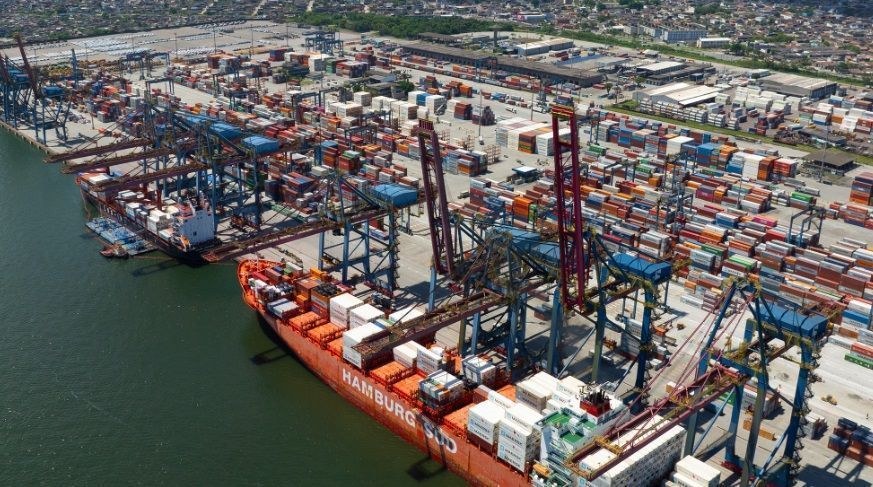
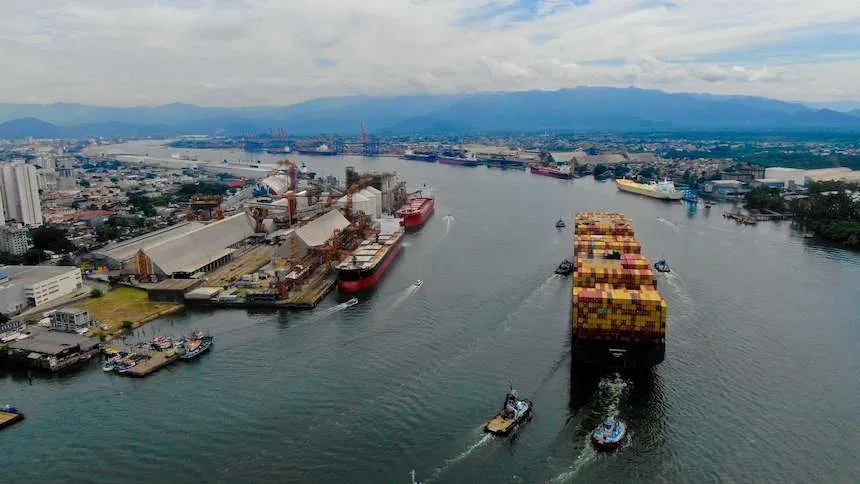
The largest port in Latin America has just gained a brain to organize its tracks: a R$ 2 billion control center that promises to synchronize the trains of the Port of Santos and put compositions up to 2.4 kilometers long circulating through the Baixada Santista.
The centerpiece of this turnaround is the Integrated Operational Control Center, the CCOI, inaugurated at the end of June to bring together in one place the planning of all the railways that reach the port. Instead of each operator running their trains at their own pace, the new center coordinates the flow in a unified manner, like an airport control tower, but for freight on tracks.
It may seem like a technical detail, but those familiar with the routine of Santos know the size of the bottleneck. We are talking about the port that ships a large part of the Brazilian harvest and industry, and every hour lost in the train queue turns into a truck stopped, a ship waiting, and costs at the end.
What changes with the new center
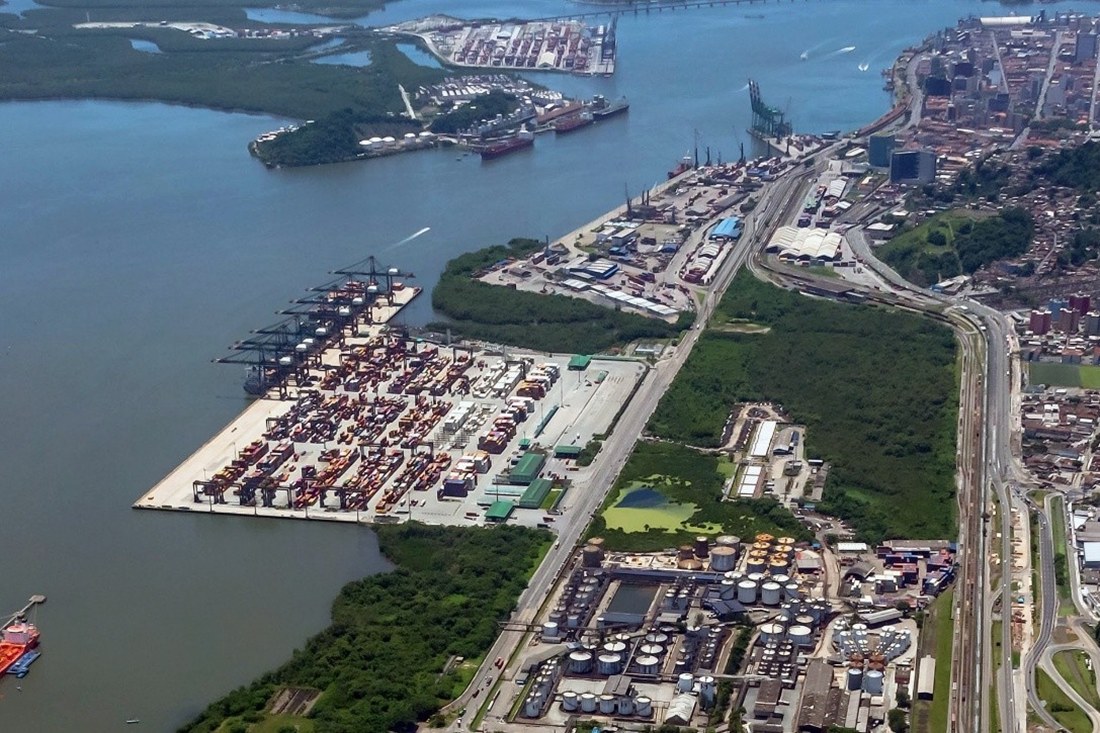
The total investment reaches R$ 2 billion in infrastructure and includes six new railway yards, Prainha, Jurubatuba, Quilombo, Areais, Campo Grande, and the first phase of the Santos yard. In practice, these are new lines and maneuvering areas that allow assembling and disassembling trains without blocking the rest of the network.
-
New Smart Radar Begins Issuing Fines to Solo Drivers in Carpool Lanes, Uses Cameras to Count Occupants, Changing Traffic Enforcement Rules on Busy European Roads

-
Brazil’s Port of Santos to Receive New $1.1 Billion Container Terminal, Tecon Santos 10, Set to Begin Operations in 2029

-
Why can the crane operator only obey the correct signalman on the construction site: among dozens of workers, a hand raised by the wrong person can confuse the maneuver and turn a load of tons into an immediate risk.
-
What changes with the new public transportation rules that can reduce pressure on fares and pave the way for zero fare in Brazil?


The most impressive gain is in the size of the compositions. Previously, the trains serving the port were about 1,000 meters. With the new structure, they can reach 2,400 meters, with 120 to 140 wagons each and a load per axle of up to 32.5 tons. It’s more than double the load pulled at once.
Fewer trucks on the streets of Santos and Cubatão
One of the most concrete effects appears outside the port. By pulling more cargo by rail, the system removes trucks from the streets of Santos and Cubatão, cities that have lived for decades with lines of trucks and heavy traffic of freight transport. Fewer trucks mean less congestion, less emission, and less wear on urban roads.
The operation is coordinated by four railway concessionaires, with MRS leading the synchronization. The promise is to reduce the travel time of compositions by about two and a half hours, a number that, multiplied by thousands of trips per year, turns into real efficiency.
The bet to double capacity
The stated goal is ambitious: to double the capacity of the railways serving the port within a 10 to 15-year horizon. It’s no small feat for a complex that already operates near the limit and competes with the ports of the Northern Arc for the position of the main cargo outlet in the country.
I imagine the ripple effect. If the trains gain scale, the terminals gain breath, the ships wait less, and the Brazilian product arrives cheaper on the other side of the world. It’s the kind of work that doesn’t appear in the pretty picture but decides who wins the logistics race.
Why this matters for everyone’s pocket
In the end, logistical efficiency is one of those invisible things that affect the price of everything. The cheaper it is to take the cargo from the interior and ship it in Santos, the more competitive the national product becomes abroad, and the lower the cost tends to be for the consumer here.
The Port of Santos is not building just another beautiful yard. It is setting up the intelligence that was missing to transform idle tracks into moving cargo, and that’s why this R$ 2 billion railway brain deserves attention.
Do you believe that investing in railways is the way to reduce Brazil’s export costs, or does the country still rely too much on trucks?