






 Portuguese
  Spanish


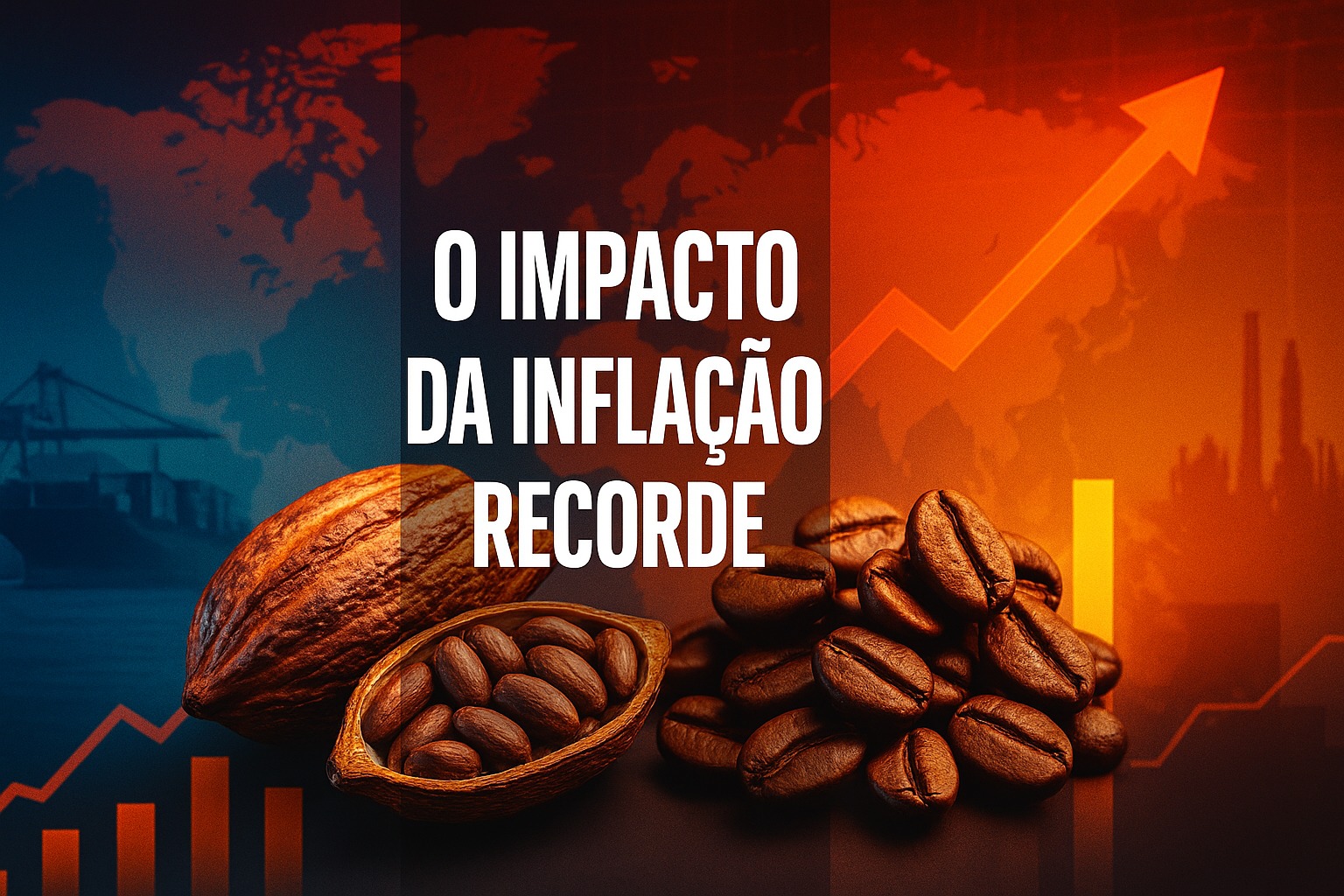


Nestlé Brazil Faces Rising Costs with Coffee and Cocoa, Bet on Innovation, Tradition, and Scale to Sustain Growth and Competitiveness in the Country
Nestlé has built a significant presence in Brazil over more than a century. Today, the local operation is the third largest in the group worldwide, behind only the United States and China. However, this weight comes with challenges that are becoming increasingly evident.
Input Inflation Pressures Operations
According to Marcelo Melchior, CEO of Nestlé Brazil, the company is facing one of the highest cost pressures ever recorded.
The surge in raw material prices, especially cocoa and coffee, has altered the logic of operations.
-
Brazil’s Federal Revenue Auction: iPhone 13 for $95, PlayStation 4 for $80, and Volkswagen Jetta for $2,600 Among 232 Lots Available

-
Tech Giant Oracle Lays Off 21,000 Employees and Invests $70 Billion in Artificial Intelligence

-
Chilean Giant Acquires St. Marche, Expanding from Discount to Premium Supermarkets in São Paulo’s High-End Retail Market
-
After 60 Years of Selling Cheap Milk, Brazilian Family Invests in $4,000 Equipment to Transform Farm’s Milk into Premium Sweets, Producing 2 Tons Daily and Aiming for $6.4 Million


“We had very high inflation. We’ve never seen inflation like this before,” the executive stated in an interview with the EXAME podcast.
The recent scenario shows that, even with double-digit revenue growth last year, the company experienced a decline in volume in 2024.
For an industry designed for high scale, volume loss represents a huge risk. This is because factories become inefficient, unit costs rise, and competitiveness decreases.
The Weight of Cocoa and Coffee
A large part of the pressure comes from the international market. In the case of cocoa, about 70% of the input used in Brazil is local, but there is still 30% imported from West Africa, a region marked by climate instabilities.
On the other hand, the coffee used by Nestlé is fully certified and sourced in the country. The company operates within the Coffee Plan program, which ensures traceability and quality.
Even so, climate problems, such as droughts and fires, have resulted in smaller and less valued beans, impacting the entire supply chain.
Daily Responsibility to the Consumer
Nestlé’s strength in Brazil is tied to everyday consumption. Low-ticket items, such as biscuits, chocolate drinks, and condensed milk, are present in 99% of households.
This recurrence imposes a significant responsibility. A mistake in quality, availability, or price can mean the immediate loss of a consumer. “If I fail today, tomorrow you won’t buy anymore,” Melchior emphasized.
For this reason, the company seeks consistency. The commitment is to maintain product standards, shelf availability, and price competitiveness.
Exports: Small Impact, Focus on Brazil
Despite its global relevance, the Brazilian operation maintains an almost exclusive focus on the domestic market. Less than 10% of revenue comes from exports.
Thus, external measures, such as barriers imposed by other countries, have a reduced effect.
“The industrial design is made to serve the Brazilian consumer,” explained the president.
Innovation Without Losing the Classics
A central point of the strategy is to balance tradition and modernity. According to Melchior, iconic products — such as Leite Moça, Ninho, and chocolates — need to be kept alive and profitable. Only then can the company create a solid foundation to invest in new products.
In recent years, Nestlé has made gradual changes, such as reducing sugar and sodium, adding vitamins, and using sustainable packaging. All this without altering the essence of the flavor.
Before reaching the market, each launch undergoes a test called the 60-40 test. This means that in blind tastings, at least 60% of consumers should prefer the Nestlé product over competitors.
Acquisitions are also part of the strategy, but they are not treated as the main engine. Deals like Garoto (2016), Pura Vida (2021), and Grupo CRM (2023), which owns the brands Kopenhagen and Brasil Cacau, were moves that accelerated the presence in strategic categories.
“The purchase can be an accelerator, but it is not the strategy,” the CEO reinforced.
Global Results of Nestlé and Outlook
In February 2025, global Nestlé announced sales growth above expectations. Volume growth, from 0.7% to 0.8% in 2024, was sustained by price increases in inputs such as coffee and cocoa. However, the profit margin narrowed.
According to global CEO Laurent Freixe, this reduction is temporary, as the group is heavily investing in growth.
In Brazil, Melchior projects a new positive cycle. Despite high input inflation, the expectation is to maintain double-digit growth this year.
What Explains the Record Inflation
Agricultural commodities are experiencing a moment of instability. In the case of coffee, the El Niño phenomenon has reduced robusta harvests in Vietnam and Indonesia.
In addition, adverse weather in Brazil compromised blooming and reduced the quality of the beans.
Cocoa, on the other hand, faces deeper limitations. A large portion of the production is concentrated in Côte d’Ivoire and other West African countries.
Moreover, cocoa crops do not have as adaptable seeds as other crops, making them more vulnerable.
According to researcher Felippe Serigati from FGV Agro, this combination of fragile supply and increasing demand makes the commodity even more susceptible to shocks.
Meanwhile, milk is experiencing a recovery phase, favored by falling corn prices, the main input of feed.
Challenging Balance
The current picture shows an agribusiness in search of balance. For Nestlé, the next steps involve maintaining scale, investing in productivity, and reinforcing consumer confidence.
The challenge is daily. However, with a presence in almost every household in the country, the company relies on its historical strength and bets on innovation to remain relevant even in such an unpredictable cost scenario.
With information from Exame.


