Portuguese
  Spanish



Cristiano Pinto, President of Shell Brazil, States That Oil Will Remain Essential for More Than a Decade While the Country Faces the Dilemma of Profit, Jobs, and Energy Transition.
While governments, environmentalists, and international organizations increasingly talk about energy transition, the executive who leads Shell in Brazil follows an opposite path. For Cristiano Pinto da Costa, President of Shell Brazil, oil will not only remain relevant but will continue to be the backbone of the global energy system for many years.
Leading the largest oil and gas operation of Shell in the world outside the British headquarters, he argues that trying to abandon fossil fuels too quickly could jeopardize economic growth, energy security, and energy prices.
Cristiano Pinto Sees Oil as the Foundation of Energy Security
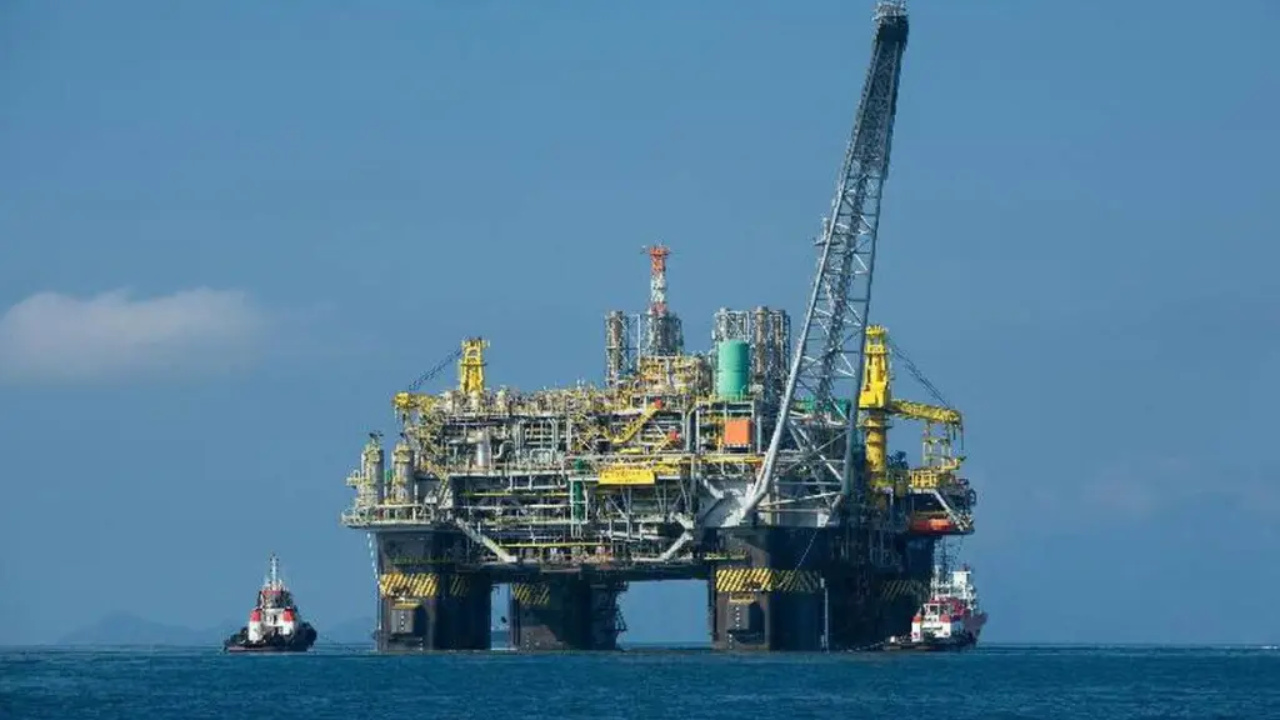
Cristiano joined Shell in 1996. Since then, he has witnessed Brazil transition from being an importer to becoming one of the ten largest producers of oil in the world. Today, under his leadership, Shell Brazil produces around 450,000 barrels of oil equivalent per day, second only to Petrobras.
-
Petrobras Explores Entry into Corn Ethanol Market, Aiming to Become a Biofuel Giant

-
Brazil’s $8.5 Billion Auction Secures New Power Plants to Prevent Peak Hour Energy Shortages
-
Why Gasoline Prices Remain Stable: How Petrobras’ Subsidies and Pricing Policies Control Fuel Costs in Brazil
-
SpaceX Plans 13 km Pipeline to Reduce Truck Reliance and Speed Up Starship Rocket Launches in the U.S.


In the executive’s view, the narrative that the world can quickly forgo oil ignores the reality of global consumption and infrastructure.
“The world is facing challenges of growing global demand, energy security, and a just transition, which involves ensuring energy at affordable prices.”
For him, these three factors make it impossible to simply remove oil from the equation.
Cristiano Pinto claims that global consumption of oil will continue to rise until the middle of the next decade. Only after that will usage begin to stabilize and eventually decline.
Additionally, there is a technical factor that weighs against a rapid reduction in production.
Oil and gas fields naturally lose between 7% and 10% of production per year. In other words, even if global consumption did not increase, new investments would be necessary just to maintain the current supply.
According to him, this explains why the world will continue to need oil for many years.
Without New Wells, Brazil May Go Back to Importing Oil
In Shell’s view, halting exploration of new areas poses a huge economic risk for Brazil.
“Without new discoveries, Brazil may revert to importing oil in the coming years, reversing a highly positive scenario for the trade balance.”


Data from ANP shows that the number of wells drilled today is practically the same as it was more than ten years ago. This means that the pace of discoveries is not keeping up with production growth.
In 2024, oil was the main item of the Brazilian trade balance, reinforcing its weight in the economy.
For Cristiano, the energy transition is not just about changing sources. It’s about balancing growth, stability, and energy costs.
“The energy transition is something much more complex than simply replacing one source with another.”
According to him, recent international conflicts have shown how fragile energy security is. Moreover, countries in the southern hemisphere need cheap energy to grow. And, in this scenario, oil is still decisive.
In your opinion, should Brazil follow Cristiano Pinto’s view and continue exploring oil for decades, or does the country risk getting stuck in a model that may become obsolete?