Portuguese
  Spanish


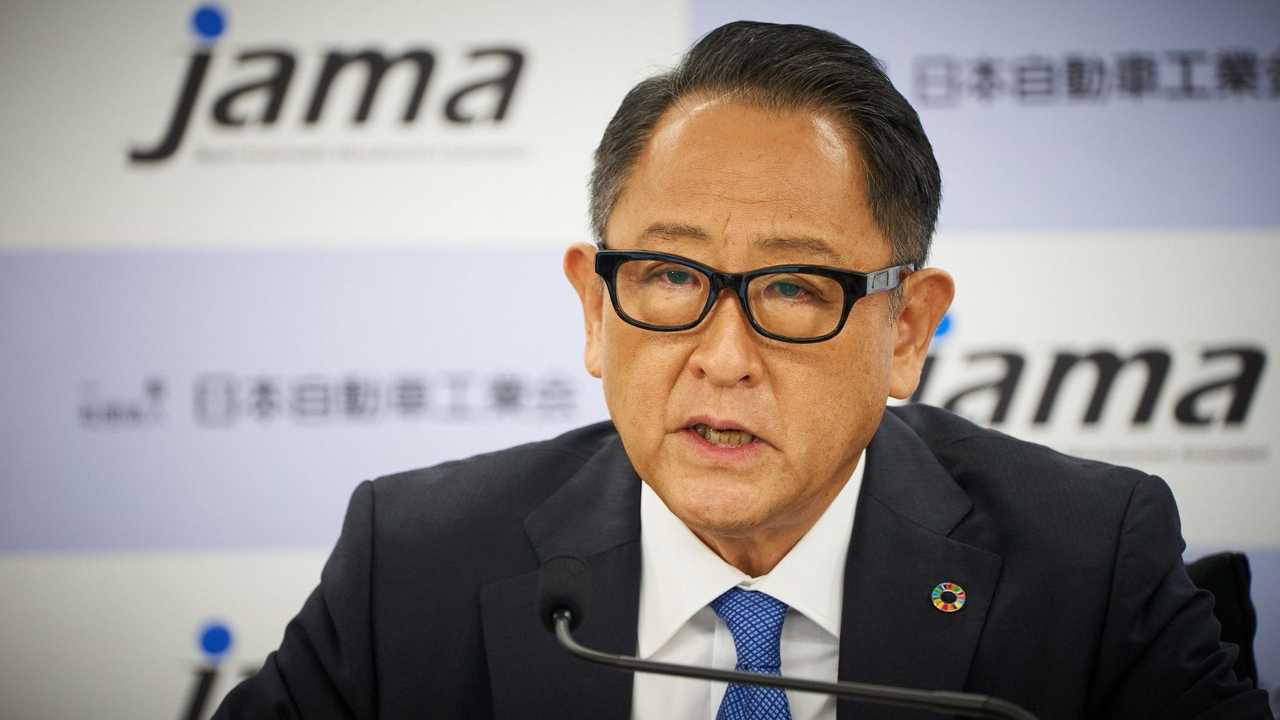

The President of Toyota, Businessman Akio Toyoda, Does Not Hide from Anyone About His Disdain for Electric Vehicles. Last Weekend He Spoke a Little More About His Opinion.
People involved in the automotive market are somewhat silent regarding electric vehicles, as the market is heated; however, according to him, people think it is an exaggeration to bet everything on electric vehicles. And due to the high trend, most prefer not to comment on the subject.
Even being one of the pioneers in the electric car industry, decades ago Toyota launched the hybrid-electric powertrain for the mass market, which debuted the Prius and proliferated to the entire line. The CEO of Toyota claims that if governments banned combustion-powered cars, factories could collapse and it could lead to energy problems.
Although hybrid cars may seem like a significant advancement, they were not a radical change for industries that have become accustomed to adjusting the internal combustion engine ad nauseam to compensate for deficiencies. Hybridization added electric motors to make the car roll and assist at low speeds, where fossil fuel vehicles are not as good.
-
He surpassed the Tera, Creta, and Tracker: With a TSI engine of up to 150 hp, 6-speed automatic transmission, and a 373-liter trunk, the Volkswagen T-Cross was the best-selling SUV in June, with 11,753 registrations.

-
It looks factory-made, but it came out of a workshop: a mechanic from Pernambuco builds a handcrafted “mini Toyota,” drives it through the streets, and the video goes viral on social media, leaving residents astonished.

-
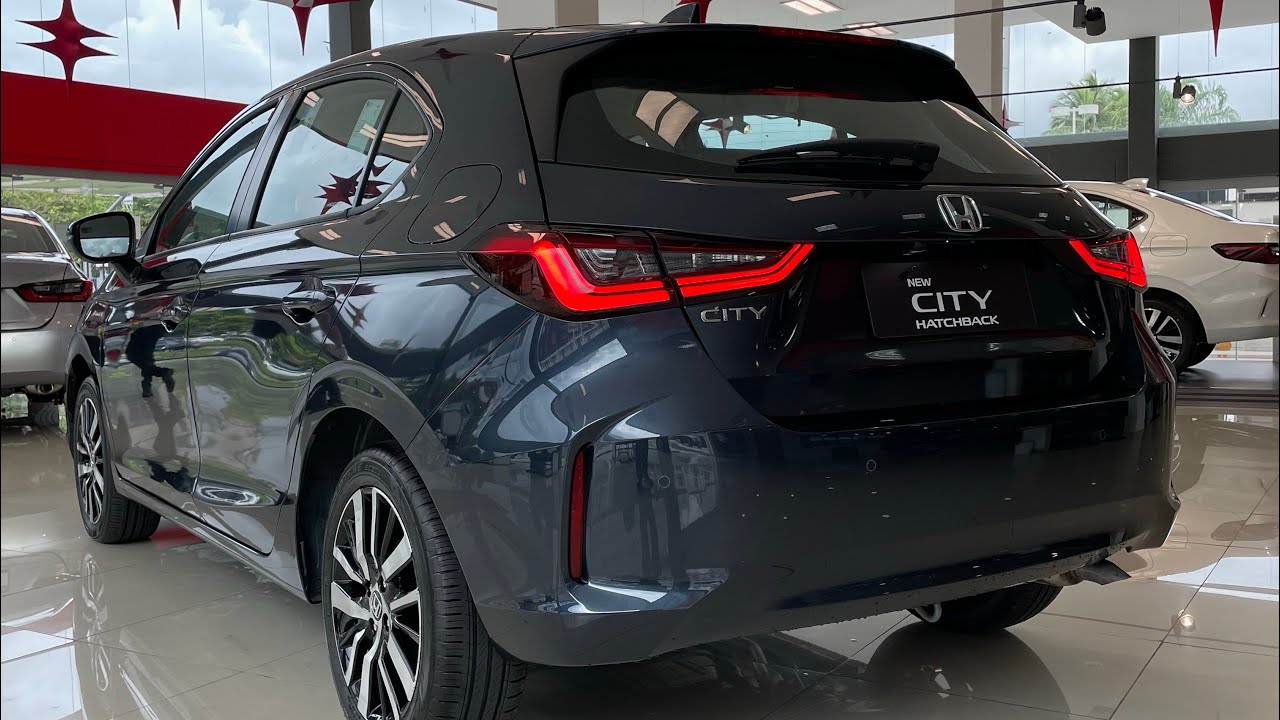
Hatch with sedan space and 1.0 car consumption: equipped with a 1.5 engine with 126 hp, CVT transmission with seven simulated gears, and consumption of up to 17.4 km/l, this used Honda delivers technology, comfort, and reliability; meet the 2022 Honda City Hatch Touring.
-
End of an era in Brazil: beloved sedan by Brazilians is discontinued despite having a 2.0 engine with 151 hp, CVT transmission, 466-liter trunk, and up to 650 km of range.


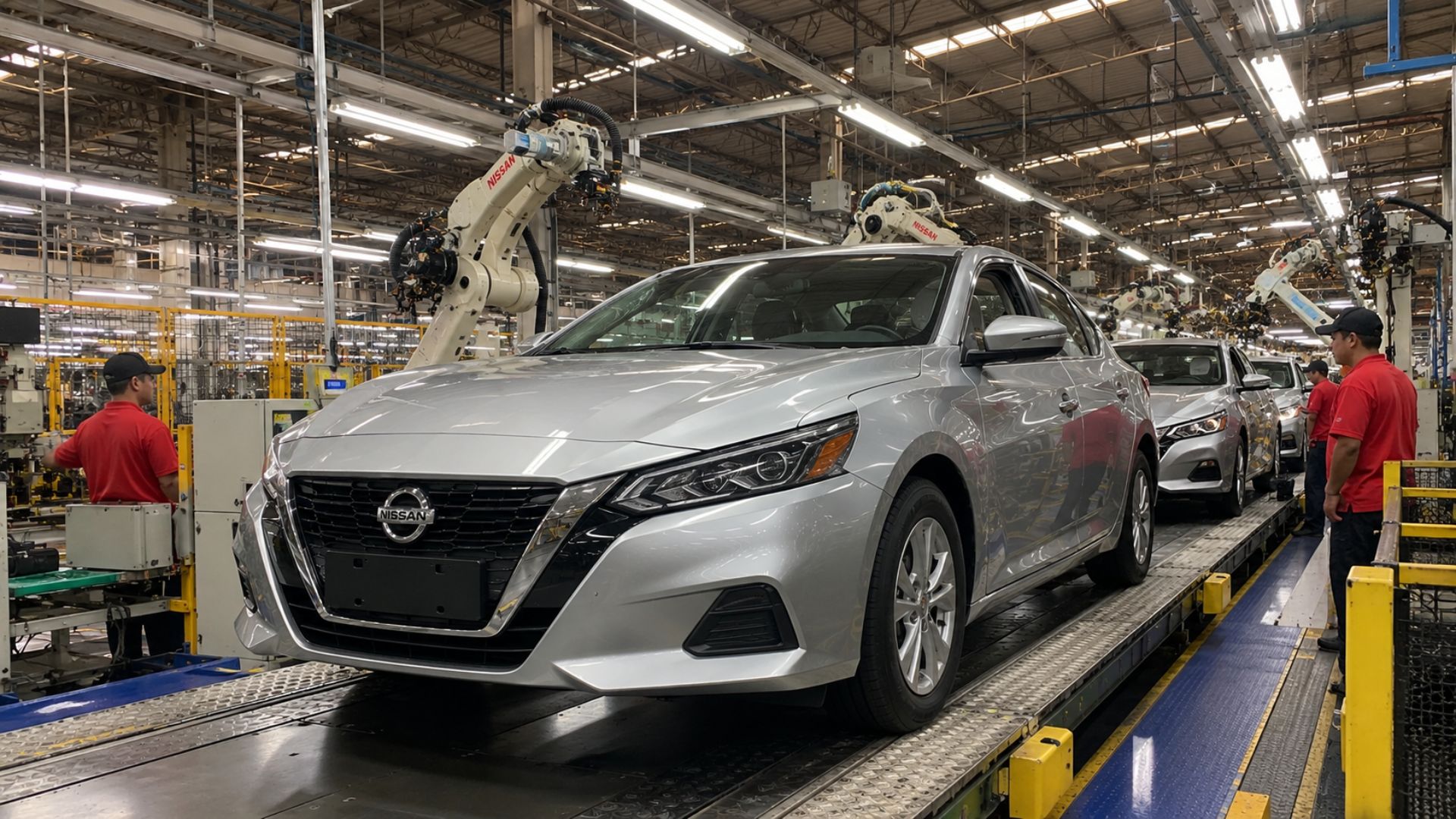
Although automakers always have the best teams of mechanical engineers at their disposal, specialized in squeezing tenths of a percent from combustion engine technology, the same cannot be said for electric motors; despite knowing how to handle them, it is not their specialty. This will open a precedent for electrotechnical engineers to show their full potential.
From this perspective, the adoption of hybrid technology should not be seen as a stepping stone to the future of electric cars, but as another effort to prolong the reign of the internal combustion engine.
TOYOTA: Why Does It REFUSE to Join the Wave of ELECTRICS?!

Despite the growing manifestation in favor of electric vehicles, the president of Toyota goes against this and claims that banning fossil fuel-powered cars entirely is shooting oneself in the foot.
While the world is excited about electric vehicles, to the point that some governments want to ban fossil fuel-powered cars to adopt only the hybrid model, Akio Toyoda, president of Toyota, declares that the world is still not prepared for such a drastic change.
He cites Japan as an example, one of the main countries that aims to replace its entire fleet with electric vehicles by 2030. According to Toyoda, Japan uses coal as its primary means of generating energy, which is a polluting energy source; increasing this use could not only lead the country into a collapse in the energy sector but also reinforce the fact that coal is a polluting energy source.
Furthermore, the theft from Japanese coffers would be too high, potentially leading the country to face serious financial problems.
Despite all the excitement surrounding electric cars, Toyoda urges caution when making such a radical transition.