Portuguese
  Spanish


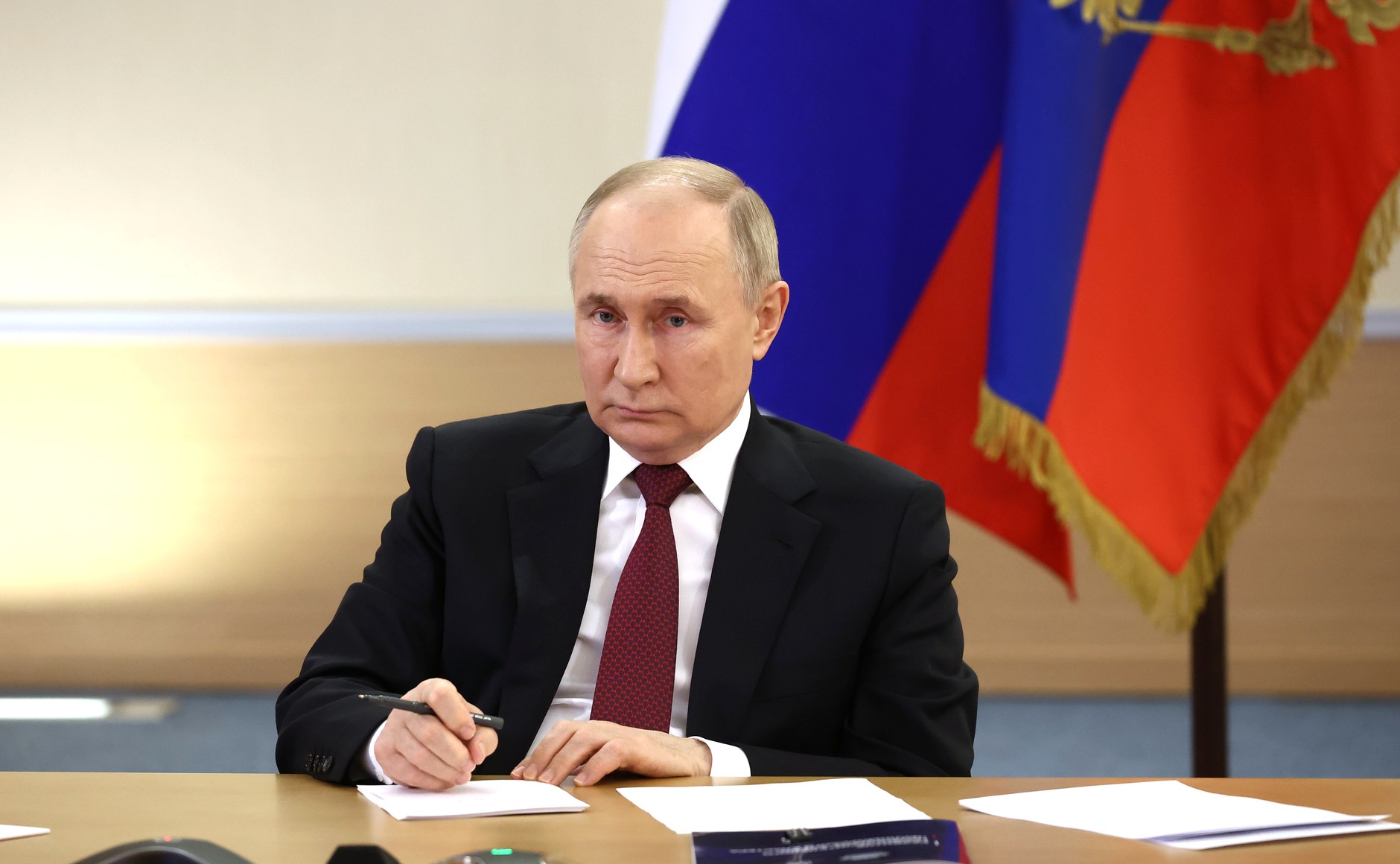


In A Slip, Vladimir Putin’s Cousin Accidentally Revealed A Secret Number That May Have Significant Implications In The Conduct Of The War In Ukraine.
Putin’s second cousin may have accidentally revealed sensitive information related to Russian casualties in the war in Ukraine. She let slip a secret figure that, according to analysts, may be linked to the actual numbers of casualties suffered by Russia in the conflict.
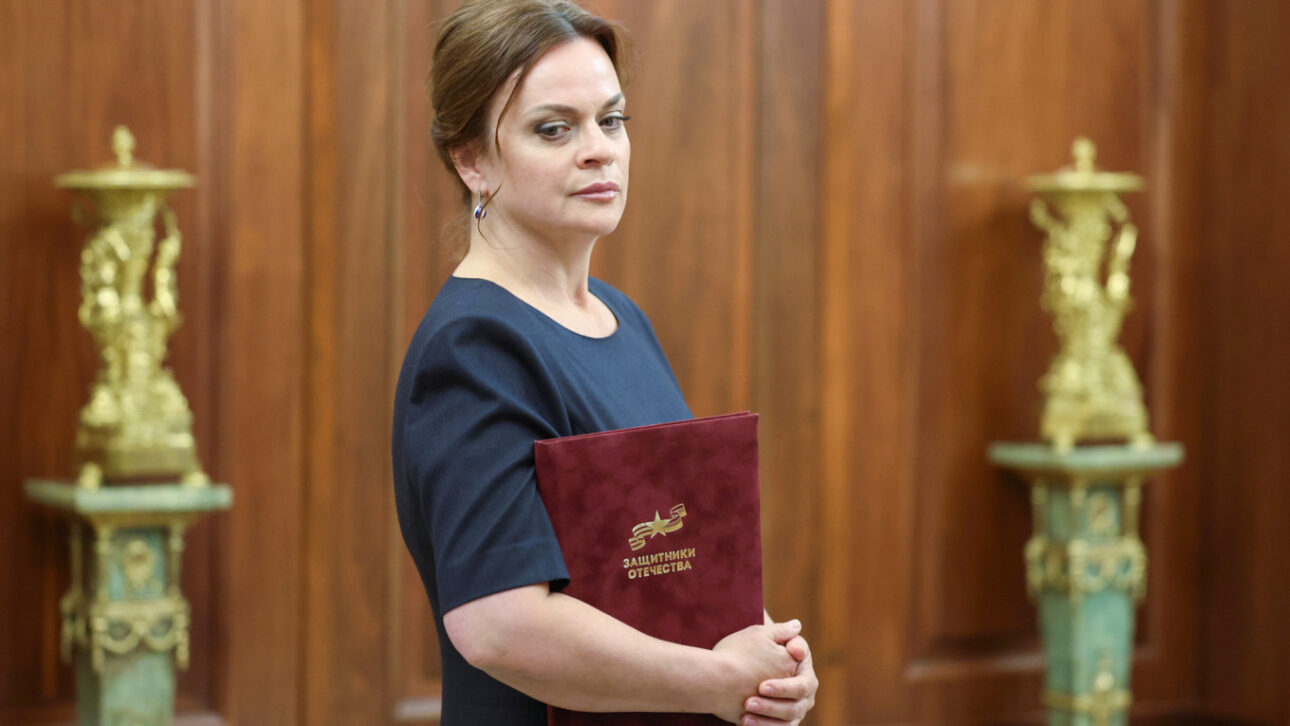
Anna Tsivilyova, daughter of a cousin of Vladimir Putin and deputy defense minister, revealed that the government received 48,000 requests from soldiers’ relatives for DNA analysis.
The figure, mentioned by her in a video, reinforced speculation about the scale of Russian casualties in the war against Ukraine.
-
The Arctic is no longer just a frozen region and is becoming a new military board with the opening of maritime routes, expansion of bases, nuclear icebreakers, and competition among Russia, NATO, the United States, and China.

-
U.S. Dismisses Brazilian Foreign Ministry’s Military Risk Warning as “Absurd,” Cites Brazilian Criminal Gangs Operating in the U.S. Since May 2026
-
Ukraine War Impacts Brazilian Fuel Supply: Russian Diesel Imports Drop 65% in June, Brazil Turns to US and India Amid Market Concerns

-
Chinese Nuclear Submarine Launches Simulated Warhead Missile in Pacific, Heightening Regional Tensions Amid Naval Drills with Russia Near Qingdao; New Zealand and Papua New Guinea Warn of Persistent Chinese Military Presence



The statement occurred at a public meeting broadcast by the State Duma, the lower house of the Russian Parliament.
In a video released by the independent Astra Telegram channel, Tsivilyova stated that the Ministry of Internal Affairs stores DNA samples to assist families searching for missing persons. “I already said 48,000,” she declared, before being warned by Andrei Kartapolov, head of the defense committee, not to disclose those numbers.
Sensitive Figure Triggers Immediate Reaction
Kartapolov quickly interrupted Tsivilyova. He warned about the sensitivity of the data, asking that the figure not be used in official documents or statements. According to him, information related to the missing and casualties is “very sensitive and closed.”
Tsivilyova tried to justify herself, stating that the number refers only to requests from relatives, and not to the confirmed number of casualties or missing persons.
However, the attempt to contain the damage came too late. The recording of the hearing circulated widely on social media, even though it was removed from the State Duma’s official website the next day, according to Reuters.
Putin’s Military Casualties: A State Secret
Since the beginning of the conflict, neither Russia nor Ukraine has released official numbers regarding their military casualties. However, Western intelligence sources estimate that Russian casualties include around 200,000 dead and 400,000 wounded.
These numbers are consistent with the latest reports from Ukrainian authorities, which point to an average of 1,500 daily casualties among Russian forces.
Last month, Ukrainian forces stated that Russia experienced over 2,000 casualties in a single day, a milestone in the hostilities. Sir Tony Radakin, chief of the UK Defense Staff, noted that Russian forces are approaching a total of 700,000 casualties, including deaths and injuries. He characterized the impact of the war on the Russian people as “extraordinary.”
Counterpoints And Controversies
The inadvertent disclosure by Tsivilyova fuels the debate about the transparency of Russian authorities regarding the impact of the war. Both Russia and Ukraine frequently release numbers about enemy casualties but dismiss enemy estimates as exaggerated.
The episode involving Putin’s cousin highlights the atmosphere of tension in Moscow concerning the confidentiality of war-related information. For experts, the number revealed by Tsivilyova may be just the tip of the iceberg, indicating that the magnitude of Russian casualties remains a taboo, protected by strict government controls.
The war, which is approaching three years, continues to devastate lives and raise questions about the human and social costs of the conflict for both sides.