Portuguese
  Spanish


On A Small Island In Japan, An Ingenious Solution Is Giving New Destination To Cow Manure: The Transformation Of Organic Waste Into Hydrogen, Used As Clean And Sustainable Fuel
On the island of Hokkaido, Japan, what was once an environmental problem has turned into clean fuel. In Shikaoi, a pioneering project is transforming cow manure into hydrogen. The unusual proposal stems from the need to deal with tons of bovine waste while simultaneously seeking renewable sources of energy.
The initiative utilizes cow manure and urine to produce biogas, which is then converted into hydrogen. The clean fuel generated is used to power vehicles, heat local facilities, and reduce emissions of harmful gases.
Fuels From Manure: A Solution For Methane
Hokkaido is home to one of the largest concentrations of dairy cattle in Japan. With over a million cows, the island produces about 20 million tons of manure each year.
-
Brazil on Track for Record 40.7 Billion Liters of Ethanol in 2026/27 Season, Driven by Corn Ethanol
-
Petrobras Approves $1.2 Billion Refinery in Brazil to Produce Aviation Fuel and Diesel from Plants

-
US$ 7 billion, green hydrogen, and steel with up to 95% less CO₂: the first green steel plant on the planet emerges in Sweden and targets Brazil as the next chapter

-
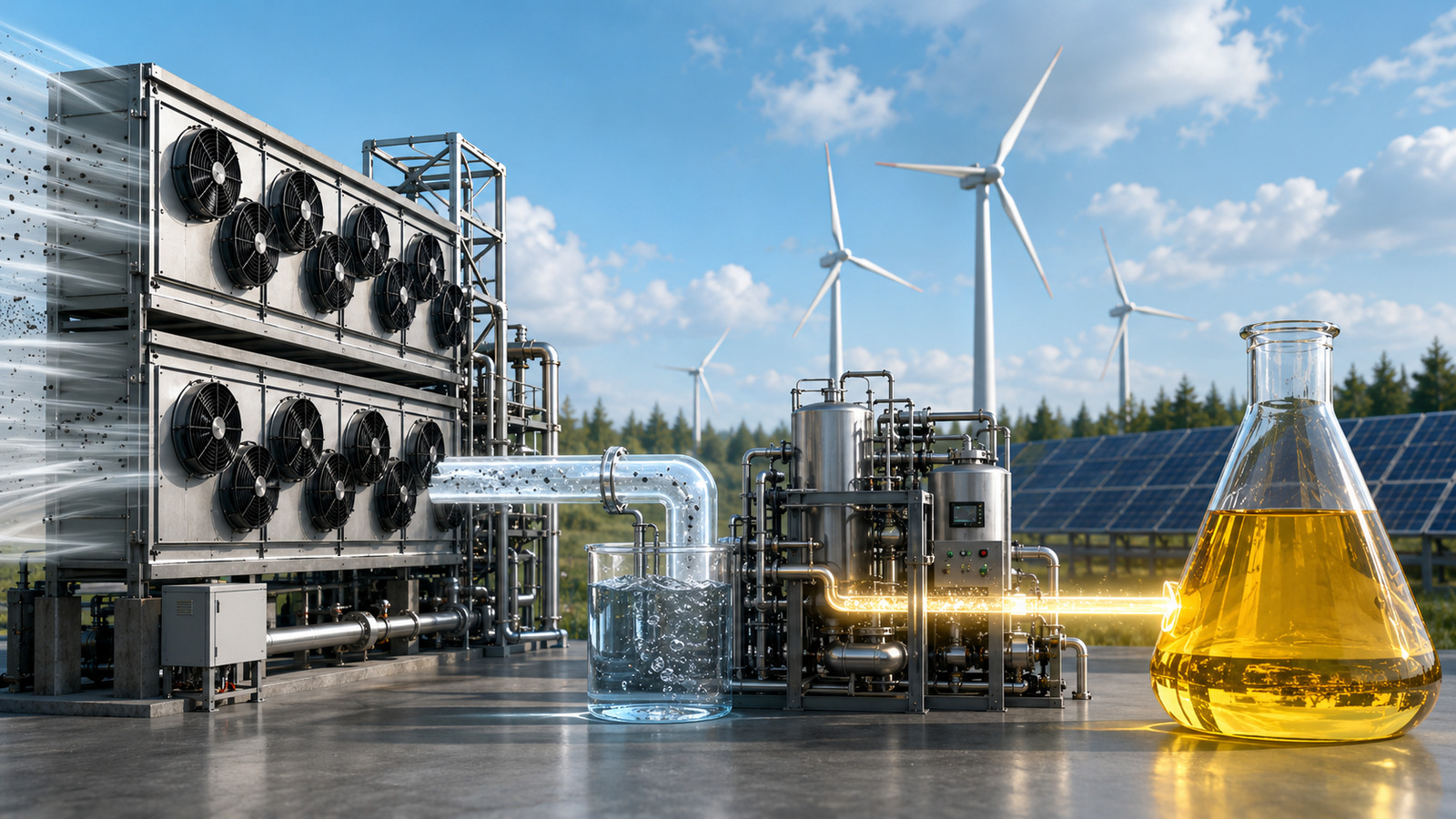
Swedes manage to create synthetic fuel with CO₂, water, and renewable energy, compatible with current engines, but face a huge problem: the energy expenditure is still double the return.


This waste, if untreated, releases methane— a gas with global warming potential 80 times greater than carbon dioxide over a 20-year period.
To tackle this environmental impact, the Shikaoi Hydrogen Farm project began collecting waste from nearby farms. The material is processed in an anaerobic digester, where bacteria break down the organic matter and produce biogas.
The generated biogas contains methane, which is separated and, through a steam reforming process, transformed into hydrogen. This hydrogen, in turn, becomes clean fuel for tractors, cars, and even heaters.
Hydrogen In Use In The Field
The project produces about 70 cubic meters of hydrogen per day. This volume is sufficient to fuel up to 28 vehicles, including tractors, forklifts, and other agricultural equipment that are difficult to electrify with batteries.
The fuel is also used to heat local buildings, such as the Obihiro Zoo and sturgeon breeding facilities. In this way, the project helps to replace fossil fuels in areas where access to clean energy is often limited.
Hydrogen production also offers a viable alternative for rural and industrial transport. The substitution of diesel and gasoline with renewable and local fuels contributes to the reduction of pollutant emissions.
Nothing Is Wasted
In addition to hydrogen, the process generates economically valuable byproducts. The solid waste remaining from the digester becomes fertilizer for the region’s agricultural fields. The formic acid obtained can be used as a preservative for animal feed.
This approach values all components of the process and avoids soil and river contamination with organic waste. The model promotes energy self-sufficiency and reduces dependence on chemical fertilizers, strengthening the rural economy of the region.
Costs And Limitations
Despite the technical success, hydrogen production still faces financial challenges. Storing and transporting this gas requires specific and costly infrastructure. It must be kept under high pressure or in a cryogenic liquid state, at temperatures of up to –253°C.
Its low energy density by volume requires larger tanks than those used with fossil fuels. Moreover, the current cost of production exceeds that of conventional fuels. Therefore, the project subsidizes hydrogen so that it reaches the same price as gasoline.
The expectation is that as demand increases, costs will decrease. But for now, the expansion of the technology depends on financial support and public incentives.
Other Experiences In Japan
The Hokkaido model is not the only one in the country. In Fukuoka, another Japanese city, a sewage treatment station transforms human waste into hydrogen. There, it is possible to produce up to 300 kilograms of gas in just 12 hours, fueling about 30 trucks.
This practice shows how Japan has been seeking local energy solutions, using materials available in each region. In addition to cows and humans, other waste sources are being tested: pigs, chickens, sugarcane bagasse, coconut husks, and more.
Each material requires specific techniques, but the goal is the same—to transform waste into clean energy and reduce the environmental footprint.
Clean Fuels: A Path With Potential
The Japanese proposal to convert organic waste into hydrogen demonstrates how it is possible to tackle three problems at once: excess waste, dependence on fossil fuels, and emissions that cause climate change.
Even with technical and economic obstacles, initiatives like the one in Shikaoi represent a concrete change. They point toward a more local, sustainable, and circular energy model.
While costs remain high, the potential to replicate this type of project in other regions with a surplus of organic waste presents an opportunity to transform environmental challenges into energy solutions.
With information from Eco Inventos.