






 Portuguese
  Spanish


With Public Policies and New Plants, the Country Stands Out as an Emerging Power in Clean Energy
Brazil has been steadily increasing its biogas production capacity, primarily from organic waste in landfills. The expectation is for accelerated growth by 2030, reinforcing the country’s strategic role in the global energy transition.
Accelerated Growth of National Biogas Production
According to data from the Brazilian Biogas Association (Abiogás), the country already has 11 plants in operation, producing approximately 840 thousand cubic meters of biogas per day. With the expected addition of 32 more plants in the short term, production could grow by another 1.4 million cubic meters daily. The association’s projection is to reach a mark of 8 million cubic meters per day by 2030, consolidating Brazil as one of the largest global powers in the renewable fuels sector.
Transformation of Waste into Renewable Energy
Biogas is obtained from the purification of biogas generated by the decomposition of organic waste. This process helps reduce methane emissions, a greenhouse gas more aggressive than carbon dioxide. Furthermore, the fuel can replace fossil-derived natural gas in various industrial and vehicular applications, becoming a sustainable and economically viable alternative. Production from landfills also offers an efficient solution for leveraging urban waste.
-
Brazilian scientists are simultaneously advancing two research projects on clean hydrogen and driving solutions that could transform the energy matrix, enhance industrial competitiveness, and accelerate large-scale emission reduction targets.

-
Advancement in renewable energy: A R$ 150 million project launched by Petrobras and Finep aims to create state-of-the-art electrolyzers for green hydrogen, strengthening national research and preparing Brazil to compete in a billion-dollar energy market.
-
Illiterate or semi-literate grandmothers were trained to repair solar systems, open rural workshops, and light up homes that still depended on kerosene.
-
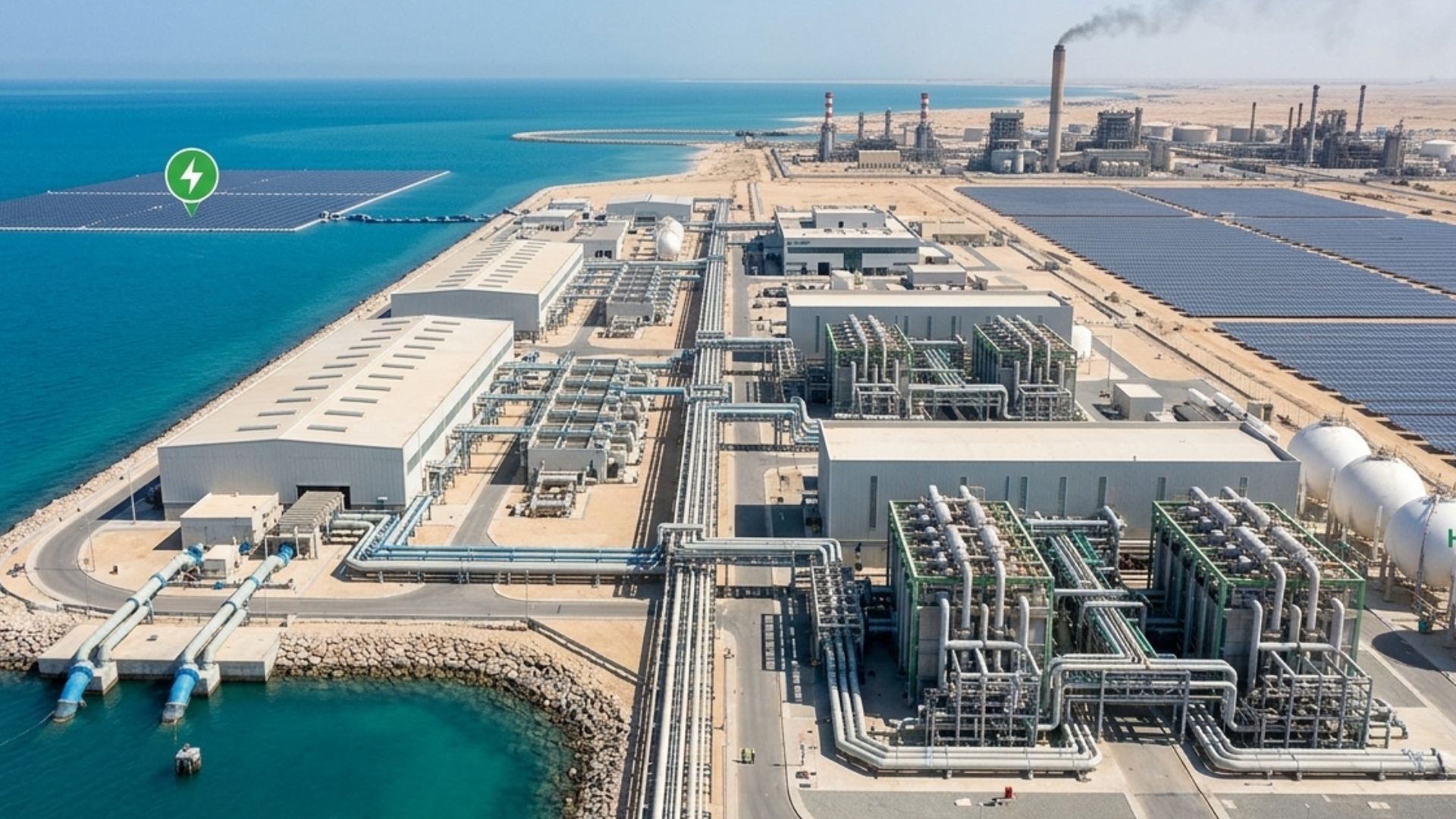
The world has bet on green hydrogen as the fuel of the future, but now faces the side effect: producing 1 kilogram requires about 9 liters of ultrapure water, and the largest projects on the planet are precisely in the driest regions of the Earth, where water is already scarce for people.




Public Policies and Energy Leadership
The expansion of biogas in Brazil is driven by regulatory milestones such as the Future Fuel Law and initiatives from major companies. Petrobras, for example, has already launched a public call for the purchase of the fuel, aiming to reduce greenhouse gas emissions from natural gas production by up to 10% by 2030. This regulatory landscape has created a favorable environment for attracting investments and advancing technology in the sector.
Expectations for COP30 and Environmental Leadership in the Biogas Sector
With its increasing production capacity, Brazil intends to present significant advancements in the biogas sector during COP30. The goal is to stand out as a committed country to decarbonization, innovation in clean energy, and valuing waste as energy assets. Brazilian potential combines large generation of organic waste with energy infrastructure and agro-industrial vocation, consolidating the country as one of the leading candidates for leadership in the new green economy.








