






 Portuguese
  Spanish
  2 min of reading


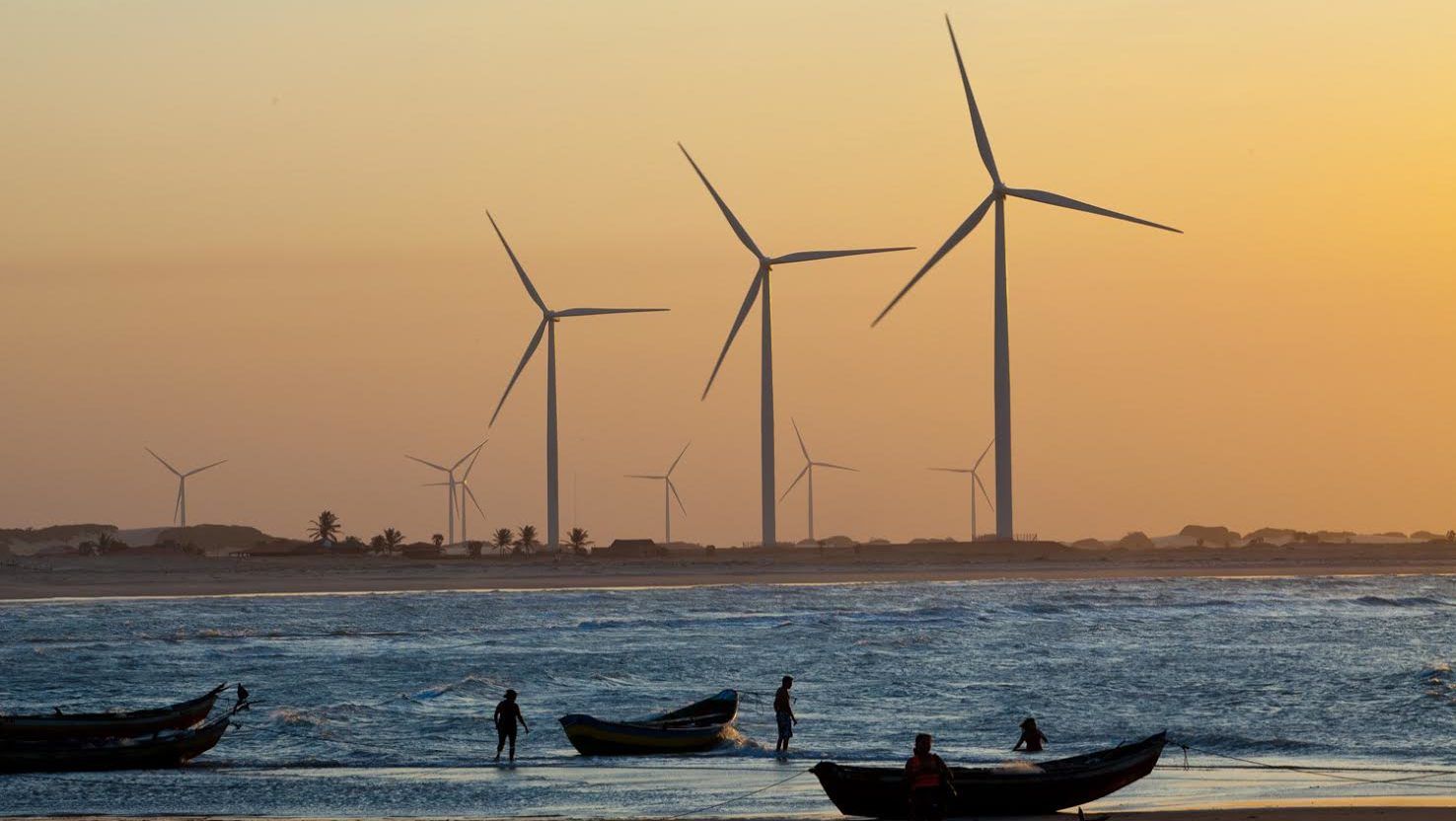
In The Northeast, Region With The Highest Concentration Of Wind Farms, New Record Is Set In Wind Power Generation
The Northeast region has characteristics that favor wind power generation. According to meteorologists, with the decrease in rainfall in the second semester, and consequently the reduction in water supply for hydroelectric power production, the region during this period can count on strong winds for wind energy generation. Recently, the region set a new record for wind power generation.
See Also Other News:
- SBM Offshore Is Chosen By Petrobras To Charter The Largest FPSO In Brazil To Be Installed In The Búzios Field
- Shipbuilding Recovery: See The Orders Made And Which Shipyards Won Contracts
- How The Offshore Oil Boom In Brazil Is Changing The Global Oil Market
From July to September, winds in the coastal region can reach 60 km per hour and in the interior 40 km. And it is precisely during this period that the Northeast region has been breaking successive wind power generation records. In August of last year, three records were registered, one of which was for instantaneous generation.
According to monitoring conducted by the National Electric System Operator – ONS, the systems registered, on Saturday, August 22, at 10 PM, a new peak generation reaching, this time, 10,169 MW, with a capacity factor of 81%. This generation is enough to supply 97% of the entire region’s demand at that moment, which is more than 18 million homes.
-
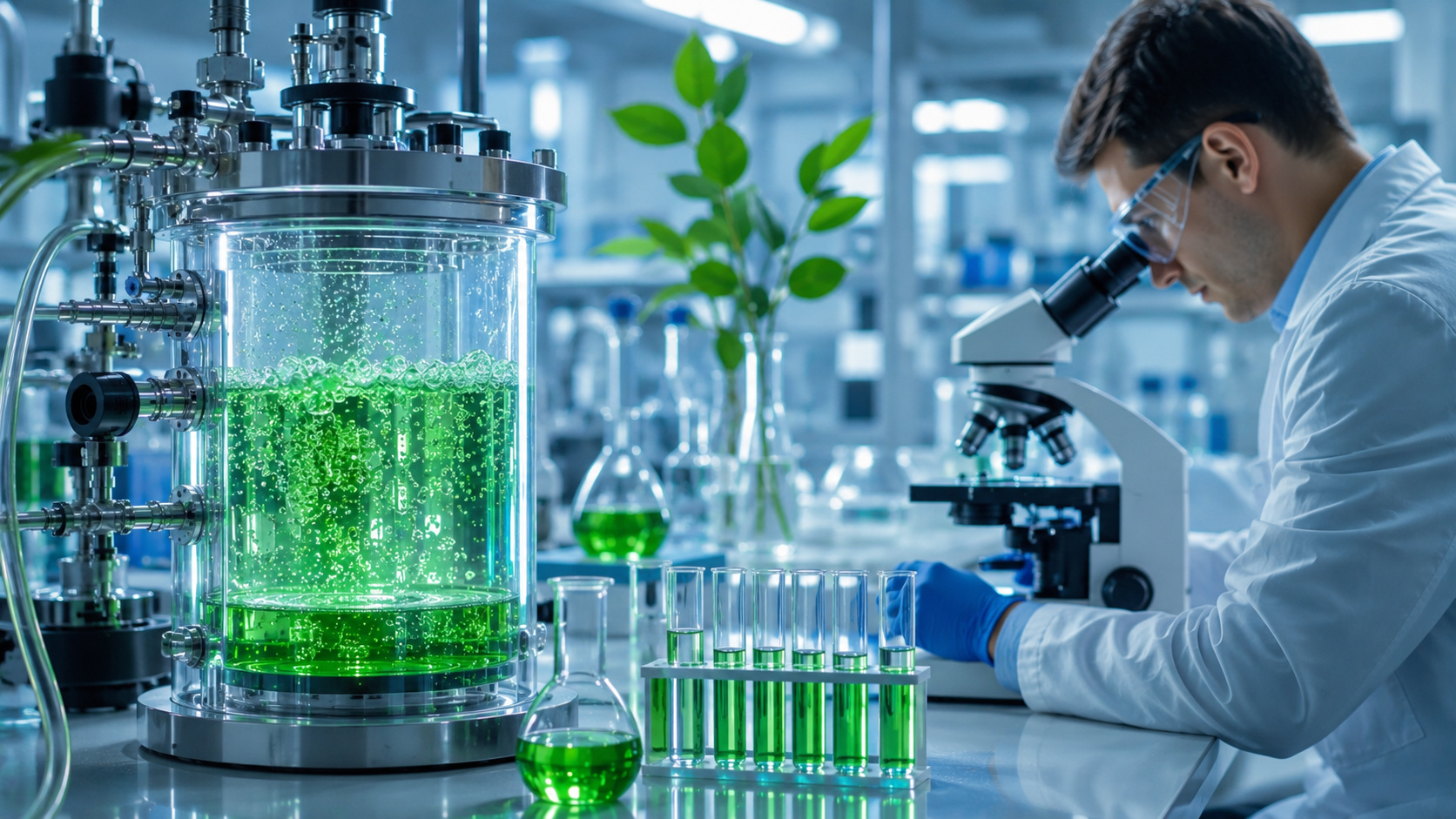
Brazilian scientists are simultaneously advancing two research projects on clean hydrogen and driving solutions that could transform the energy matrix, enhance industrial competitiveness, and accelerate large-scale emission reduction targets.

-
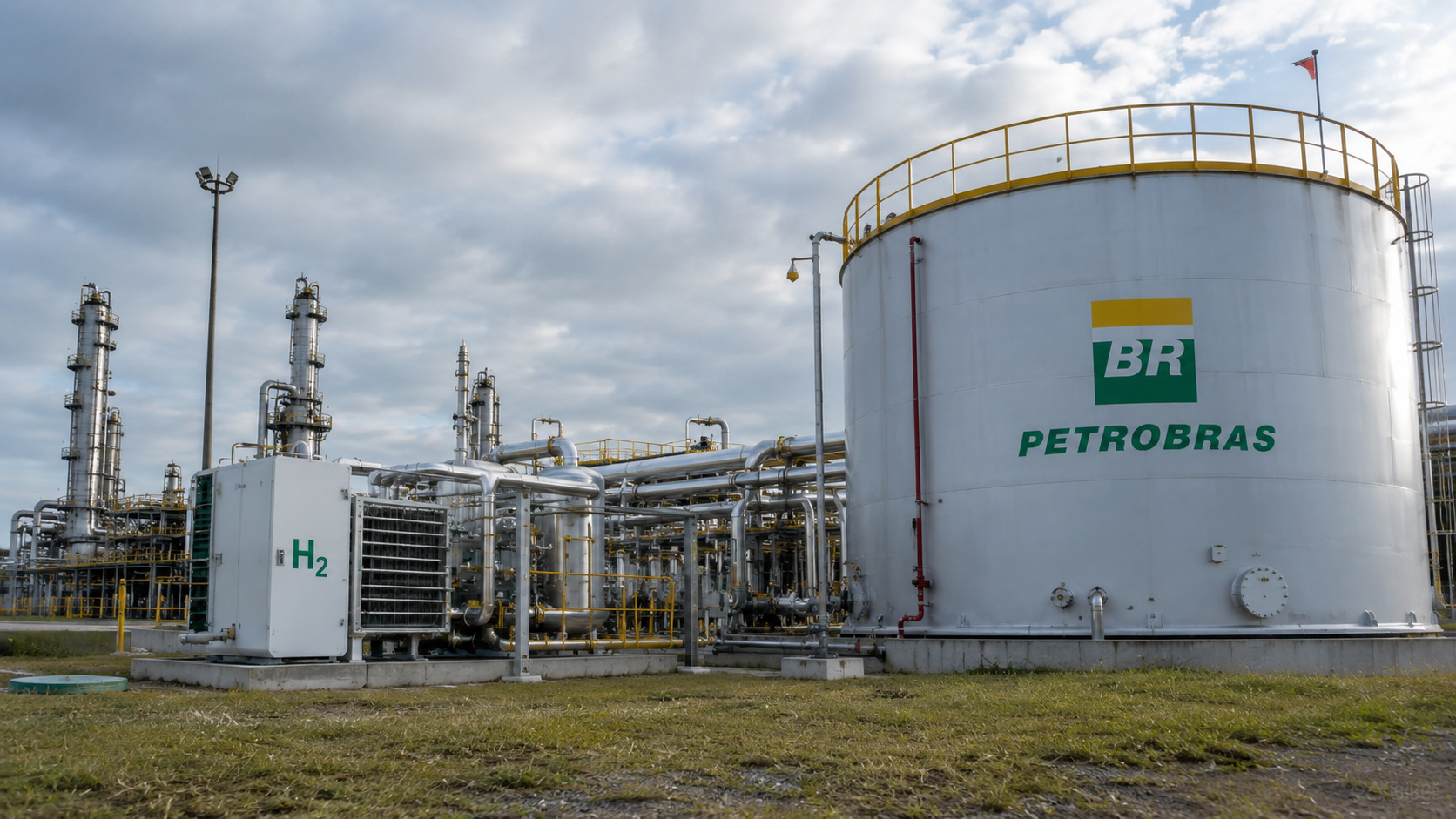
Advancement in renewable energy: A R$ 150 million project launched by Petrobras and Finep aims to create state-of-the-art electrolyzers for green hydrogen, strengthening national research and preparing Brazil to compete in a billion-dollar energy market.
-
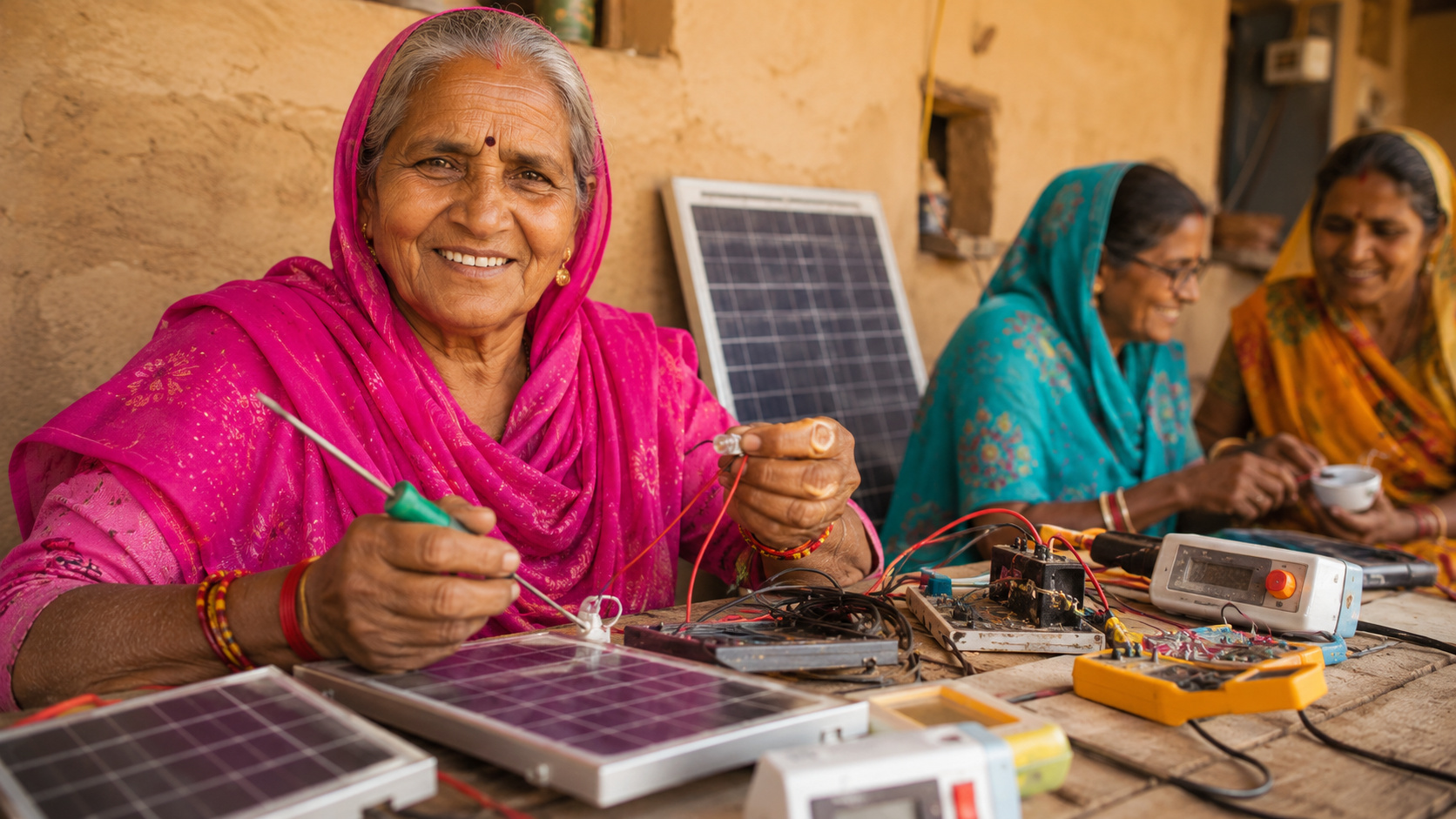
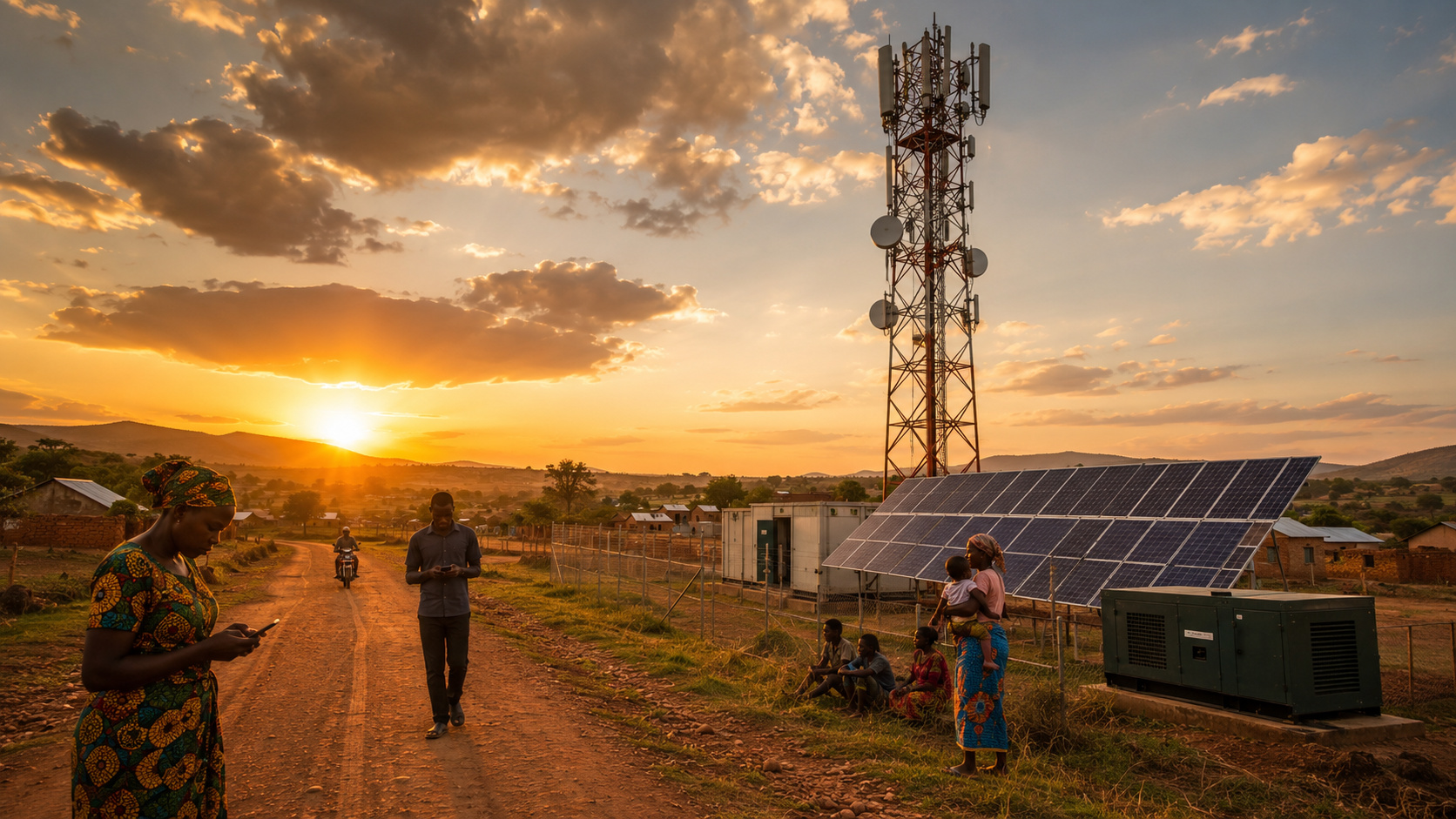
Illiterate or semi-literate grandmothers were trained to repair solar systems, open rural workshops, and light up homes that still depended on kerosene.
-
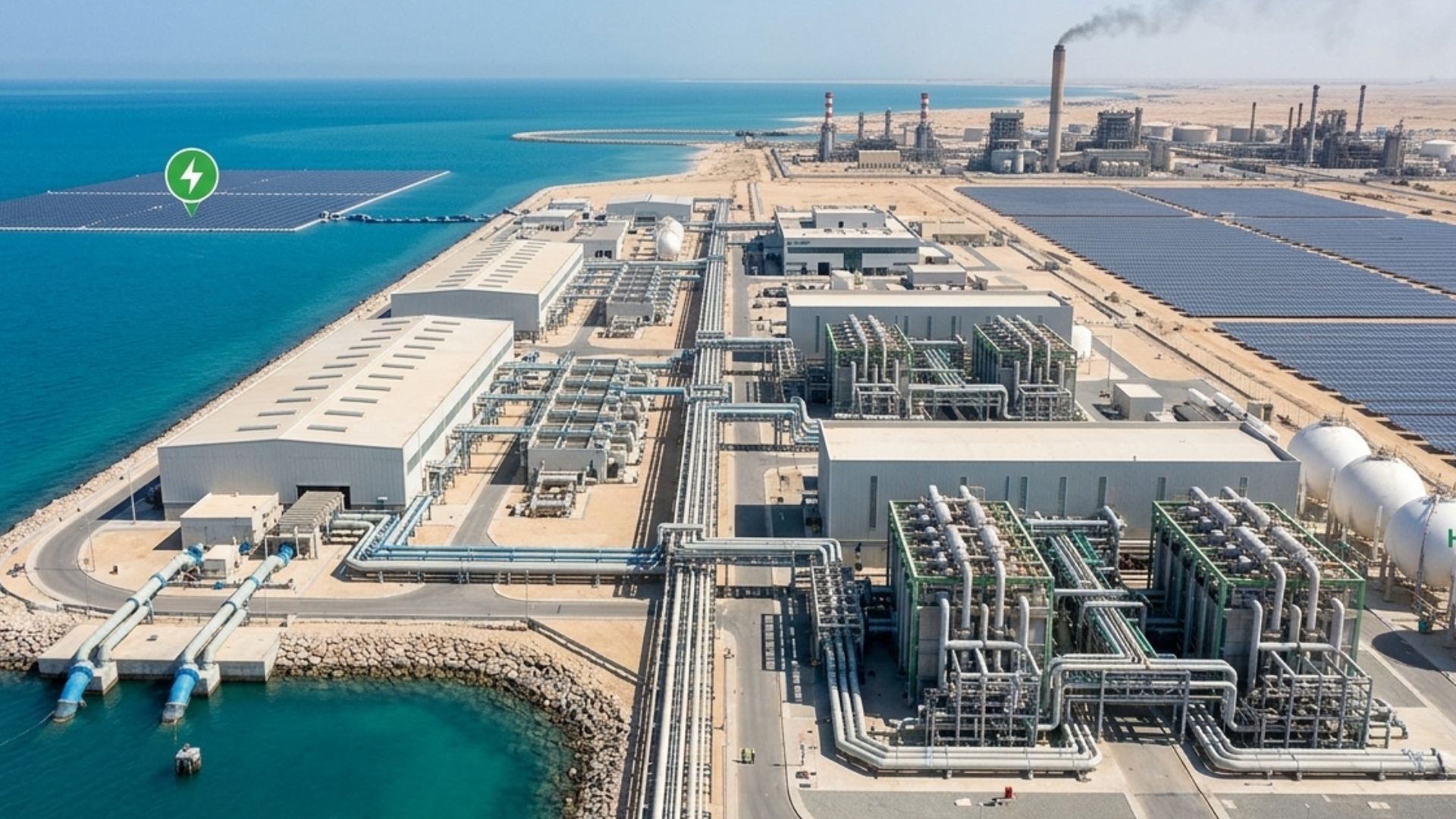
The world has bet on green hydrogen as the fuel of the future, but now faces the side effect: producing 1 kilogram requires about 9 liters of ultrapure water, and the largest projects on the planet are precisely in the driest regions of the Earth, where water is already scarce for people.

In August and September, what is called the “wind harvest” occurs. The Northeast is favored by winds with a speed well above what is needed for energy generation, as well as being unidirectional and stable, allowing for continuous generation. As a result, it is common for annual production records to occur during this period.
Wind power in Brazil represents 9.5% of the installed capacity in the electric matrix, falling behind hydropower – 69.4% and thermal – 18.2%. By 2024, it is expected that this type of generation will reach 11.4% of the matrix, which will elevate the Northeast Region’s importance.
The states of Bahia, Rio Grande do Norte, and Piauí are the states in the region that generate the most energy. Bahia with 2,357 MW, Rio Grande do Norte with 1,717 MW, and Piauí with 1,022 MW. This generation is capable of serving 50 million inhabitants.





Be the first to react!