






 Portuguese
  Spanish
  3 min of reading
  0 comments


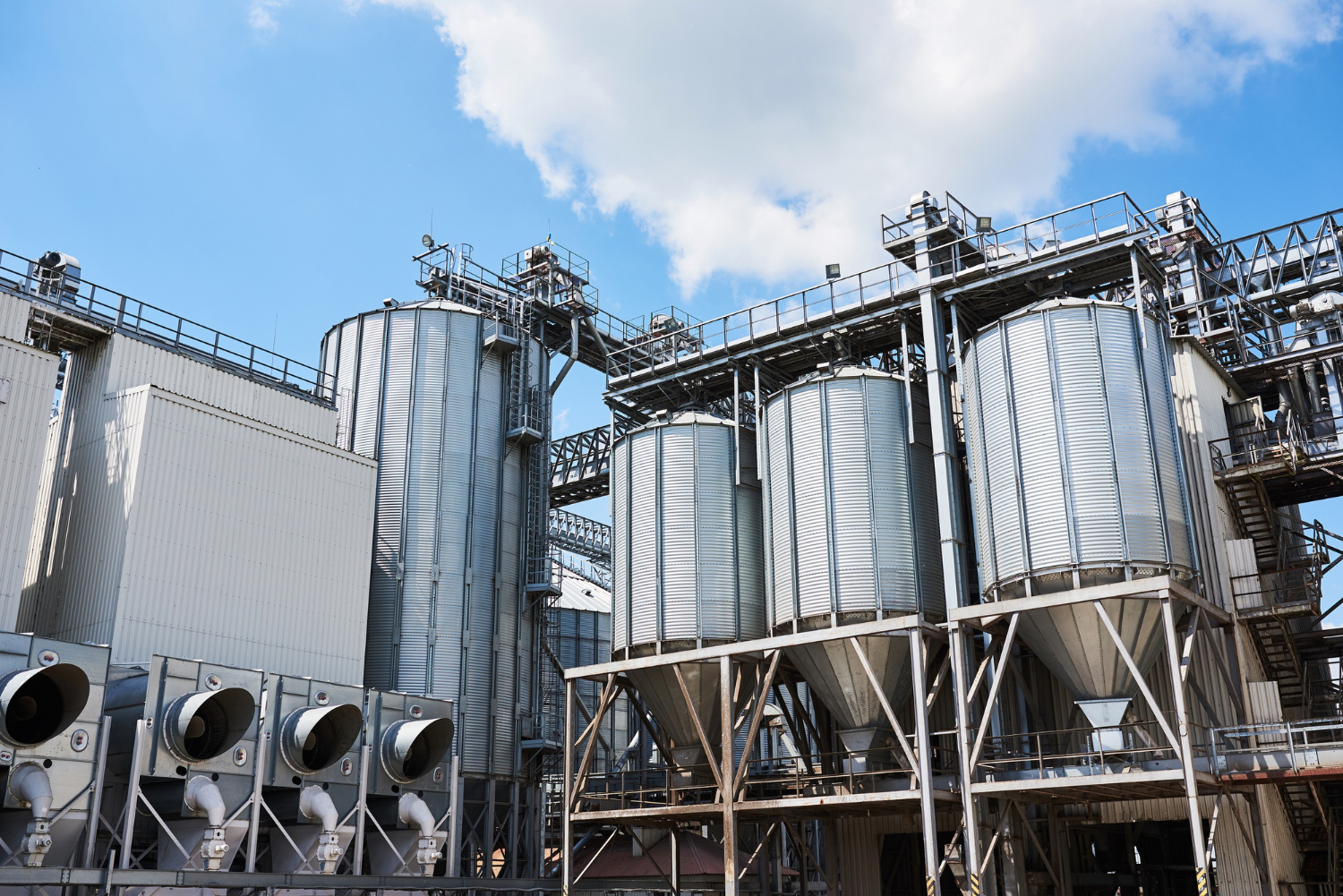
Combining BECCS, Biochar, and New Carbon Capture Models, Ethanol Production in Brazil Can Achieve Negative Emissions and Expand Its Role in the Energy Transition
The ethanol production in Brazil is undergoing a decisive transformation driven by technologies capable of drastically reducing emissions and even generating negative carbon outcomes, according to a report published.
Research conducted by teams from Embrapa Meio Ambiente and Unicamp shows that solutions like BECCS and biochar can profoundly change the environmental impact of the fuel.
These techniques prevent the CO₂ released during the production process from returning to the atmosphere, creating a more efficient agricultural and industrial cycle.
-
The first large-scale ethanol-powered thermoelectric plant is born in Pernambuco, surprising the energy sector and potentially opening a new phase for biofuels in Brazil.

-
Acelen advances with megabiorefinery in Bahia with a R$ 503 million investment released by BNDES and boosts the production of sustainable fuels with advanced technology capable of transforming vegetable oil and waste into green diesel and low-emission aviation fuel.

-
Petrobras announces RNEST’s historic milestone in April after the refinery reached record diesel production and strengthened the national fuel supply.
-
Petrobras Expands Refining in Brazil, Increases Production of Diesel S-10 and Gasoline, Enhances Operational Efficiency, and Reduces Import Dependence Between 2023 and 2025

In light of global pressure for clean fuels, Brazil emerges with real conditions to become a leader in the supply of “negative emission” biofuels, enhancing the results already achieved by RenovaBio since 2017.
Advances in BECCS Technology in Brazilian Ethanol
The study details how the integration of BECCS technology, which captures and geologically stores emitted carbon, can significantly reduce the carbon intensity index of ethanol. Today, this intensity is 32.8 gCO₂e/MJ.
Carbon capture applied to fermentation could bring the value down to 10.4 gCO₂e/MJ, while more ambitious scenarios, with capture also during the combustion of bagasse and straw, would allow for achieving –81.3 gCO₂e/MJ.
The initiative by Usina FS, considered pioneering, demonstrates the potential of the technology, although it still faces high costs ranging from US$ 100 to US$ 200 per ton of CO₂.
How Ethanol Production in Brazil Connects to Biochar Application in Sugarcane Fields
The analysis also includes the application of biochar in agricultural areas. Produced from residues, such as bagasse or straw, subjected to pyrolysis, biochar acts as a carbon reservoir in the soil.
When applied at a rate of 1 t/ha or up to 4 t/ha, it can sequester about 1.42 tCO₂e per ton.
This process improves soil properties and reduces nitrous oxide emissions, a gas that is much more potent than CO₂.
However, the average cost of US$ 427 per ton still poses a challenge for its large-scale adoption.
The ethanol production in Brazil stands out as a strategic sector to expand the use of this agricultural resource.
Carbon Capture in Alcoholic Fermentation and the CBIO Decarbonization Credits Market
The researchers also investigated the ability of ethanol plants to operate with carbon capture systems during alcoholic fermentation, considered the most feasible stage due to the purity of the emitted CO₂.
The combination of capture during fermentation and combustion, along with the use of biochar, could generate up to 197 MtCO₂e in credits, equivalent to 12% of Brazil’s emissions in 2022.
Only the most realistic scenario, with exclusive BECCS in fermentation, would allow capturing about 20 MtCO₂e/year.
The ethanol production in Brazil aligns with RenovaBio, which pays for emission reductions through CBIOs, traded at around US$ 20 per ton, an amount still insufficient to enable large-scale capture technologies.
The comparison with gasoline and electric vehicles also gains relevance. Even without negative carbon technologies, ethanol has a lower carbon intensity than gasoline.
With BECCS and biochar, it can achieve performance equivalent to or superior to that of electric vehicles powered with average Brazilian electricity.
The ethanol production in Brazil demonstrates potential to compete not only with fossil fuels but also with alternatives considered clean in the global market.
Experts emphasize that to advance, it will be necessary to expand agricultural inventories, map suitable geological areas, and create complementary incentive policies.
The country, the second largest producer of ethanol and biodiesel in the world, already has infrastructure to lead this transition, balancing technological innovation, financial mechanisms, and modern regulation.
The path to transform the energy matrix directly depends on the ethanol production in Brazil, which remains at the center of strategies for negative emissions and international competitiveness.






Be the first to react!