






 Portuguese
  Spanish


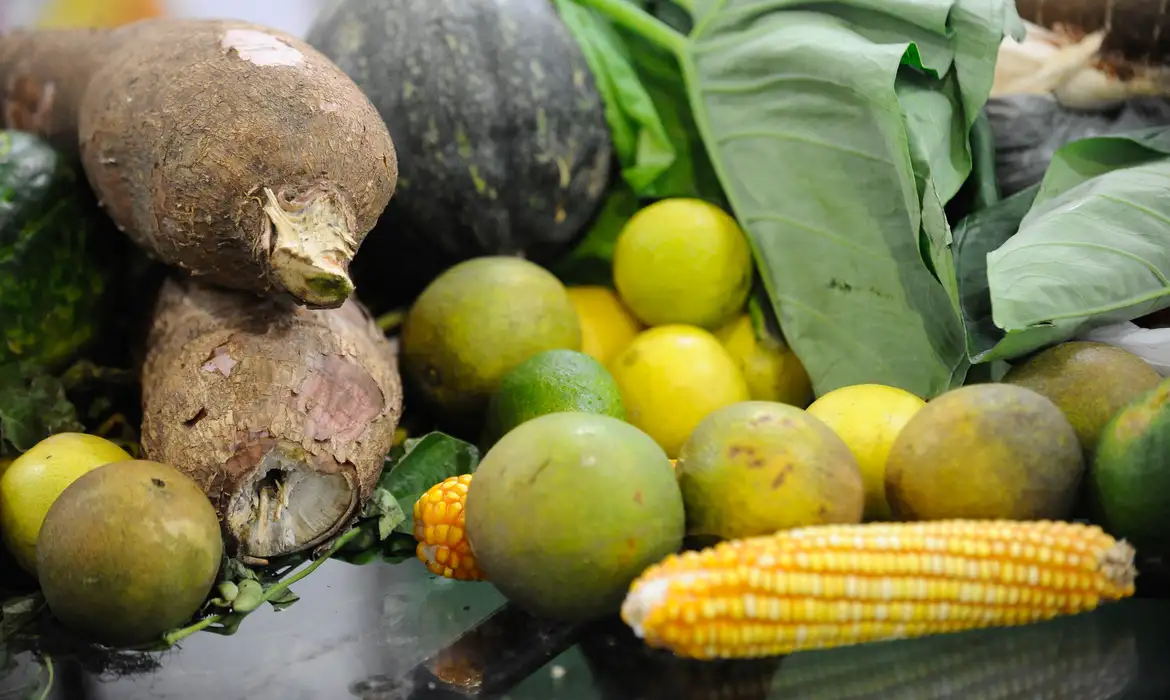

Discover Why Organic Foods Are More Expensive, Exploring Production Costs, Lower Yields, Certifications, and Market Impact
Organic farming has been marketed as a healthier, more sustainable, and ethical option. However, for the consumer, the main barrier is still the price. Organic products almost always cost more than conventional ones, and the difference can be significant.
According to a report from the U.S. Department of Agriculture (USDA), the price difference varies widely.
Onions and carrots, some of the most consumed organic products, cost about 15% more than their conventional counterparts, while eggs can be up to 82% more expensive, and skim milk can double in price.
-
Wave Rock: Australia’s Giant Granite Wave Stands 15 Meters Tall, Spans 110 Meters, and Showcases 2.7 Billion Years of Erosion in the Australian Desert

-
How to Unclog Showerhead Holes Blocked by Limescale and Hard Water Without Replacing or Hiring a Technician

-
Award-Winning Korean Electric Scooter Concept Folds to Briefcase Size, Eases Transport Challenges

-
YouTuber Discovers Surreal Collection in 400-Year-Old Italian Fortress Near Florence: 419 Anvils, Giant Walruses, Ancient Church, and WWII Tunnels



Organic Products: What Drives Up Costs and the True Reason for High Prices
Organic farming has more labor-intensive and costly processes. One of the main factors driving up production costs is labor.
- Manual Control of Organic Weeds: while a conventional farmer can apply herbicides to eliminate weeds, an organic farmer must remove them manually or use mechanical methods, which requires more time and workers.
- Limited Use of Machinery: organic farms tend to be smaller and more dispersed, making mechanization difficult. In contrast, conventional farms extensively use large agricultural equipment, resulting in lower operational costs.
- Natural Pesticides Require More Applications: synthetic pesticides used in conventional agriculture are more effective and require fewer applications. The pesticides allowed in organic farming, such as copper sulfate and pyrethrum, need to be applied more frequently, which increases labor costs.
- Risk of Crop Loss: even with the use of permitted pesticides, organic crops are more vulnerable to pests and diseases. When a crop is lost, the producer needs to compensate for that loss by raising the prices of the successful harvests.
- Complicated Logistics: conventional farms are part of large supply chains, allowing for efficient transportation. Organic farms, being smaller and more scattered, face higher distribution costs. Additionally, organic products cannot be transported alongside conventional products, further increasing operational costs.
Lower Productivity
In addition to higher production costs, organic farms generally produce less than conventional farms.
- Lower Yields: a meta-analysis of 362 studies across 43 countries found that organic farms yield, on average, 20% less than conventional farms. In some cases, this difference can reach 34%.
- Greater Land Requirement: to produce the same amount of food as a conventional farm, an organic farm would need more land. This directly impacts the feasibility of large-scale organic farming.
- Less Stability in Production: a study involving 193 comparative research shows that the yields of organic farms vary more from year to year, while conventional farms have more stable production.
These factors mean that to compensate for lower production and higher costs, organic producers need to sell their products at higher prices.
Certifications and Regulations Drive Up Costs
For a product to be labeled as organic, it must adhere to a set of rules and undergo regular inspections.
- Stringent Licensing: in many countries, farmers need to obtain certifications to sell their products as organic. These certifications ensure that agricultural practices comply with environmental and safety standards, but they come at a high cost.
- Frequent Inspections: organic farms undergo audits to ensure compliance with applicable standards. These audits represent an additional cost for producers.
- Extra Certifications: in addition to organic certification, many farms choose to obtain additional certifications, such as non-GMO status, which further increases costs.
All these expenses are passed on to the consumer, driving up the prices of organic foods even more.
The Power of Supply and Demand
Even if organic production were cheaper, prices would still be high due to the relationship between supply and demand.
- High Demand, Low Supply: the number of organic farms has been increasing, but it is still not enough to meet the growing demand for organic food. With a limited supply, prices naturally rise.
- Marketing and Perceived Value: organic foods are marketed as a healthier and more sustainable option. Many advertising campaigns emphasize health and environmental benefits, encouraging consumers to pay more for these products.
- Status Symbol: in certain regions, consuming organic foods is seen as a sign of sophistication and environmental awareness. This perception leads consumers to pay higher prices without question.
Store Profits Also Drive Up Organic Product Prices
Supermarkets and specialty stores also play a crucial role in pricing organic products.
- Higher Profit Margins: as consumers willing to pay for organic foods typically have higher purchasing power, many stores take advantage of this willingness and apply high profit margins.
- Premium Pricing Without Justification: even though the production cost of organic foods is indeed higher, the price difference is not always proportional. In some cases, retailers simply raise prices because they know consumers will pay more.
The prices of organic foods are influenced by various factors: higher production costs, lower productivity, expensive certifications, and supply and demand logic. Additionally, the perception that organic products are superior allows retailers to charge even higher prices.
With information from Scienceabc.


