Portuguese
  Spanish


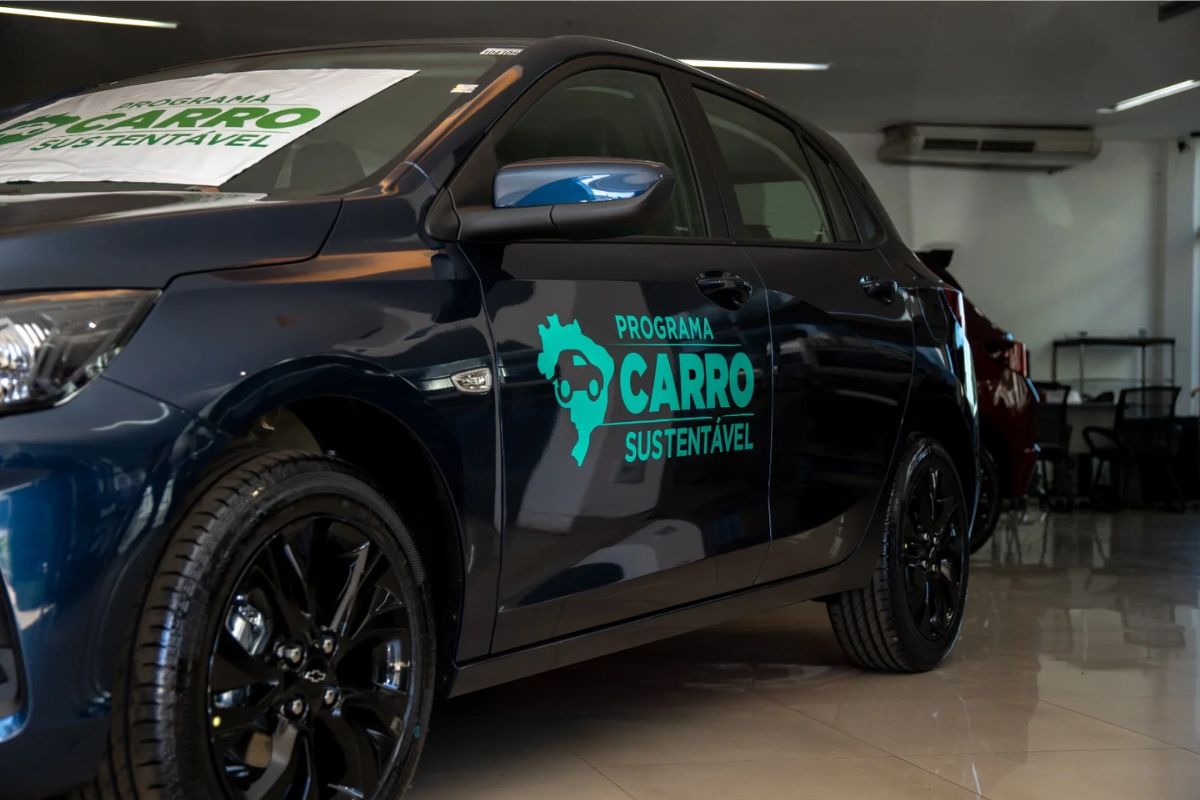

The Sustainable Car Program Lost Strength: Discounts Were Reduced, Prices Remain High, and Interest Rates Reach 27% Per Year. Even with the IPI Zeroed, Popular Models Like Polo, Kwid, and Mobi Remain Unaffordable for Most Brazilians
The initial enthusiasm for the Sustainable Car Program, launched in July with the promise of reducing the price of 1.0 cars by eliminating the IPI, is no longer sustained. In practice, prices remain high, and financing continues to have prohibitive interest rates, limiting the real reach of the initiative.
The Vice President and Minister of Development, Industry, and Trade, Geraldo Alckmin, even visited dealerships on three consecutive weekends to closely monitor the program’s performance.
In the early days, the numbers seemed promising: demand for the six participating models doubled in some stores, and entities such as Anfavea and Fenabrave recorded increases of up to 16.7% in retail sales in July and 14% in registrations in the first days of August, compared to 2024.
-
Hilux’s little sister: Toyota relaunches the Land Cruiser 70 in the 2027 lineup with over 40 years of production, a 2.8 turbo diesel engine with 201 hp and 51 kgfm, a six-speed automatic transmission, and a renewed retro look.

-
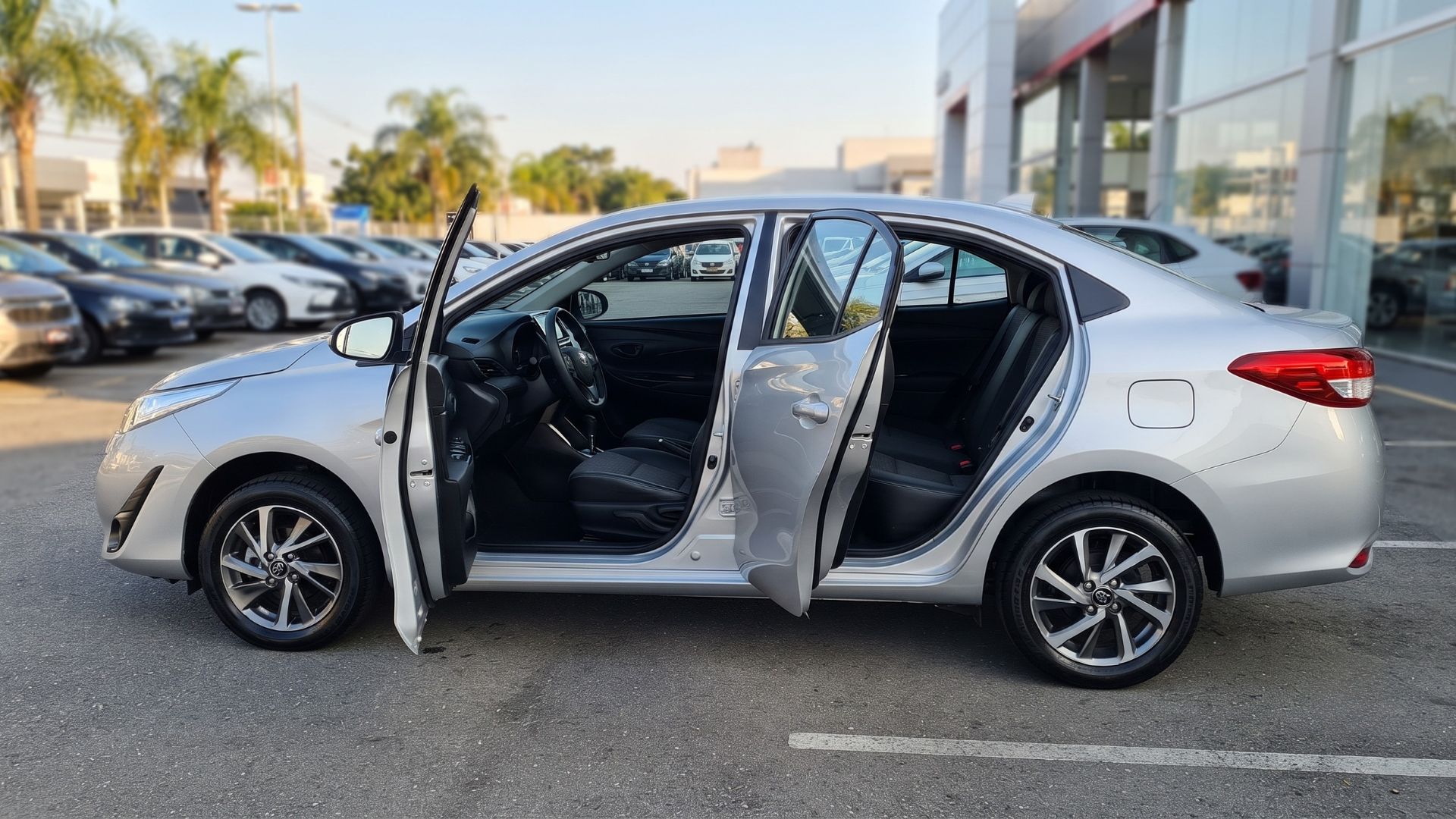
Automatic, economical, and known for reliability: with a 1.5 engine of up to 110 hp, CVT transmission, seven airbags, and fuel consumption of up to 15.9 km/l, this used hatchback appears as a rational alternative to Polo, HB20, and Onix; meet the Toyota Yaris XLS 2020.
-
He surpassed the Tera, Creta, and Tracker: With a TSI engine of up to 150 hp, 6-speed automatic transmission, and a 373-liter trunk, the Volkswagen T-Cross was the best-selling SUV in June, with 11,753 registrations.

-
It looks factory-made, but it came out of a workshop: a mechanic from Pernambuco builds a handcrafted “mini Toyota,” drives it through the streets, and the video goes viral on social media, leaving residents astonished.



Growth Loses Momentum
However, the momentum did not last long. In August, the six hatchbacks involved – Volkswagen Polo, Fiat Argo, and Mobi, Chevrolet Onix, Hyundai HB20, and Renault Kwid – totaled 48.3 thousand registrations. The result represented a modest increase of 1.6% compared to the same month last year, according to the consulting firm K.Lume.
Although still positive in light of the 6.8% decline in the light vehicle market overall, the performance showed a clear loss of momentum.
The main reason was the removal or reduction of discounts. Volkswagen, for example, reduced the discount on the Polo Track from 12% to just 3.2%, raising the price from R$ 84.4 thousand to R$ 92.6 thousand in September.
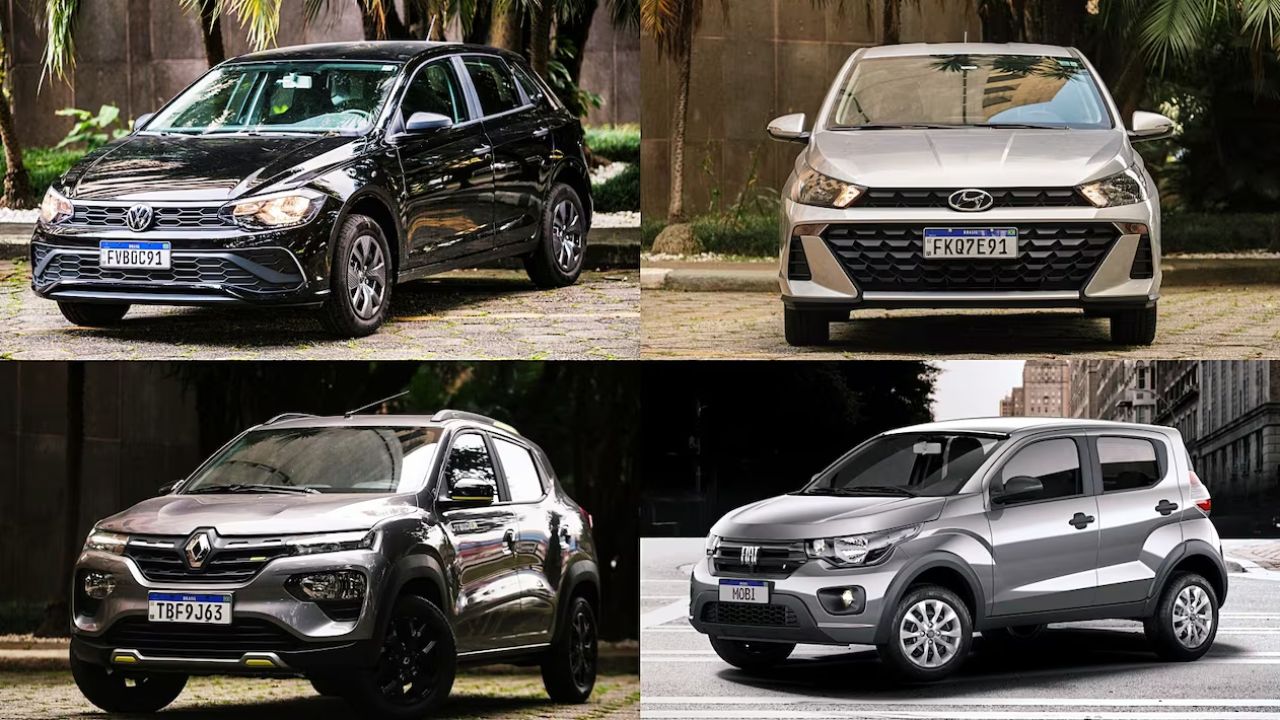
Meanwhile, Fiat’s models showed mixed results: the Argo surged 30% in sales with the help of promotions of up to R$ 10 thousand, but has nearly returned to its pre-program price.
The Mobi maintained nearly unchanged prices, with the Like version fixed at R$ 79 thousand, only R$ 2 thousand cheaper than before.
The Renault Kwid, the most affordable car on the market, also recorded modest sales: an increase of 5.3% in August. Its discount was minimal, only 2.4%, keeping the Zen version at R$ 78.7 thousand.
On the other hand, the Chevrolet Onix, with a higher price – the base version reached R$ 101.7 thousand – suffered a 35.5% drop in registrations.
The Hyundai HB20, in turn, maintained its good momentum: with discounts of up to R$ 10 thousand, it registered a 6.9% increase.
Prices and Credit Still Out of Reality
The data confirms that the IPI reduction on a few models had a limited impact. What really made a difference were the manufacturers’ discounts – many of which have already been retracted. Thus, cars remain unaffordable for the average Brazilian income.
The scenario worsens with financing. The basic interest rate (Selic) remains at 15% per year, but in personal credit contracts, average interest rates reach 27.6% per year, according to the Central Bank.
In the last 12 months, the cost increased by two percentage points, while financing grew only 1.2% in the first seven months of 2025. At the same time, delinquency rose to 5.3%.
Limited Social, Economic, and Environmental Impact
With high prices and expensive credit, many consumers who could buy a new car end up opting for more complete models outside the program, which reduces the reach of the so-called social, economic, and environmental tripod advocated by the Sustainable Car Program.
In practice, the program contributed little to increasing access to new vehicles, stimulating industrial production, or reducing emissions.
The impact was only sufficient to prevent a larger drop in sales, but insufficient to reverse the stagnation of the sector. For the automotive market to grow consistently again, much more will be needed than the exemption of the IPI on six popular models.