Portuguese
  Spanish




Discover How the National Geothermal Energy Program Strengthens Clean and Sustainable Energy Generation in Brazil, Promoting Sustainability and Energy Innovation.
The search for clean and sustainable energy sources has been gaining momentum in Brazil. With the creation of the National Geothermal Energy Program (Progeo), the country takes an important step towards a more diversified, sustainable, and stable energy matrix.
This initiative represents more than a technological advance. It is also a strategy for energy sovereignty that values the natural resources of the national territory and strengthens the commitment to the environment and future generations.
Brazil, with its vast unexplored geothermal potential, finds in geothermal energy an alternative capable of ensuring continuous energy generation without depending on climate variations.
-
Fired during apartheid and with a little borrowed money, an electrician started with a borrowed truck and transformed electrical services into a group connected to energy, real estate, and infrastructure in South Africa.

-
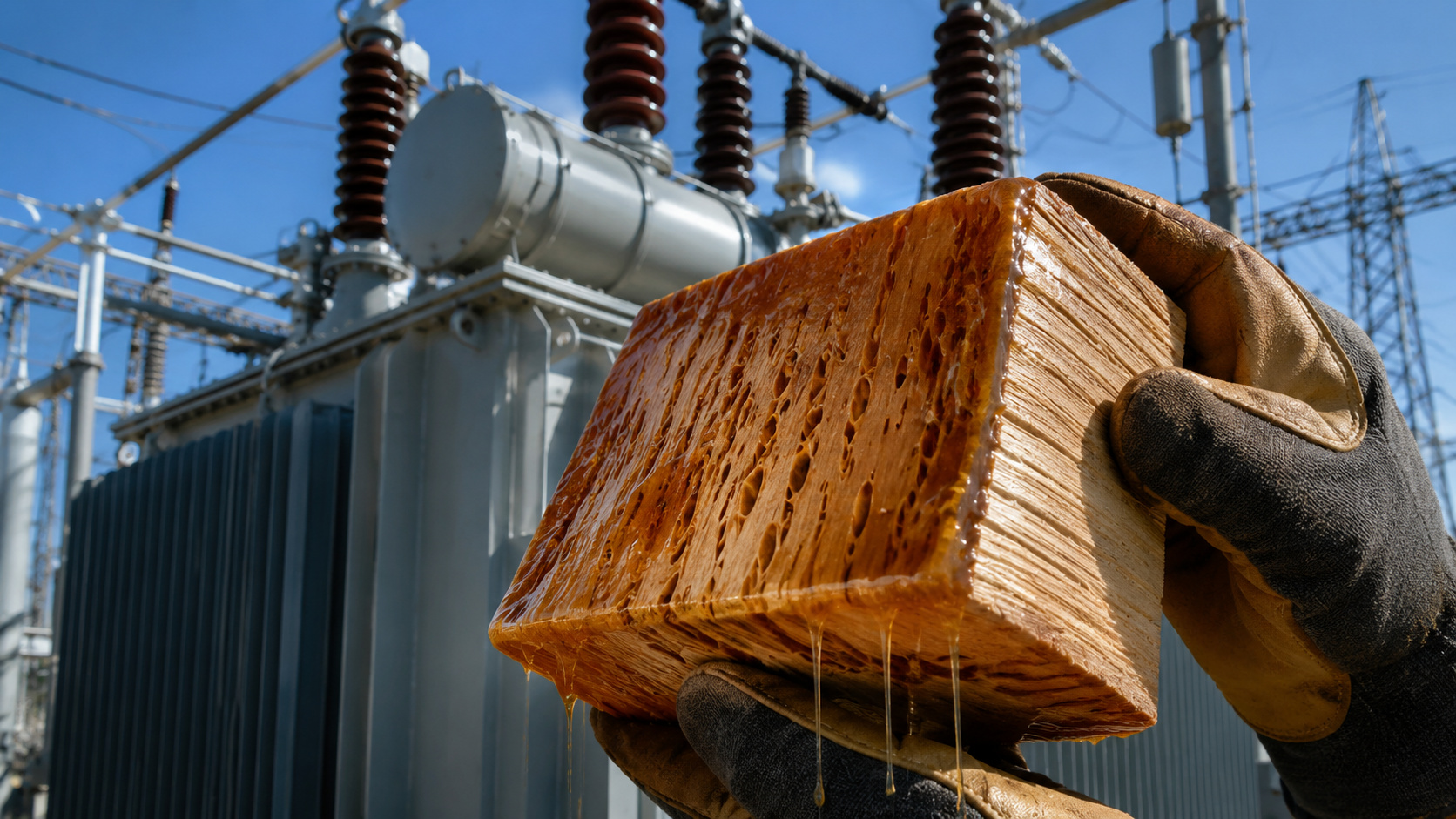
Wood has ceased to be just a construction material in Yale research and has become insulation for electrical transformers that face intense heat, aging, and increasing pressure from the renewable energy-powered grid.
-
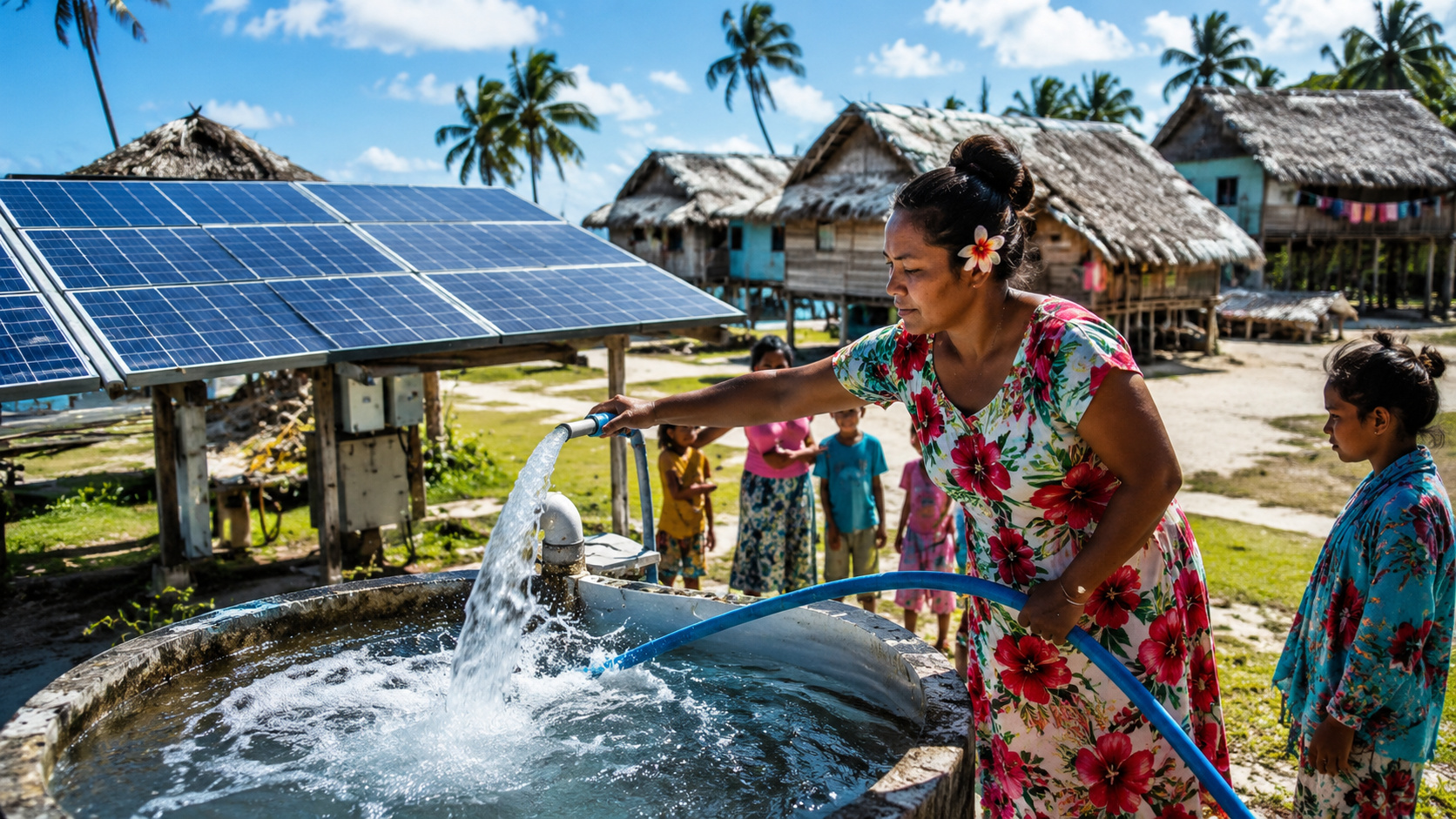
More than 1,000 residents of a remote island in Kiribati now have clean water and electricity with solar systems operated by the community itself.
-
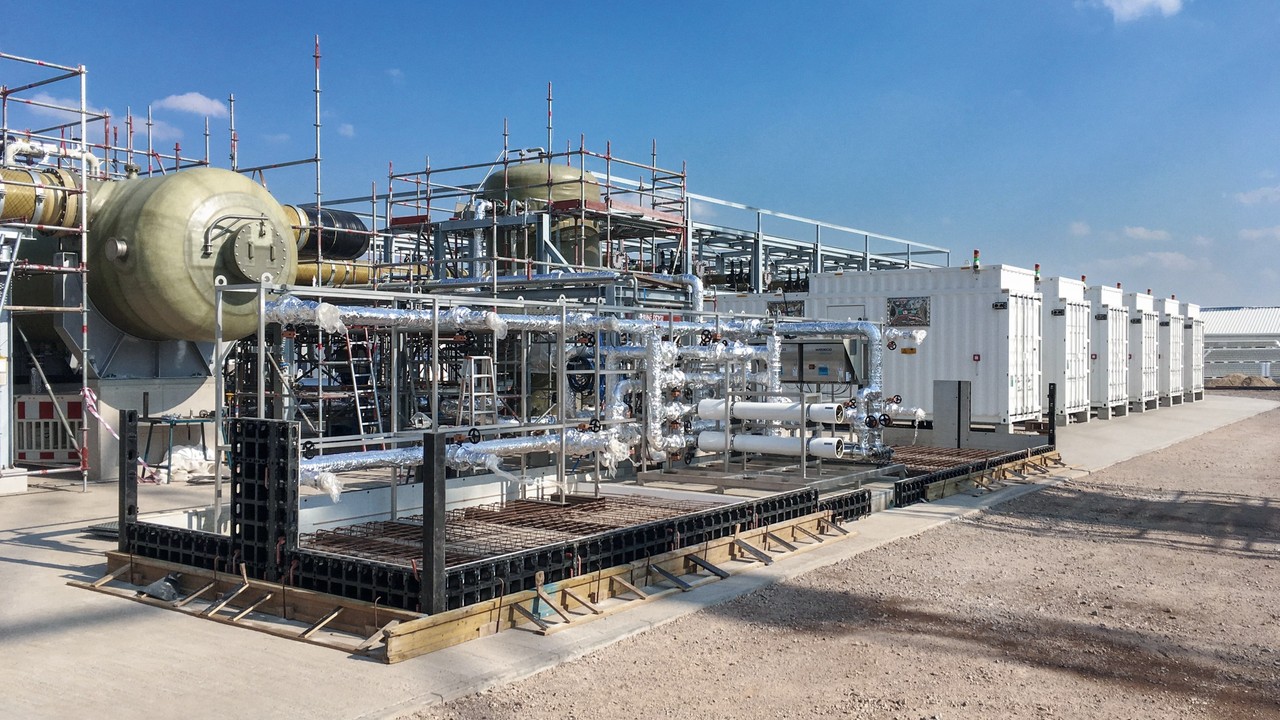
Ceará brings together 7 giants and R$ 66 billion to transform Pecém into the largest green hydrogen hub in Brazil, with final decisions expected by the end of 2026.

Geothermal Energy and Its Historical Context
Geothermal energy is one of the oldest forms of energy utilization on the planet. Ancient peoples already used thermal springs for heating and bathing, long before any concept of electricity existed.
However, it was only in the 20th century that humanity began to transform the natural heat from the earth into electricity. Countries such as Iceland, Italy, Japan, and the United States became pioneers in the use of this technology.
With advances in drilling techniques and thermal control, geothermal energy has gained relevance among renewable energies. It stands out for offering continuous and stable generation, regardless of weather conditions.
This is an important differentiator, as neither solar energy nor wind energy can guarantee complete production consistency.
Brazil, although still cautious in this field, has significant potential, especially in regions with ancient volcanic activity or high-temperature underground reservoirs, such as in the North and Northeast.
Progeo: The Brazilian Push for Clean and Sustainable Generation
The Progeo emerges as a response to the need to diversify the national energy matrix. Its goal is to map, develop, and integrate the use of geothermal energy in a sustainable and strategic manner.
The initiative aims to create a solid foundation for research and investment, encouraging partnerships between government, universities, and the private sector. Thus, the program not only fosters innovation but also creates skilled jobs and boosts regional development.
As a sustainable and clean source, geothermal energy can operate in a complementary manner to other renewables, reducing dependence on hydropower during dry periods. This ensures greater energy security and stability in supply.
Moreover, the use of geothermal energy directly contributes to the reduction of greenhouse gas emissions, helping Brazil meet its climate goals and strengthen its international image in the field of sustainability.
Sustainability and Energy Independence
Clean and sustainable generation brings benefits that go beyond the environmental field. It also represents strategic autonomy for the country.
By harnessing internal and inexhaustible resources, Brazil reduces its dependence on imports and improves the predictability of energy costs.
This stability attracts investments and favors the establishment of industries in regions currently lacking energy infrastructure.
The social impact is equally significant. Geothermal projects stimulate the training of specialized professionals, generate local jobs, and strengthen regional economies.
In the long run, integrating geothermal energy into the national matrix could consolidate the country as a Latin American reference in renewable energy, balancing economic growth and environmental preservation.
Challenges and Opportunities for the Future
Despite its enormous potential, geothermal energy in Brazil still faces challenges. The main one is the initial implementation cost, which involves detailed geological research and drilling infrastructure.
However, as technology evolves and investments increase, these costs tend to decrease. Countries that bet on geothermal energy in recent decades have proven that the long-term benefits far outweigh the initial investment.
Another challenge is the lack of public knowledge about this energy source. Thus, Progeo also plays an important educational role, promoting awareness campaigns and training of specialized technicians and engineers.
Therefore, Brazil has a rare window of opportunity. If the country can align scientific research, public policies, and private incentives, it can transform geothermal potential into a solid foundation for clean and sustainable generation.
Geothermal Energy and the Future of the Brazilian Energy Matrix
The future of the Brazilian energy matrix inevitably involves diversification and technological innovation.
While solar and wind energy continue to expand, geothermal energy emerges as the link capable of ensuring balance and continuity in the system.
This integration between different renewable sources creates a more resilient and sustainable energy model, prepared to face both climate crises and global economic pressures.
The National Geothermal Energy Program symbolizes a paradigm shift. It transforms the way Brazil thinks about its own energy, moving away from dependence solely on surface resources and responsibly exploring the power that comes from within the Earth.
Thus, the country advances towards a new energy era, based on clean and sustainable generation, with benefits that extend for decades and contribute to a more balanced and fair planet.