






 Portuguese
  Spanish
 4 min of reading
  0 comments



UFES Initiative Highlights Innovation in Sustainability by Developing Solar Projects, Such as the Poente Boat and On-Grid and Off-Grid Systems, Expanding the Use of Solar Energy and Empowering New Generations
The Solares Project from Federal University of Espírito Santo (UFES) gained national prominence by presenting innovative solutions in solar energy, uniting young talents, applied science, and social impact.
According to an article published on the ES Brasil website this Friday (21), the project, founded in 2011, has become a reference in sustainability by developing technologies such as the Poente Boat, on-grid and off-grid photovoltaic systems, in addition to training programs that connect academia and the market.
UFES and the Solares Project
The Solares Project was born within UFES with the aim of bringing students closer to scientific and technological practice. Since its inception, it has trained several young individuals who now work in renewable energy, electrical engineering, and innovation sectors. The university has established itself as a research and development hub for solar energy in Espírito Santo.
-
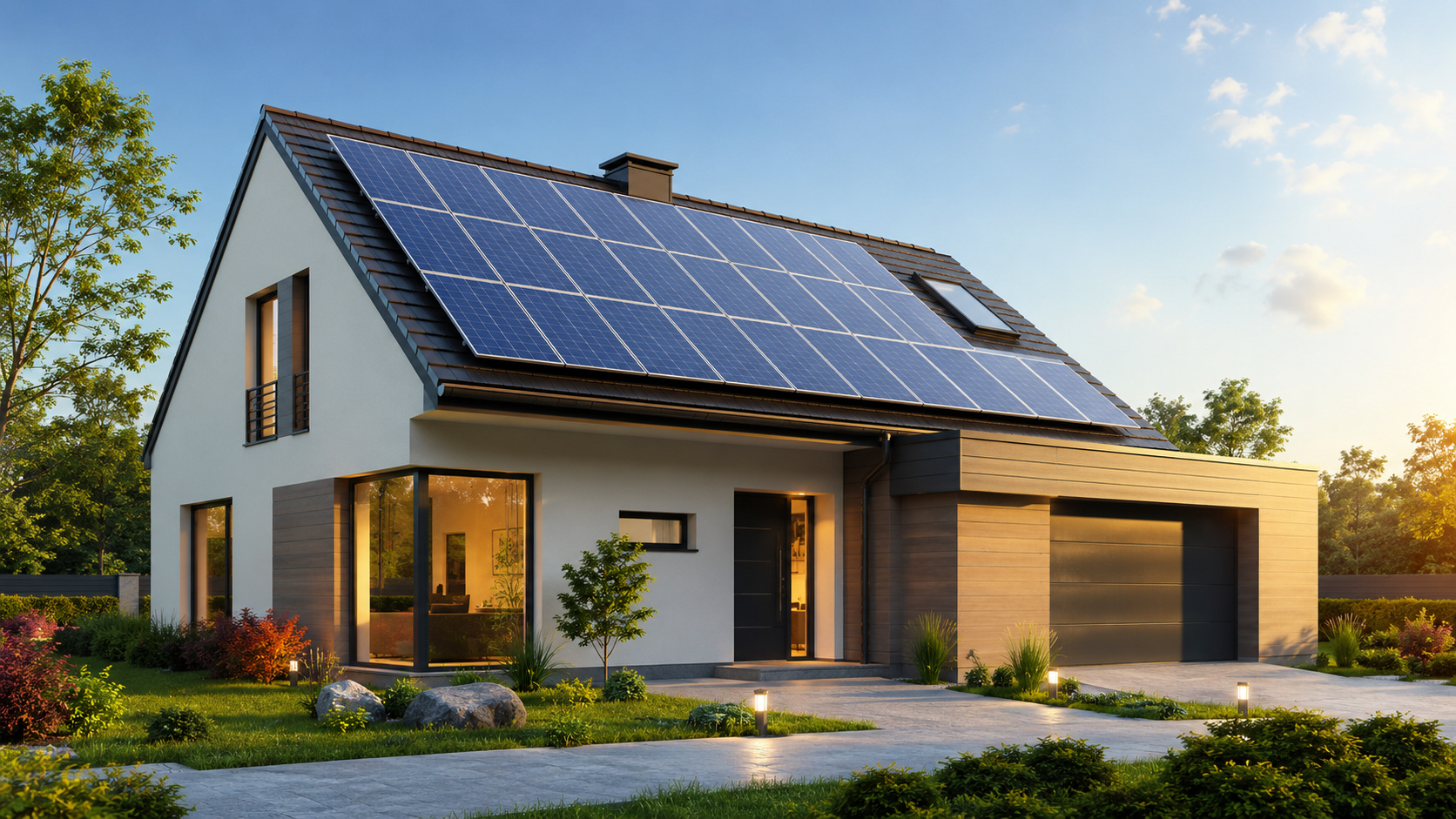
Solar energy can increase property value by up to 10% and become a selling point.

-
Solar and wind energy surpass natural gas for the first time in the world and accelerate energy revolution

-
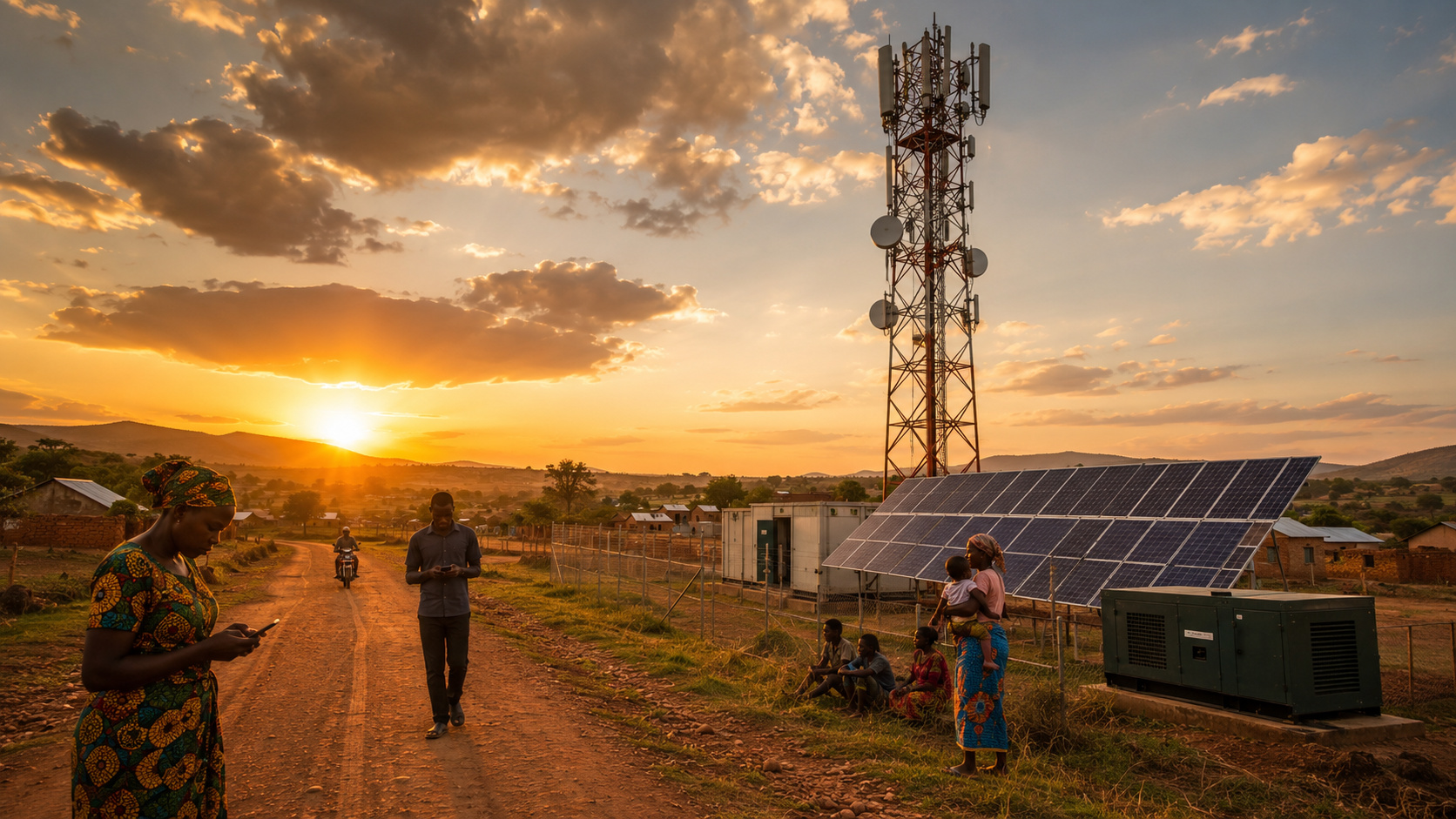
Africa has about 500,000 cell towers and most still burn diesel to operate, while companies rush to cover antennas with solar energy and avoid signal blackouts.
-
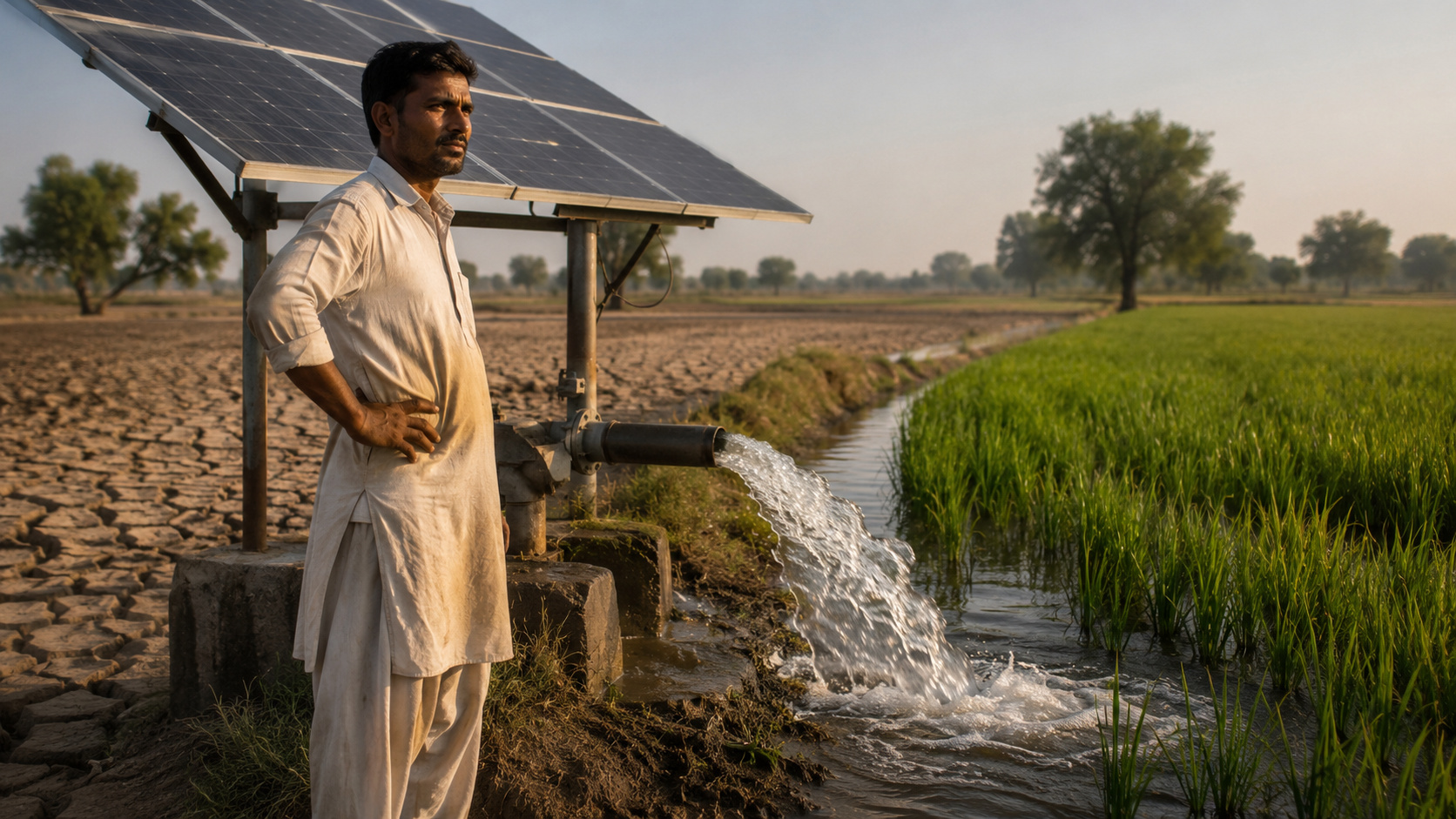
Farmers swapped diesel for solar panels in Pakistan, powered irrigation pumps almost cost-free, expanded rice fields, and now groundwater has become a red alert in the countryside.

The project focuses on solar modules, which consist of two layers, N and P, that have opposite charges — negative and positive. When exposed to sunlight, these layers stimulate the electrons, causing them to move and generating electric current.
The project director, Alice Lage, explains that the project is organized into three main areas: solar vessels, on-grid systems, and off-grid systems. Each of these fronts allows for the development and validation of real solutions aimed at the use of solar energy. In the off-grid segment, the renovation of the campus’s first mobile solar charging station is underway, aiming to provide the public with a practical and accessible experience with clean energy.
Main Achievements of the Solares Project
- Poente Boat: a solar-powered vessel that has already won national competitions such as the Desafio Solar Brasil.
- On-Grid and Off-Grid Systems: practical solutions that allow integration with the electrical grid as well as energy autonomy in isolated locations.
- Training for Students: workshops, training, and prototype development that create qualified labor for strategic sectors.
The Solares Project is more than an academic initiative: it is an ecosystem of energy innovation.
Poente Boat: A Symbol of Innovation at UFES
The Poente Boat uses direct current (DC), eliminating the need for inverters in its operation. Its optimized design and energy generation and steering systems demonstrate how applied engineering can create sustainable solutions.
Additionally, each vessel functions as a mobile laboratory, allowing for telemetry testing, panel efficiency, and electric motor performance. This prototype has already represented Brazil in national competitions, showcasing how university youth can lead technological advancements.
Solar Systems: On-Grid and Off-Grid
On-Grid
- Connected to the electrical grid.
- Allows for injection of excess energy, generating credits with the utility company.
- Automatically shuts down in case of grid failure, ensuring safety.
Off-Grid
- Independent of the electrical grid.
- Uses batteries to store energy.
- Ideal for areas without access to the grid or those seeking energy autonomy.
These systems represent real solutions for energy transition.
Youth and Training in Solar Energy at UFES
The Solares Project is made up of students from various fields who apply in practice the concepts learned in the classroom. As highlighted by Maria Eduarda Furtado, a Mechanical leader, “joining Solares was a turning point, as every theory becomes practice.”
Maria also emphasizes that in the project, it is not just about absorbing theories, but applying each studied concept in practice. The maintenance of the boat, the development of the steering system, and the construction of the panels highlight how engineering and creativity walk hand in hand. It is a learning experience that transcends the boundaries of the classroom.
Workshops in schools and the Solares ON app, which helps to size residential photovoltaic systems, expand the social impact. Training is one of the pillars that ensures the continuity and expansion of UFES’s solar projects.
Sustainability and Economic Impact
In addition to promoting sustainability, the project strengthens the local economy. Each prototype involves local suppliers and industrial partners, reducing costs and accelerating innovation.
Projections indicate that Espírito Santo could significantly expand its installed solar capacity in the coming years, solidifying its position as a national reference. The Solares Project shows that sustainability and economic development can go hand in hand.
Despite the advancements, Solares faces challenges such as limited funding and regulatory bureaucracy. However, each obstacle is seen as an opportunity to broaden partnerships and public policies. The team believes that the energy future can be born in a university warehouse and conquer the world. Persistence and innovation are the keys to overcoming barriers.
Strategic Relevance for Brazil
The Solares Project at UFES demonstrates that science, discipline, and youth can drive the energy transition in Brazil. With the Poente Boat, on-grid and off-grid systems, and training programs, the project connects academic innovation to market reality.
Solar energy is more than just an alternative: it is a strategic vector for sustainable development and for the country’s energy independence. Brazil needs to invest in initiatives like Solares to consolidate its leadership in renewable energies.






Be the first to react!