






 Portuguese
  Spanish
  2 min of reading
  0 comments


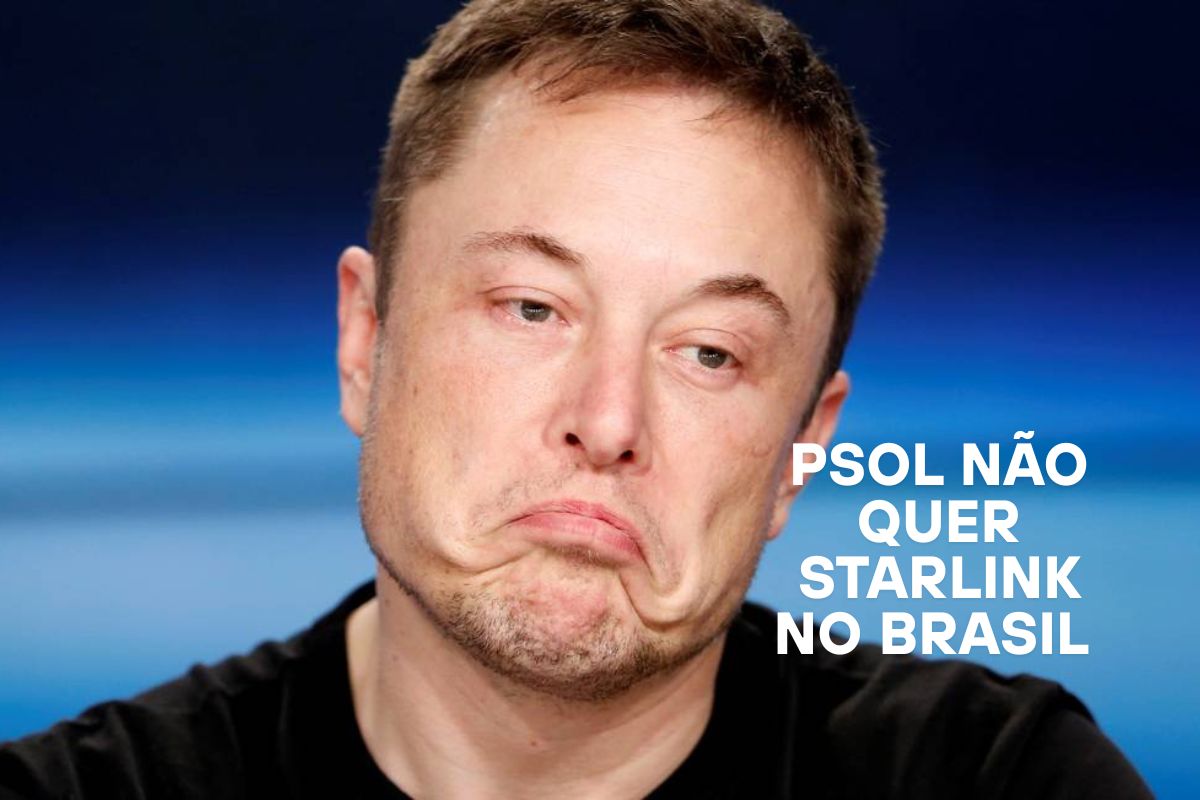
Party Requests Review of Decision That Increased Company’s Number of Satellites in the Country, Claiming Risks to Sovereignty, Data Security, and Competition.
The Socialism and Freedom Party (PSOL) filed a formal request with Anatel. The party contests the decision that authorized the expansion of Elon Musk’s Starlink satellite constellation in Brazil.
According to PSOL, the measure threatens Brazilian sovereignty. It also jeopardizes data security and competition in the telecommunications sector. Starlink recently received permission to expand its operations.
The Formal Request from PSOL Questioning the Authorization of Elon Musk’s Starlink in Brazil

PSOL announced that it has formalized its contestation with Anatel. The party filed a specific request with the National Telecommunications Agency. The target of the questioning is the decision that benefited Elon Musk’s Starlink, allowing the increase of its satellite network. With this, PSOL seeks to review the authorization granted to the American company.
-
Brazilian Joins Homeownership Consortium, Faces Decade of Dual Payments Totaling $141,000, Surpassing Traditional Mortgage

-
Land Rover to Halt Production in July, Putting 371 Jobs at Risk, as Chinese Automaker Negotiates to Convert Factory to 100,000 Vehicles Annually by 2027

-
Mexican Pest Threatens U.S. Cattle Herds at Historic Lows, Potentially Boosting Brazilian Beef Exports as Burger Prices Soar

-
Brazilian Freight Bill Progresses in Congress with $5,000 Minimum Wage, 70% Advance Payment, and Fines Up to $1 Million, as Agriculture and Industry Warn of Rising Costs and Legal Uncertainty


Anatel’s Decision That Expanded Starlink’s Network
The decision from Anatel contested by PSOL allowed for a significant expansion of Elon Musk’s operation in the country. The number of low-orbit satellites authorized to operate in Brazilian airspace increased considerably.
The limit rose from about 4.4 thousand to up to 11.9 thousand satellites. The authorization also extended the use of additional frequencies by Elon Musk’s Starlink. This included the new E band. The permission granted by the agency is valid until March 2027.
PSOL’s Arguments
PSOL argues that the decision favoring Elon Musk’s Starlink poses several threats. The party points to risks to national sovereignty. The security of Brazilian citizens’ data would also be in danger, according to the request. PSOL argues that competition in the telecommunications sector could be harmed by the expansion of the company.
In an official statement, PSOL harshly criticized how the decision was made by Anatel. The party claims that the authorization for Starlink was granted without the necessary technical and legal rigor required. According to PSOL, this approval disrespects fundamental principles set forth in the Federal Constitution. The party questions, therefore, the validity of the analysis conducted by the regulatory agency.





Be the first to react!