Portuguese
  Spanish




The Hostile Stance of Argentina’s Elected President Towards Lula Creates Uncertainty About the Future of the Relationship Between the Two Countries in the Gas Market.
The victory of Javier Milei in the Argentine presidential election raises questions about the relationship between Brazil and Argentina and the energy integration project, especially regarding natural gas, between the two economic powers of South America.
During the electoral campaign, Milei publicly expressed his opposition to the current Brazilian president, Luiz Inácio Lula da Silva (PT), and to the ruling candidate Sergio Massa, minister of Finance under Alberto Fernández. He aligned himself with former president Jair Bolsonaro (PL) and emphasized his hostile rhetoric towards the Brazilian president, reinforcing his opposition to Massa’s government, which this year intensified negotiations on the plan to export gas to the Brazilian market.
The Impact of the New Gas Arrangement in the Southern Cone
The participation of Banco Nacional de Desenvolvimento Econômico e Social (BNDES) in the expansion of the second section of the Nestor Kirchner gas pipeline in Argentina was a recurring topic in diplomatic meetings between presidents Fernández and Lula throughout this year.
-
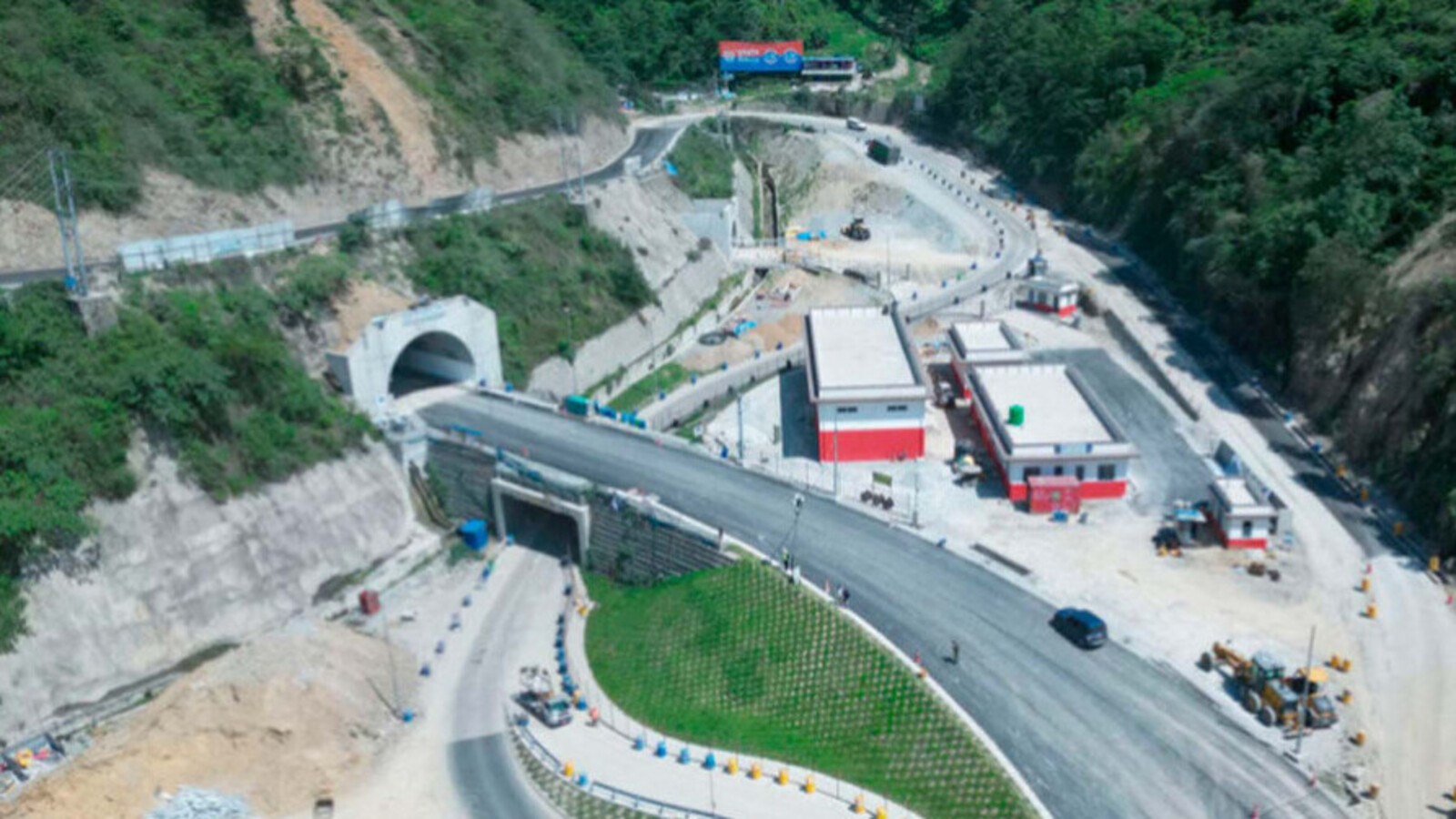
OPEC+ Boosts Oil Supply by 188,000 Barrels per Day in July 2026, Leading to Price Drop from $112 to $89 per Barrel in Under Two Months

-
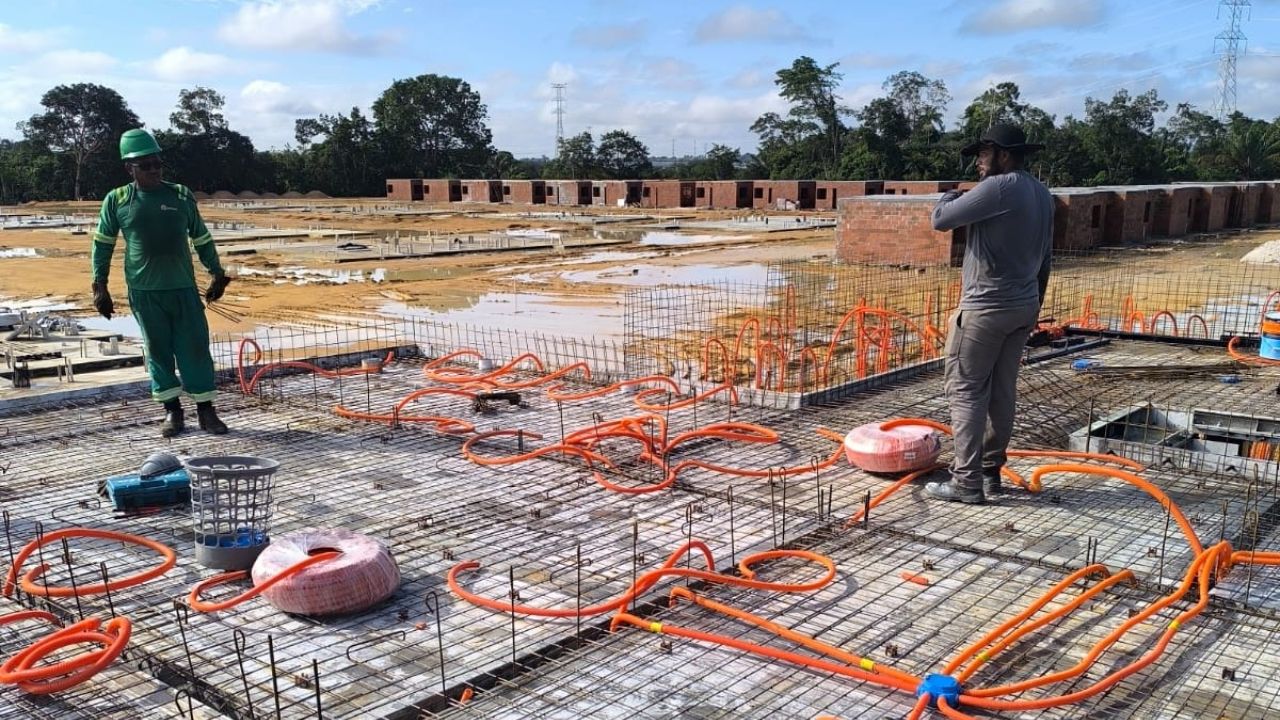
TotalEnergies Signs 20-Year Deal to Purchase 2 Million Tons of LNG from Alaska, Boosting Project Viability
-
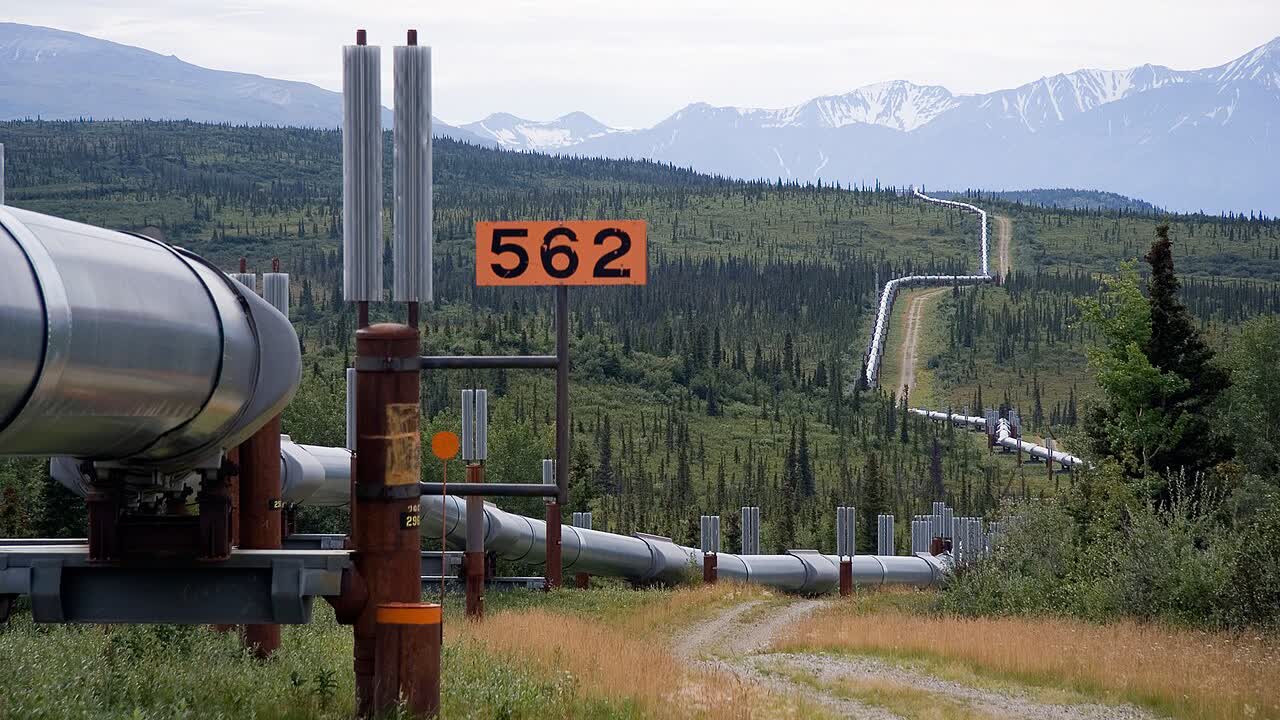
Turkey Deploys Çağrı Bey Drilling Ship to Explore New Oil Frontier Off Somalia’s Coast
-
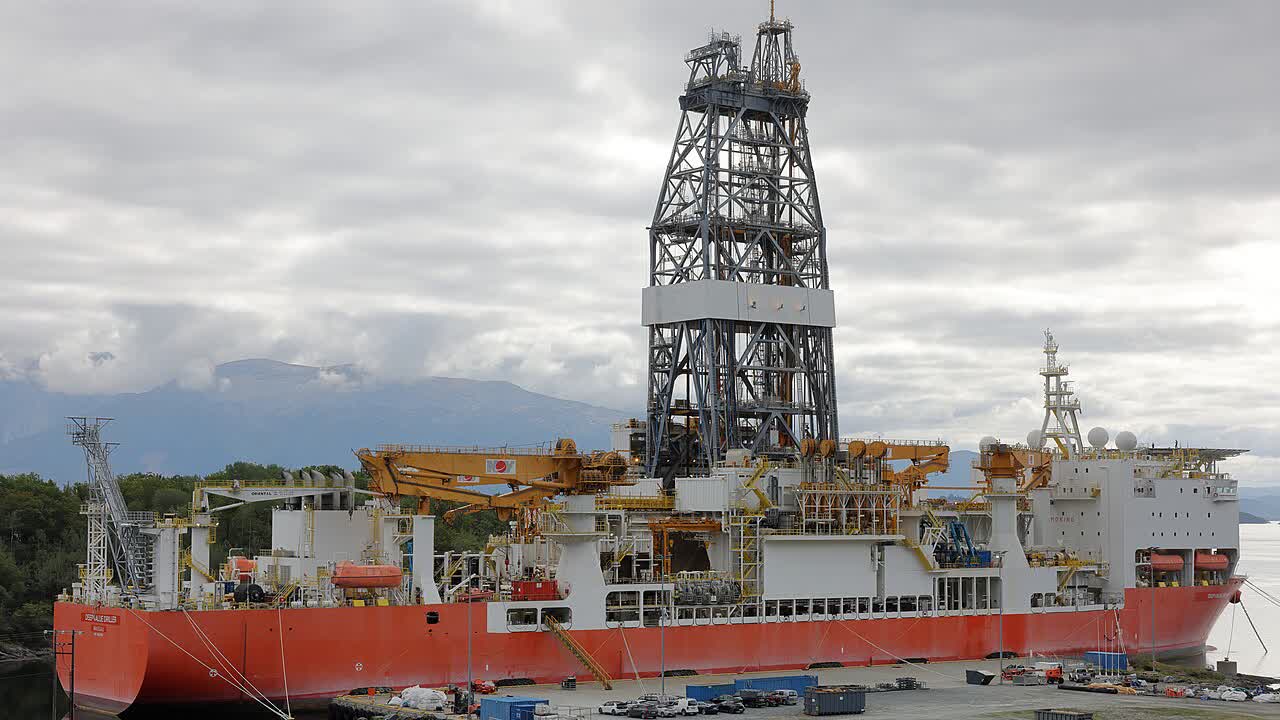
Golden Pass LNG Ships First Liquefied Gas Cargo from the U.S., Completing $10 Billion QatarEnergy and ExxonMobil Investment


The potential for exporting gas from Vaca Muerta in Argentina to Brazil has sparked interest among Brazilian businessmen. The possibility of importing competitive gas for the industry has raised expectations regarding the future of the gas market between the two countries.
However, in light of Milei’s government, how will this rapprochement in the gas market between Argentina and Brazil unfold?
During the campaign period in Argentina, Milei frequently criticized the Brazilian president, calling him corrupt and a socialist with totalitarian inclinations. Additionally, he stated that he would not negotiate with the member of the Workers’ Party. Milei’s statements sparked controversy and became a subject of public debate.
Milei expressed his opposition to business with China and any communist country, claiming to defend freedom, peace, and democracy. In an interview, he stated that the communists and Chinese do not fit these values, and also mentioned Putin and Lula as examples.
Change in Tone
However, in recent weeks, Milei has adopted a more moderate tone, especially on the eve of the Argentine presidential elections. He indicated that he believes in the opening of international trade and mentioned that commercial relations between the private sector of Brazil and Argentina will continue, despite his belief that the state should not interfere in international relations.
International Trade and Diplomatic Relations
The candidate stated that he disagrees with claims that he is against trade with China and Brazil, emphasizing that he believes it is a matter for the private sector. He argued that state intervention generates corruption and harms the well-being of Argentines.
Reaction After the Election
After the election results, Lula congratulated the new Argentine government, without mentioning Milei, and expressed willingness to cooperate with Argentina in the future.
The presence of Lula at the inauguration of the new Argentine president is considered unlikely, according to Foreign Relations advisor Celso Amorim. He stated that due to the personal insults that Lula has suffered, it is very difficult for him to attend.
According to information provided by the former president’s lawyer, Fabio Wajngarten, Milei contacted Bolsonaro after the victory and invited him to the inauguration ceremony.
Integration in the Gas Market Between Argentina and Brazil
After Milei’s victory, the Brazilian ambassador in Buenos Aires, Julio Bitelli, communicated to CNN that sources close to the new Argentine president confirmed interest in maintaining the integration project in the gas market with Brazil. This decision represents a new step in the relationship between the two countries.
I spoke about this matter with people connected to Milei, and it is evident that, due to the economic perspective of the elected president, who prioritizes economic efficiency over other aspects, it is in Argentina’s interest that gas can be exported to Brazil,” the Brazilian ambassador told CNN Brasil.
In Brazil, the Ministry of Finance believes that, in the short term, Milei will adopt a more moderate and pragmatic stance in economic relations with Brazil and is unlikely to abandon Mercosur, according to a report from O Globo.
Political Challenges in Argentina for Javier Milei
Javier Milei faces the challenge of establishing political alliances in the Argentine Congress to ensure his governability, as his party, La Libertad Avanza, is a minority in both the Chamber of Deputies and the Senate. With only 39 of the 257 deputies and 7 of the 72 senators, Milei will need to seek support from other blocs to approve his proposals and bills in the new composition of Congress.
The energy integration between Brazil and Argentina is not unanimous. In August, the primary elections confirmed Milei’s strengthening in the presidential race, and his energy advisor, Eduardo Rodríguez Chirillo, expressed some unfavorable opinions about the gas export plan to Brazil through the pipeline.
Eduardo Rodríguez Chirillo is a consultant who worked with Energy Secretary Carlos Bastos during Carlos Menem’s first government in the 1990s, a period when the sector underwent a deregulation and privatization process.
According to Chirillo, it is the responsibility of the private sector to build and finance the export infrastructure. He also argued that it would be more advantageous for Argentina to export gas from Vaca Muerta via liquefied natural gas (LNG), which would bring more flexibility due to the seasonal nature of Argentine gas, and more freedom for companies to access markets beyond Brazil.
To claim that Brazil will acquire all the gas it needs from us is uncertain due to the construction of seven LNG terminals for gas transportation, as well as Bolivia’s permission to sell gas to Brazil.
According to Pedro Silva Barros, coordinator of the project “Regional Integration: Brazil and South America” from Ipea, it is premature to assert any positive or negative impact on the energy integration between Brazil and Argentina, given the new political situation.
Challenges in Infrastructure Integration Between Brazil and Argentina
The current moment is marked by more uncertainties than certainties, which makes it difficult for investments in infrastructure between the two countries. For advances in this regard to occur, it is essential to build political conditions that provide stability and security.
Specialist Barros expresses skepticism regarding the possibility of a gas market integration project between the two countries materializing quickly. Despite the foundations established by the governments of Lula and Alberto Fernández, a joint plan of this type requires long-term decisions that need to mature in a favorable environment.
First and foremost, it is crucial to understand what management approach Milei will adopt. Despite having taken a stance against collaboration with the Brazilian government under Lula during his presidential campaign in Argentina, there is room for the development of energy integration between the two countries.
It is important to consider that there is a difference between the candidate during the campaign and the governing leader. Starting on December 10, when his term begins, Milei will start to govern. However, the question remains about what style of governance he will adopt: the same as in the first round or a more moderate approach, similar to that of former Argentine president Mauricio Macri? This is the issue raised by Barros, former director of Economic Affairs at the Union of South American Nations (Unasur).
It is undeniable that integration between Brazil and Argentina depends on fluid dialogue and a broad understanding between the governments. This integration is facilitated by the extensive border, the diversity of commercial relations, and the importance of the joint economic agenda. Even in the face of more complex issues, such as political differences, it is possible to establish a positive agenda in specific projects, like that of the gas pipeline. The complementarity between the two countries remains a significant advantage for the realization of a solid economic partnership.
Barros emphasizes the importance of private sector involvement in both countries.
The responsibility for decision-making now lies with the Argentine government. Barros reminds that the Brazilian government has a clear position: it wishes to establish a state-to-state relationship with the neighboring country.
Source: EPBR Agency