





 Portuguese
  English
  Spanish
 4 min of reading
  0 comments


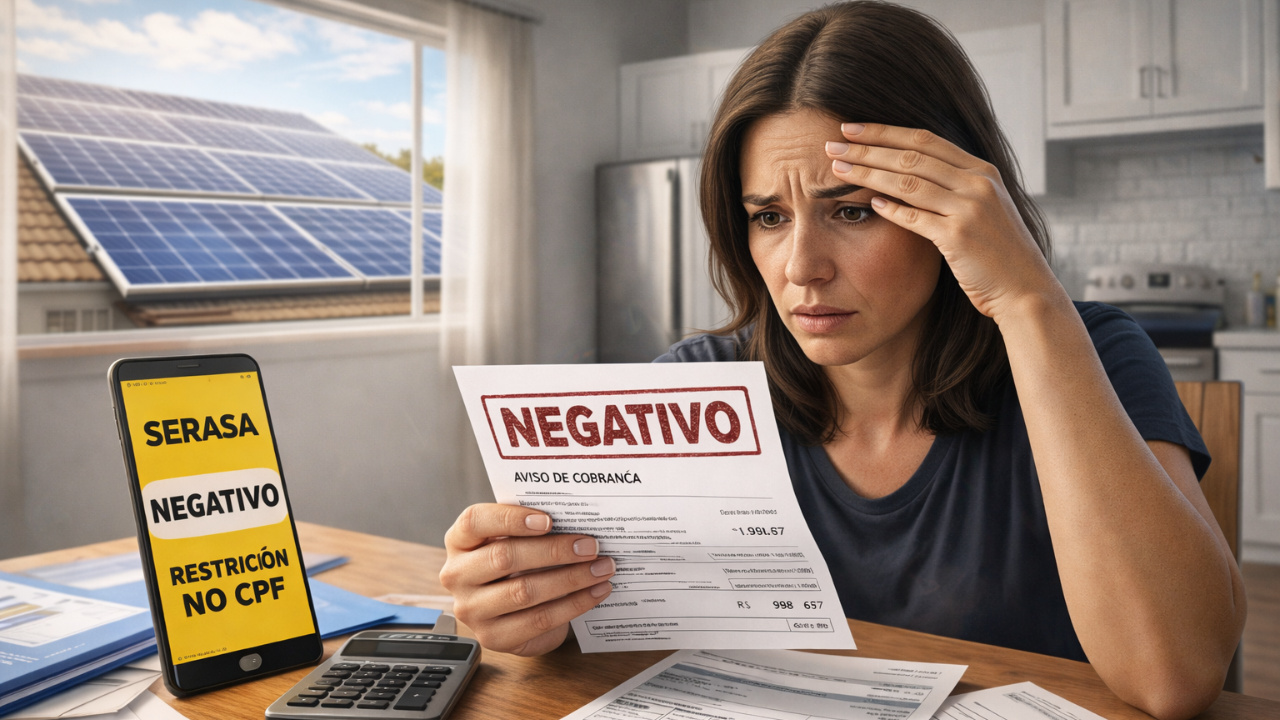
Installed Solar Energy, High Bills Maintained, and Negativated Name Lead MT Justice to Condemn Utility for Service Failure.
Solar energy was the central point of a recent decision by the Court of Justice of Mato Grosso (TJMT), which held an electric utility responsible for maintaining high bills even after the installation of a residential photovoltaic system. The case involved a consumer who, despite investing in her own generation, continued receiving bills above the average and ended up having her name included in default registries.
The analysis was made by the Fourth Chamber of Private Law, which upheld the condemnation imposed in the first instance. For the panel, there was a clear failure in service provision, as the energy generated by the solar panels was not being correctly credited to the electricity bills.
Installation of the Photovoltaic System Did Not Reflect on Bills
According to the records, the solar energy system was installed in May 2023. The consumer expected a significant reduction in bills, as is common in most distributed generation projects. However, in the months of August, September, and October of the same year, the bills remained above the historical consumption standard of the property.
-
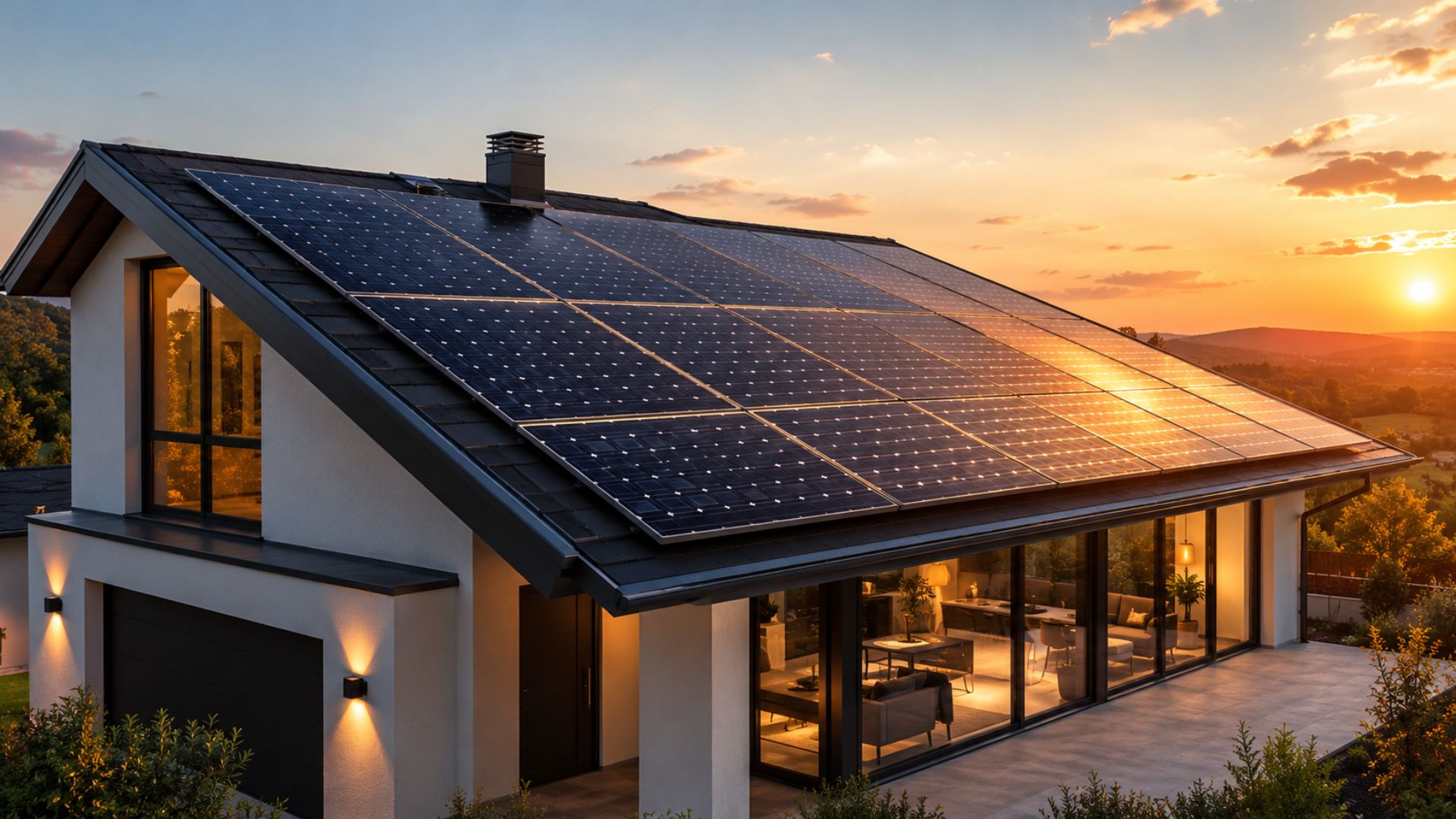
The era of solar panels attached to roofs is beginning to change with transparent glass that generates energy while keeping the view unobstructed, and perovskite photovoltaic windows already tested in offices in Japan promise to transform entire facades into invisible power plants without blocking light or altering the appearance of buildings.

-
The era of silicon alone in solar energy comes to an end with the arrival of perovskite, a material that captures a broader light spectrum, is applied as a thin film, and, together with silicon, reaches a theoretical limit of 45% efficiency in tandem modules.

-
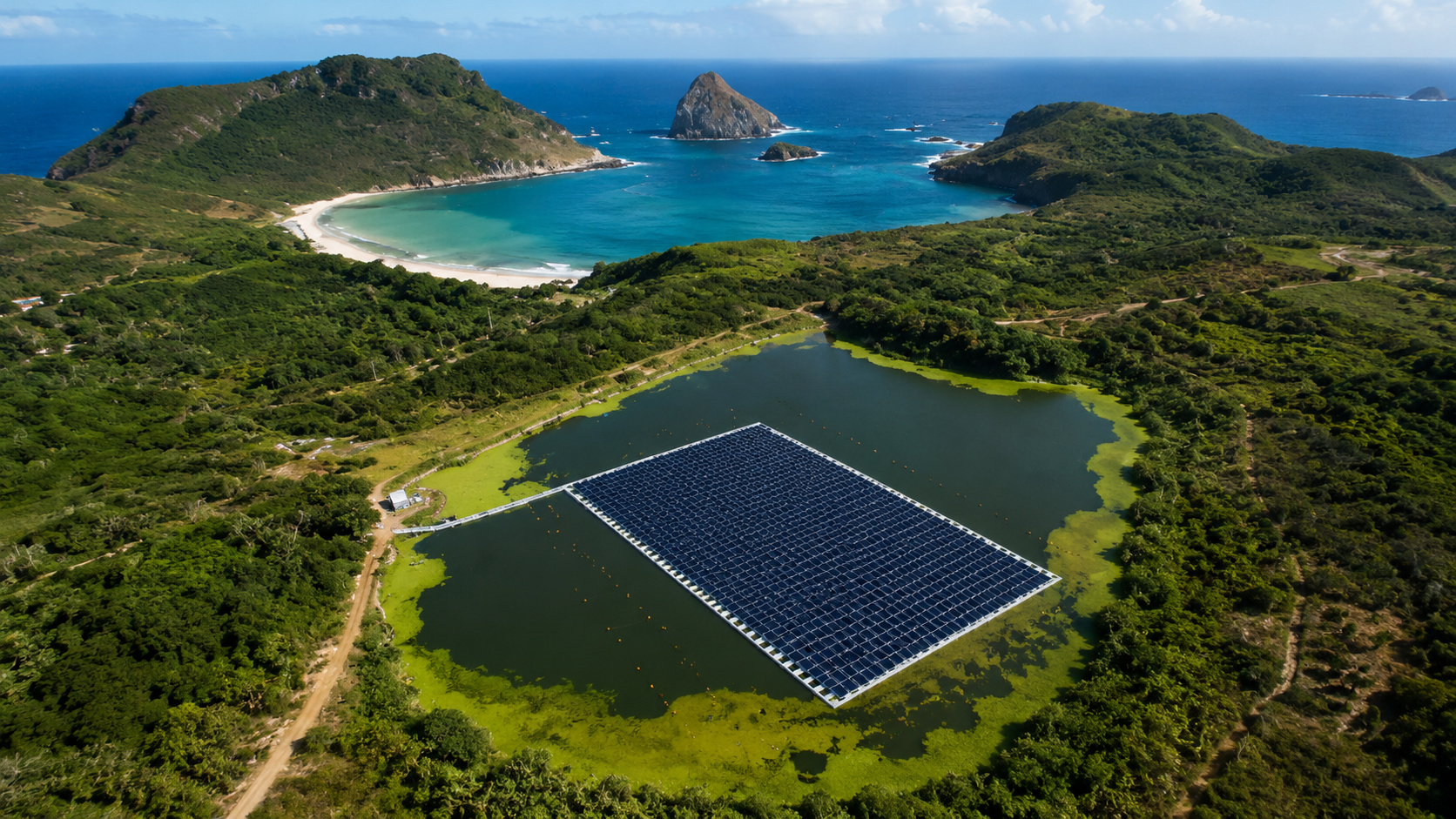
Fernando de Noronha begins unprecedented energy transformation with a R$ 350 million solar plant that promises to replace diesel generation and change the island’s sustainable future by 2027.
-
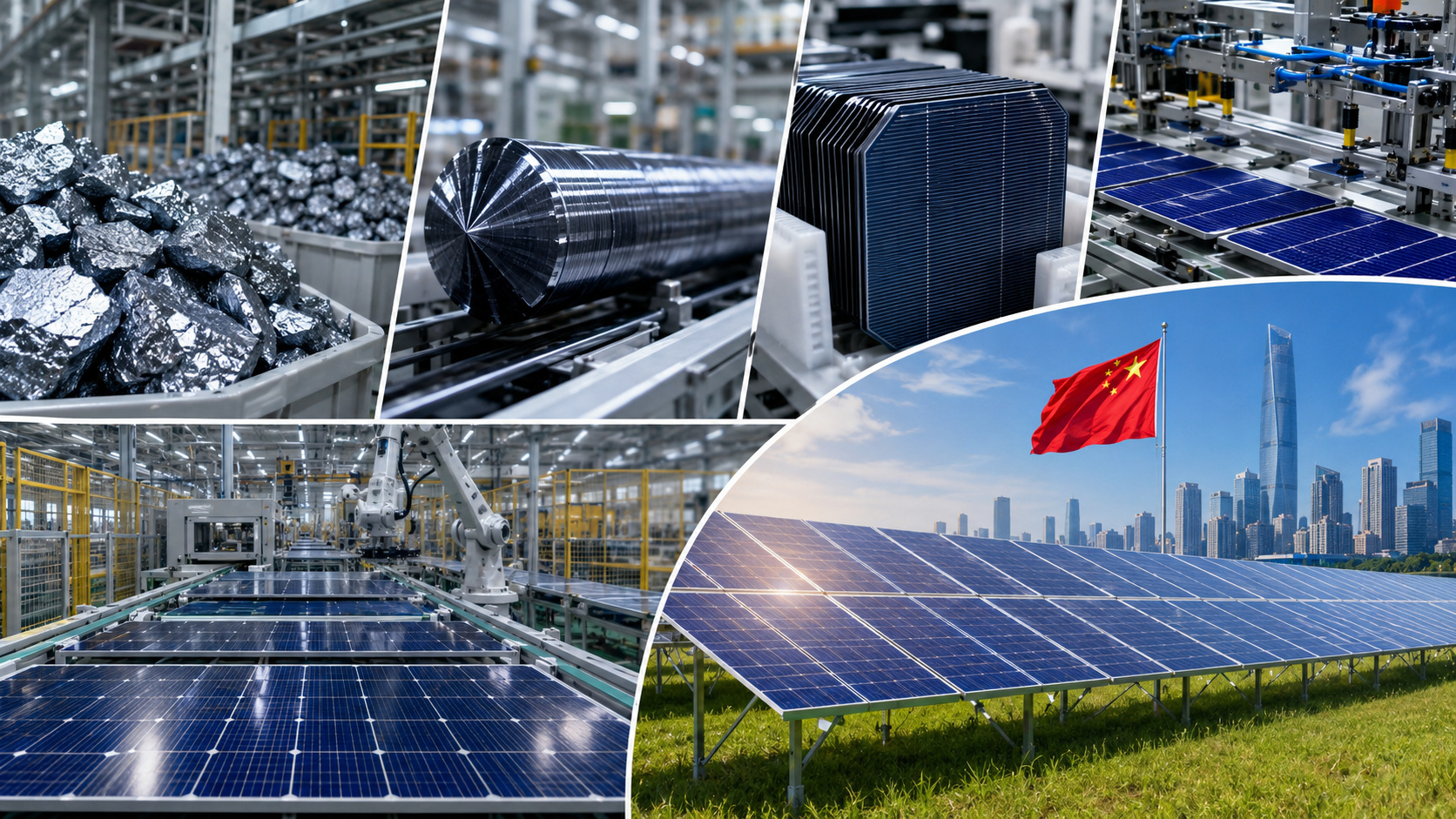
While Europe and the United States rush to save their own solar chains, China already dominates more than 80% of the global manufacturing of solar panels and has turned the sun into an industrial machine controlled by Beijing that is redefining the global energy transition.

Subsequently, there was a significant drop in the amounts charged. This behavior reinforced the understanding that, during a certain period, the compensation of the energy generated was not being applied appropriately by the utility.
This point was considered relevant by the judges, as it indicated inconsistency in the reading, measurement, or billing process of the solar energy injected into the grid.
Utility Claimed External Factors and Denied Error
In its defense, the utility argued that there was no failure in service. It claimed that the increase in bills could be explained by climatic factors, such as the El Niño phenomenon, as well as tariff adjustments and possible increases in the use of electrical appliances by the consumer.
The company also stated that the meter had been duly calibrated by a competent technical body. Thus, it argued that there was no error in the measurement or billing that would justify compensation or review of the charges.
Still, these arguments were insufficient to absolve the utility of responsibility.
Objective Responsibility and Burden of Proof Fall on the Company
Upon analyzing the appeal, the rapporteur, Judge Rubens de Oliveira Santos Filho, emphasized that the relationship between the parties is governed by the Consumer Defense Code. In this context, objective responsibility applies, which does not depend on proof of fault.
According to the understanding of the Fourth Chamber, it was the utility’s responsibility to demonstrate, in a technical and consistent manner, that there was no failure in the compensation of the solar energy. However, no reports, expert opinions, or documents capable of justifying the elevated charges were presented.
The Court also emphasized that the regularity of the meter, in isolation, does not exclude the possibility of error in the compensation system, which involves multiple stages, such as reading, data processing, and final billing.
Lack of Evidence Prevents Transfer of Blame to the Consumer
Another relevant point of the decision was the absence of evidence of failures in the installation or operation of the consumer’s photovoltaic system. Without this evidence, it was not possible to transfer the responsibility for the problem to the user.


For the judges, the utility was unable to demonstrate that the origin of the charges was related to defects in the equipment or misuse of solar energy. Thus, the prevailing understanding was that the failure occurred in the public service provision sphere.
Undue Negativation Generates Compensation for Moral Damage
In addition to the review of charges, the Court recognized the existence of moral damage. This is because the consumer’s name was included in default registries based on what were considered irregular debts.
In the panel’s assessment, undue negativation goes beyond mere annoyance and directly affects the honor and credit of the consumer. For this reason, the compensation set at R$ 5,000 was upheld, deemed proportional to the severity of the situation and consistent with similar precedents.
Decision Reinforces Attention to Correct Use of Solar Energy
The decision, recorded in the 25th Electronic Bulletin of the TJMT, in case No. 1013014-08.2024.8.11.0003, reinforces the need for heightened attention from utilities in managing solar energy generated by consumers. The Court’s understanding makes it clear that failures in compensation cannot be passed on to the user, especially when resulting in excessive charges and credit restrictions.







Be the first to react!