Portuguese
  Spanish


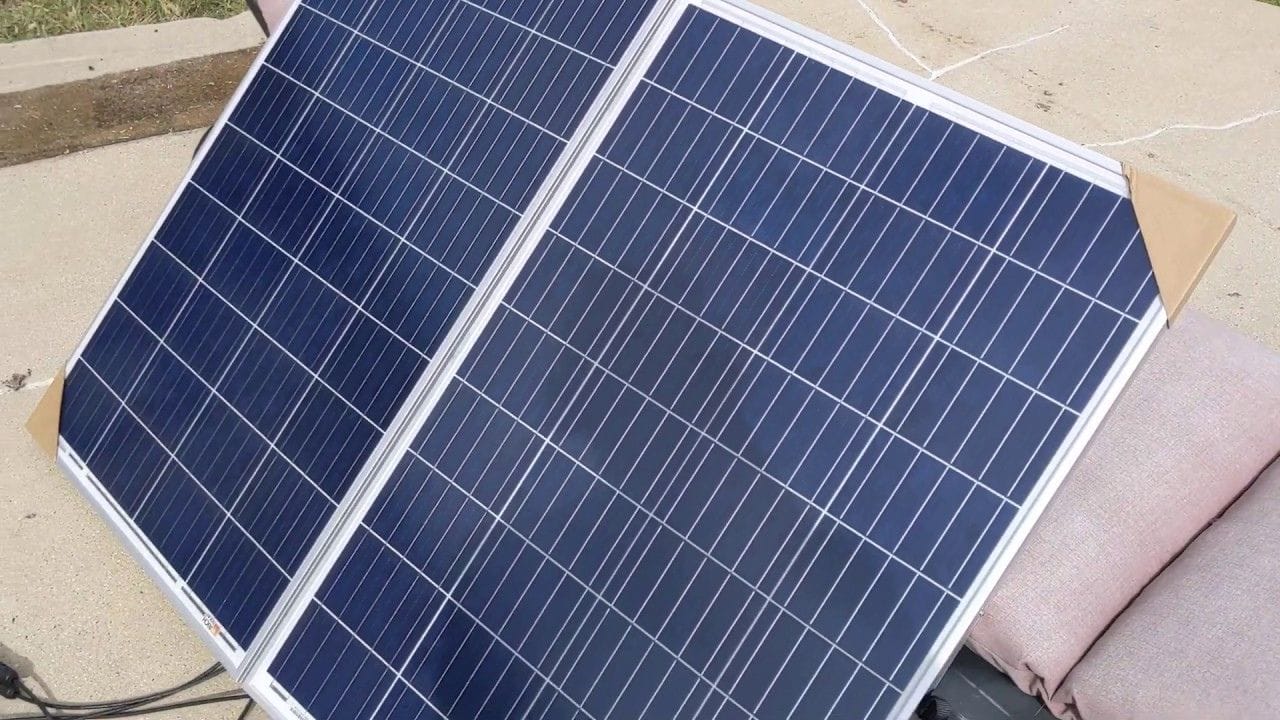

Using Just Two Solar Panels, Off-Grid Autonomous System Capable of Powering an Inverter Refrigerator and Other Devices, Highlighting the Practicality and Energy Efficiency of Solar Technology in Residences.
In an era where the search for sustainable energy alternatives becomes increasingly vital, solar panels emerge as silent heroes of innovation in the solar energy sector. But how does an off-grid system using just two solar panels power a refrigerator? This system not only powers a refrigerator but also other devices, marking a significant step towards energy self-sufficiency.
Two Solar Panels and a Working Refrigerator


Composed of two solar panels of 210 watts each, connected in series, the system is a true demonstration of effectiveness. The heart of this system is a control panel with a 40 Amp charge controller, accompanied by a Pure Sine Wave inverter from Solar Onda, circuit breakers, grounding, and a Moura stationary solar battery of 234 A. The star of the show? An inverter refrigerator, connected and operating perfectly, highlighting the viability of solar energy in everyday tasks.
Inverter Refrigerator: The Ideal Choice for Off-Grid Systems
A notable aspect of Igo’s implementation is the use of an inverter refrigerator. Unlike traditional refrigerators, which require a high energy peak upon starting, the inverter refrigerator begins its cycle smoothly, avoiding overloads on the system. This means that even a moderately sized inverter, like a 300W or 500W, can operate these refrigerators without difficulties, thanks to the absence of significant energy peaks. This not only saves energy but also protects the inverter and battery from unnecessary wear, extending the system’s lifespan.
-
Fired during apartheid and with a little borrowed money, an electrician started with a borrowed truck and transformed electrical services into a group connected to energy, real estate, and infrastructure in South Africa.

-
Wood has ceased to be just a construction material in Yale research and has become insulation for electrical transformers that face intense heat, aging, and increasing pressure from the renewable energy-powered grid.
-
More than 1,000 residents of a remote island in Kiribati now have clean water and electricity with solar systems operated by the community itself.
-
Ceará brings together 7 giants and R$ 66 billion to transform Pecém into the largest green hydrogen hub in Brazil, with final decisions expected by the end of 2026.



For those considering the implementation of an off-grid system, Igo’s story serves as a rich source of inspiration and learning. Choosing an inverter refrigerator, for example, proves to be a smart decision that can optimize the system’s performance and efficiency. These refrigerators, in addition to being more energy-efficient, avoid energy peaks that can lead to a premature switch to the utility power source, ensuring a more stable and efficient operation of the system.
By powering a refrigerator and other devices with just two solar panels, solar energy demonstrates not only its viability but also its effectiveness as a sustainable and accessible solution.
What is the Inverter System in Refrigerators?
The inverter system in refrigerators is an advanced technology that adjusts the compressor’s speed to the required cooling level in real-time. Unlike traditional compressors, which turn on and off completely, causing energy spikes, the inverter system operates continuously, varying its power. This not only reduces energy consumption but also minimizes compressor wear, prolonging the appliance’s lifespan.
Inverter Refrigerator vs. Conventional Refrigerator: Understanding the Differences
Although the terms may seem similar, they refer to distinct characteristics:
- Inverter Refrigerator: Refers to the compressor technology, capable of adapting its operation according to refrigeration needs, ensuring greater energy efficiency and reduced electricity consumption.
- Conventional Refrigerator: Describes the refrigerator’s design, with the fridge located on top and the freezer below. This configuration is designed to facilitate access to the most commonly used foods, which are typically stored in the fridge, reducing the need to bend down to reach items in the freezer.
But What is the Most Economical Inverter Refrigerator?
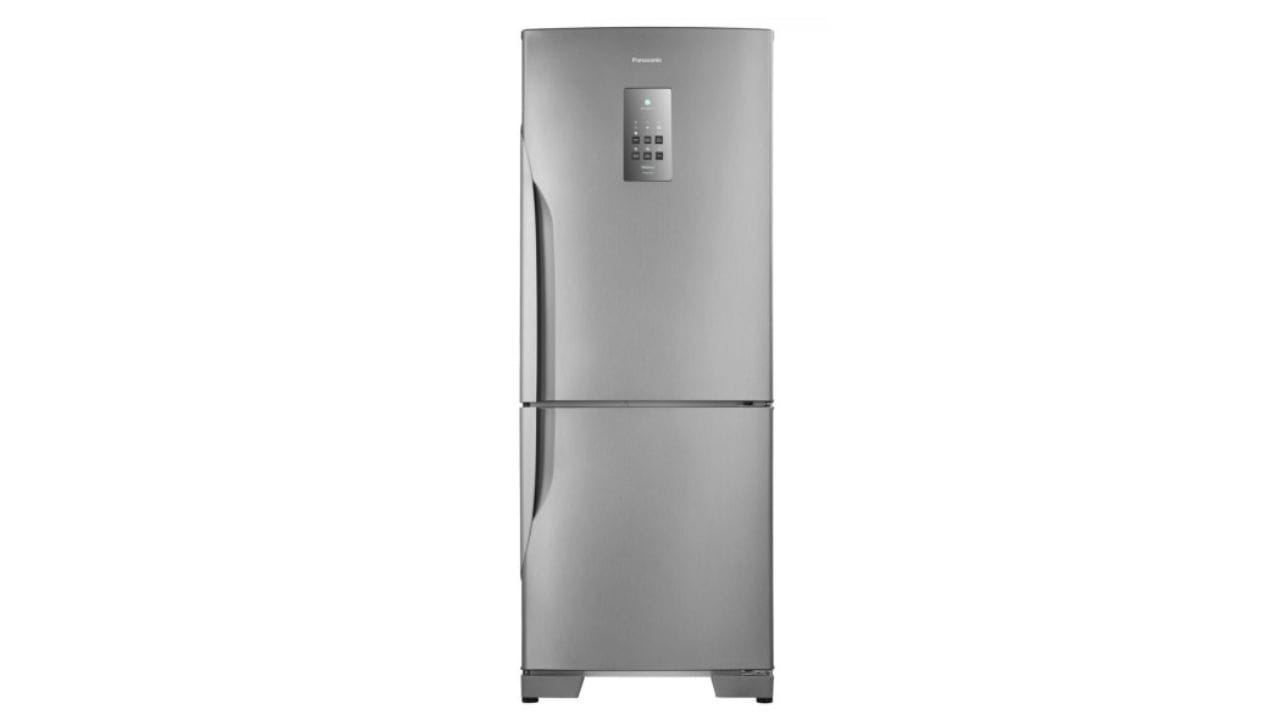
Among the options available in the market, the Panasonic Econavi NR-BB53PV3X refrigerator stands out as one of the most economical. Equipped with inverter technology, it not only operates more quietly but also promises over 36% savings on electric bills. This model is a prime example of how technological innovation can be applied to promote sustainability and energy efficiency in home appliances.