






 Portuguese
  Spanish
  5 min of reading
  0 comments


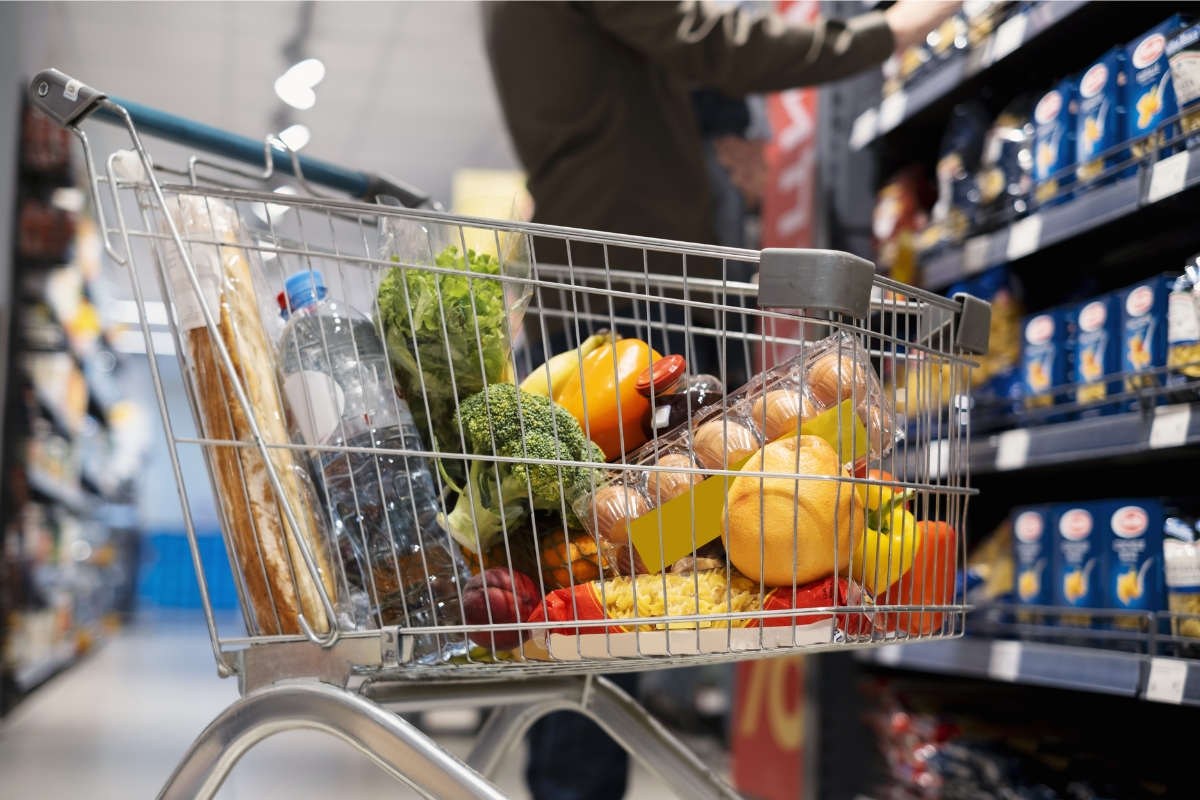
Even With Rising Income, Brazilians Continue to Feel the Pinch. Inflation, High Exchange Rate, and Prices Above the Global Average Keep the Cost of Living Among the Highest, While Purchasing Power Advances Only Slightly
The income of Brazilian families has improved in recent months, but this progress is still not enough to ease the feeling of a tight budget at the end of the month. For a large portion of workers in classes B, C, D, and E, a significant part of their salary remains tied up in basic expenses, and the perception that “everything is expensive” remains dominant.
A survey by g1 compared consumer spending in Brazil, the United States, and Portugal on a basket of goods common to all three countries. The analysis is merely illustrative, as it does not consider average consumption habits, but it helps to show the magnitude of the difference in the burden of prices on the budget.
While a Brazilian earning a minimum wage would commit 13.22 percent of their income to this basket, a Portuguese worker would spend about 5.13 percent. In the United States, the impact would be even lower, at 4.08 percent. Experts explain that the discrepancy is related to persistent inflation, a high exchange rate, and historical limitations on purchasing power in Brazil.
-
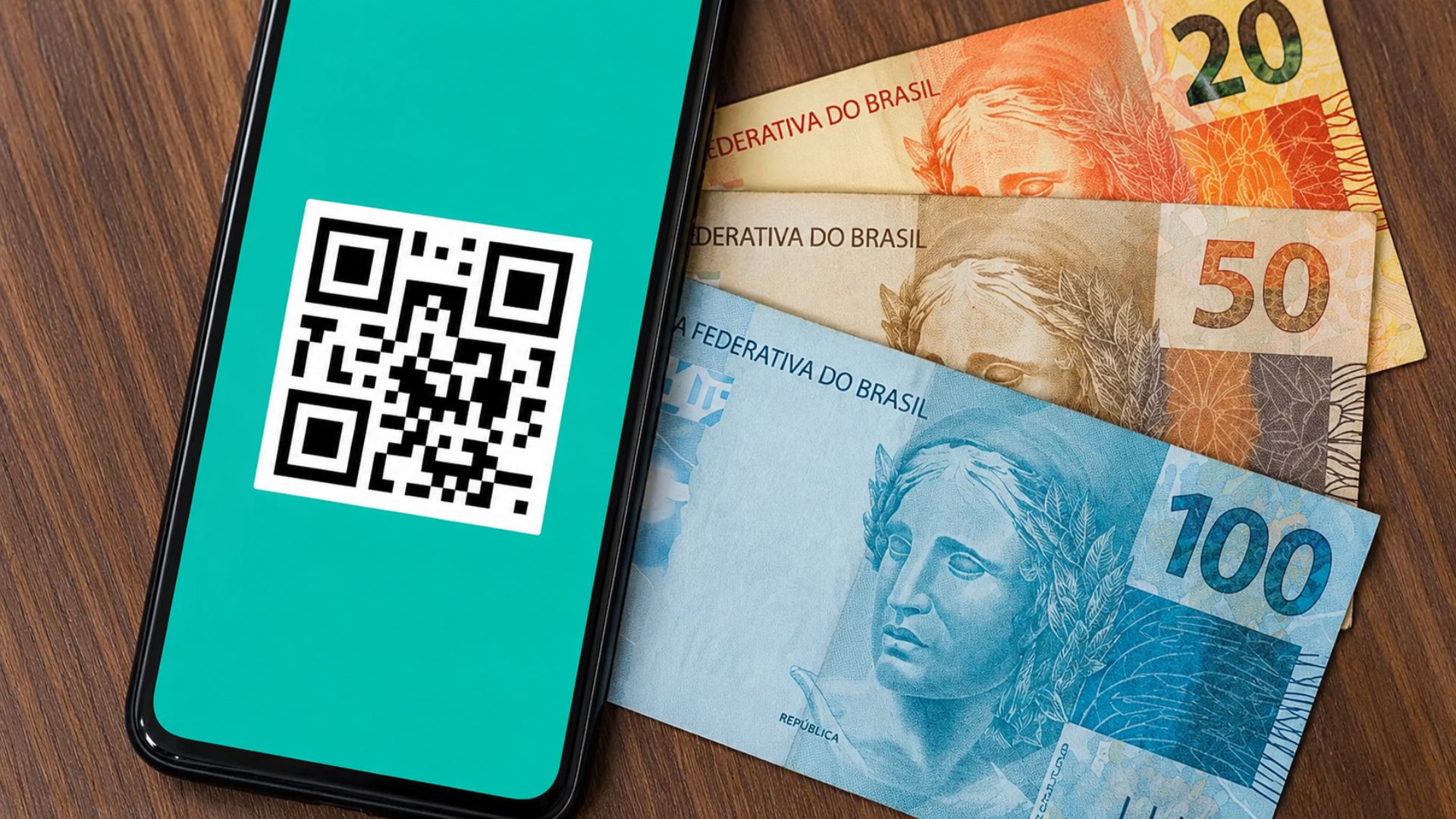
Paper money is disappearing from Brazilians’ pockets, with the issuance of new banknotes dropping by 31% from 2020 to 2025, amid the explosion of Pix, which became the most frequent payment method for 46% of the population, while cash plummeted from 42% to 22%.

-
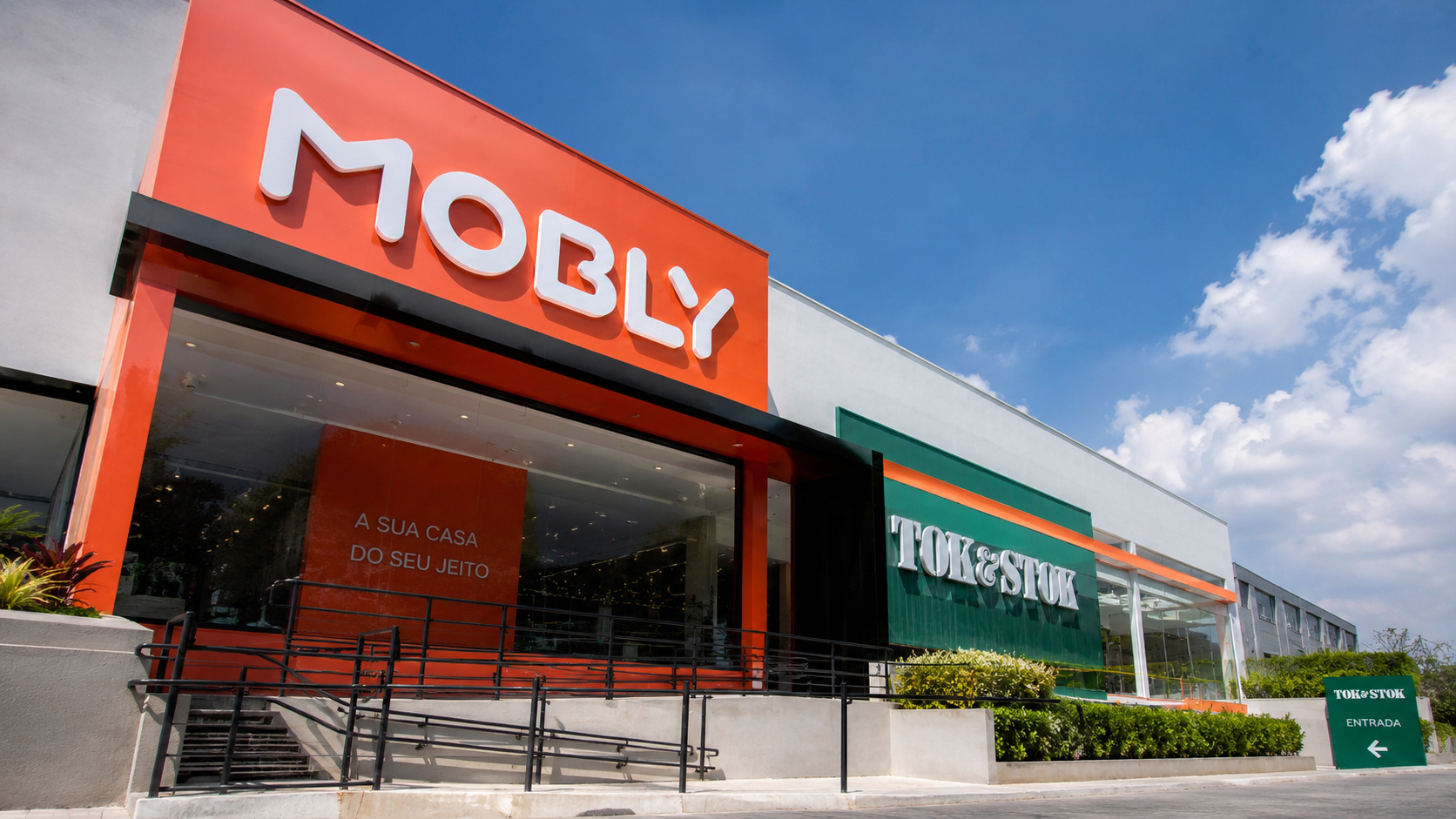
Owner of Tok&Stok and Mobly raises alert in retail, sees debt exceed R$ 1 billion and rushes to court to try to save stores, jobs, and essential operations

-
China connects to the power grid the largest ultra-large battery storage station ever built in the world and signs a billion-dollar contract that consolidates a technology capable of sustaining entire cities with clean energy.
-
The next few hours will be marked by increasing tension regarding the stance to be adopted by the Central Bank’s Monetary Policy Committee (Copom/BC) concerning the benchmark interest rate (Selic) at the end of this Wednesday’s (17th) meeting. Although the market is ‘divided’ on the committee’s decision, the stronger trend in recent weeks is that the rate will remain unchanged at the current level of 14.50% per year. Meanwhile, a minority faction still ‘bets’ on a 0.25 percentage point (p.p) decrease.



High Inflation Limits the Advancement of Real Income
Despite the recent increase in earnings, the data shows that the relief is still modest. The Continuous PNAD from IBGE indicates that the average real income of Brazilians reached 3,540 reais in the third quarter of this year, a growth of 4 percent compared to last year. However, the cost of living continues to rise.
The IPCA accumulates 4.68 percent over 12 months, still above the Central Bank’s target of 4.5 percent. This pressure reduces the room for income to grow consistently and diminishes the sense of financial improvement.
According to Bertha Rohenkohl, an economist and researcher at Our World In Data (OWID), Brazil is classified as a high-middle-income country by the World Bank, but GDP per capita remains below that observed in developed economies and even some neighbors in South America.
According to the researcher, even with lower domestic prices than those in wealthy countries, the difference does not compensate for the gap between income levels. Senior World Bank economist Hugo Ñopo emphasizes that the gains in purchasing power accumulated between 2001 and 2015 lost momentum starting in 2016. Inflation eroded nearly everything. Between 2016 and 2021, general prices rose by 36 percent, and food prices soared by 46 percent. The result was a lower real income for the poorest 40 percent of the country.
In recent years, the trend has continued. Food, gasoline, and the appreciation of the dollar have pressured the cost of living. Even with a slight decline in the U.S. currency this year, the exchange rate still operates well above the pre-pandemic period. Since 2019, the dollar has appreciated by 32.1 percent and closed the most recent trading session at 5.2967 reais.
Brazil Is Among the Countries with the Highest Prices in the World

To compare costs of living, OWID uses the Price Level Index (PLI), based on Purchasing Power Parities calculated by the World Bank. This indicator compares how much is needed to spend to acquire the same basket of goods and services in different countries, with the United States as the reference.
The PLI shows that Brazil has average prices higher than 52 percent of the 192 evaluated nations. In theory, wealthy countries tend to have higher prices, but Brazil stands out as an outlier. Even with lower incomes, the country has prices that often exceed those of more developed economies.
Among the countries that manage to offer cheaper goods and services even with a GDP per capita higher than Brazil’s are Armenia, Bulgaria, the Dominican Republic, Kazakhstan, Malaysia, Romania, Russia, Thailand, and Turkey. According to Marko Rissanen, manager of the World Bank’s Price and International Comparisons Program, this means that families in these countries can buy more with what they earn.
The expert explains that differences in purchasing power are linked to income distribution, wage levels, employment conditions, families’ ability to save, tax policies, and structural characteristics of the economy, such as productivity and the composition of sectors that drive activity.
Rohenkohl emphasizes that comparisons need to be made cautiously. This is because the price data used by the World Bank is from 2021. From that period on, part of the information begins to rely on projections, which reduces accuracy. Moreover, the PLI reflects the GDP basket, not exactly the daily consumption of families.
Expectations for the Coming Years
According to economists surveyed, the feeling of a high cost of living is expected to continue. Income may rise, but inequality remains high and limits the advancement of purchasing power. Joelson Sampaio, an economics professor at FGV, notes that the concentration of wealth and the structure of the labor market help explain why Brazil is making slow progress in this area.
Rohenkohl further points out that productivity, especially in the services sector, and the expensive dollar continue to be factors influencing domestic prices. She states that, even with favorable exchange rate fluctuations throughout the year, the impact has still not been sufficient to alleviate costs.
The global scenario also does not help. High inflation in various countries and economic uncertainties slow the pace of recovery of real income, and Brazil is following this trend. Import tariffs, subsidies, and the level of competition in the domestic market also weigh on the final price to consumers.
At the end of the day, even with some improvement in income, living in Brazil remains expensive for a large portion of the population. The combination of high prices, limited income, and persistent inequality keeps the purchasing power of Brazilians among the most pressured in the world.






Be the first to react!