Portuguese
  Spanish




One Of The Biggest Myths About Electric Cars Is Being Busted By Concrete Data. The Idea That Batteries Wear Out Quickly Loses Traction With A New Study That Analyzed More Than 10,000 Vehicles. The Results Are Surprising And Could Change The Way Many People View Electric Mobility.
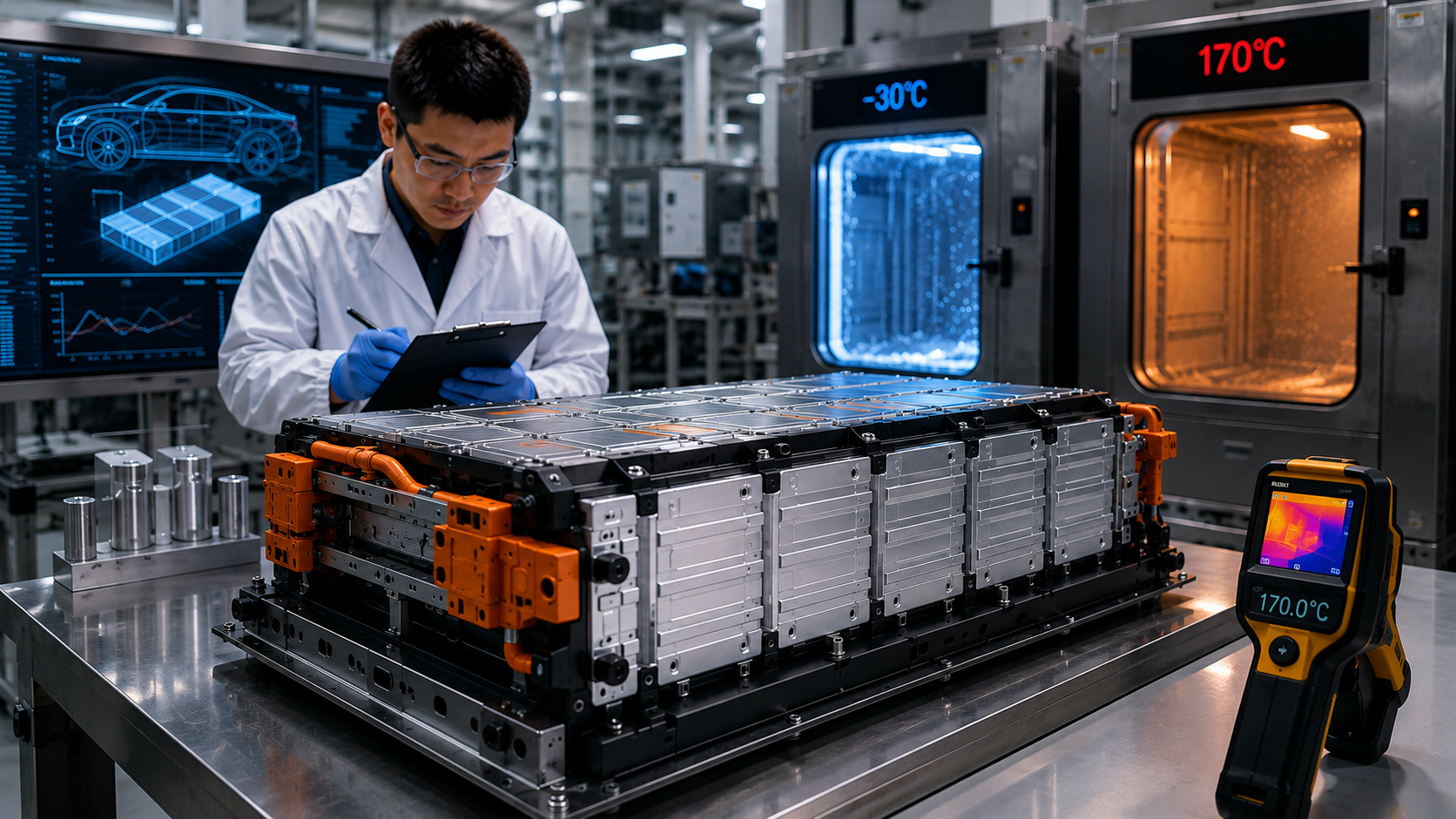
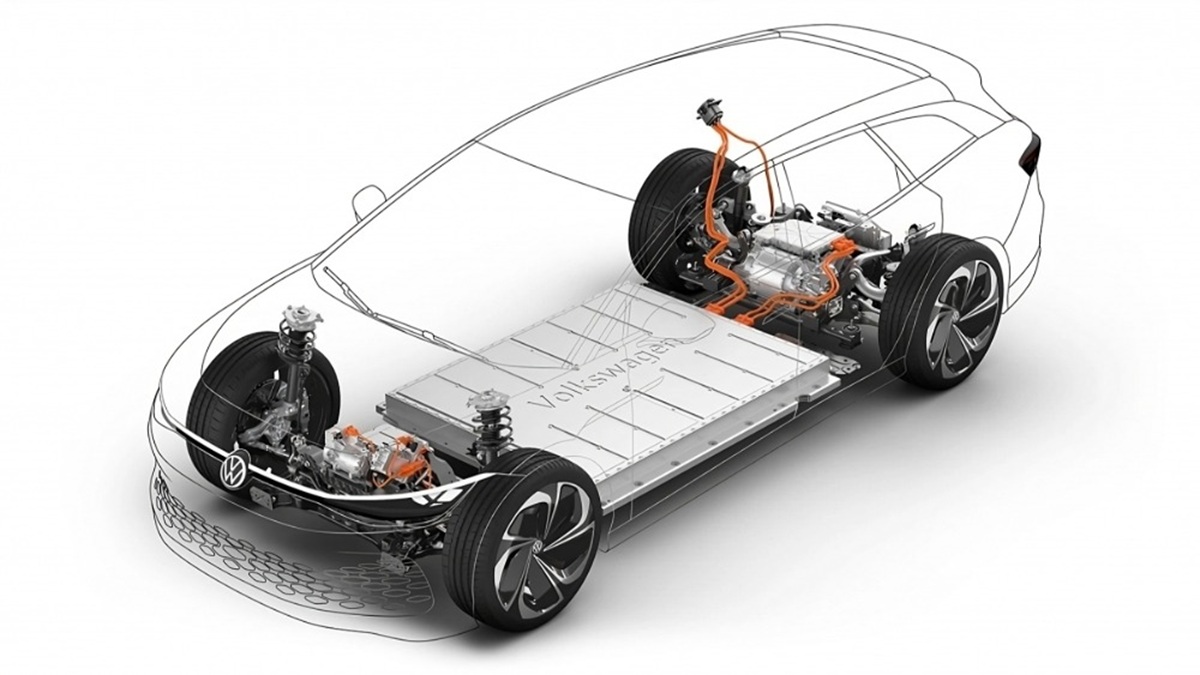
The Durability Of Electric Car Batteries Is One Of The Most Discussed Issues When Talking About This Type Of Vehicle. Many Believe That They Wear Out Quickly And Need To Be Replaced Within A Few Years.
But A Recent Study With More Than 10,000 Vehicles Busts This Myth And Shows That Batteries Age Better Than Expected.
Study Reveals Improvement In Durability
The Analysis Was Conducted By Geotab, A Company That Operates In The Telematics Sector And Has Access To A Large Volume Of Data On vehiclesos.
-
Electric and Hybrid Cars Set to Transform Brazilian Streets: A New Era Begins

-
Chinese Giant Invests $1.3 Billion in Brazil to Produce 50,000 Cars Annually, Create Jobs, Develop Local Suppliers, and Manufacture Electric, Hybrid, and Combustion Models by 2027

-
Unprecedented achievement in India: a colossal 650-ton, nearly 3,000 hp excavator is transformed into 100% electric, marking a new phase in heavy mining.
-
Frightened by the speed of Chinese manufacturers, Renault decided to mimic the pace, made the new electric Twingo in just 21 months, wants to repeat the feat with 36 models by 2030, and along the way, will cut up to 2,400 engineering positions.

The Company Compared Current Data With An Earlier Study Conducted Five Years Ago And Observed That The Average Battery Degradation Is Decreasing.
In 2019, The Average Degradation Rate Was 2.3% Per Year. Now, This Average Has Dropped To 1.8% Per Year.
Geotab Attributes This Improvement To Advances In Battery Technology And Also To Changes In User Behavior, Who Have Begun To Adopt Healthier Habits In Vehicle Use.
Interactive Tool Shows Battery Health
Geotab Also Offers An Interactive Platform That Allows Users To Track Battery Degradation Over Time.
It Is Possible To Visualize Graphs Of Various Models, Both Electric And Plug-In Hybrids, And Compare The Data With The Overall Average.
The Tool Helps To Evaluate Battery Health At Different Moments, Making The Process More Transparent For Consumers.
Battery Lasts Longer Than The Car
Based On The Data, The Company Estimates That With The Current Degradation Rate, A Battery Can Maintain More Than 80% Of Its Original Capacity After 12 Years Of Use. In Many Cases, This Time Exceeds The Average Lifespan Of The Car Itself.
Geotab Points Out That It Is Possible For These Batteries To Still Maintain Good Capacity For More Than 20 Years, Which Surpasses The Average Lifespan Of Electric Vehicles, Especially Those Used In Fleets.
Replacing The Battery Is Rare
From Time To Time, There Are Reports Of Drivers Who Needed To Replace Their Electric Car Batteries. But According To Geotab, This Is The Exception Rather Than The Rule.
Most Batteries Last Longer Than The Car Itself And Do Not Need To Be Replaced During The Usage Period.
In Other Words, The Concern About Frequent Battery Replacements Is Not Supported By The Analyzed Data.
Driving A Lot Does Not Wear Out More
Another Interesting Piece Of Data From The Study Shows That The Number Of Kilometers Driven Has No Direct Relation To Battery Degradation. This Means That Even Cars That Are Used More Intensively Do Not Suffer Much Greater Degradation.
This Is Good News For Those Who Drive A Lot, As The More An Electric Car Runs, The More Economically Advantageous It Becomes.
But Fast Charging Makes A Difference
Although The Number Of Kilometers Does Not Directly Influence Degradation, The Study Found An Important Relation With The Use Of Fast Charging, Especially The Type Known As DC Fast Charging.
This Type Of Charging Uses Higher Currents, Which Generates High Temperatures And Greater Thermal Stress On The Battery.
According To Geotab, Vehicles That Frequently Use This Resource Exhibit A Degradation Rate More Than Three Times Higher Than The Average.
In Other Words, Charging Quickly Constantly Can Accelerate Battery Aging.
Hot Climate Also Influences
In Addition To Fast Charging, Climate Is Another Factor That Affects Battery Degradation. The Influence Of High Temperatures Is Lower Than That Of Fast Charging, But Still Relevant.
After 48 Months, Vehicles Used In Temperate Climates Retain About 96% Of The Battery’s Original Capacity. Meanwhile, Those Operated In Regions With More Than Five Days A Year Above 27 °C Retain Only 89%.
Therefore, The Environment Must Also Be Considered When Discussing Battery Lifespan.
Degradation Is Not Linear
An Important Point Of The Study Is That Battery Degradation Does Not Follow A Linear Rhythm Over The Years. The Loss Of Capacity Is More Pronounced In The First Years And Then Stabilizes.
At The Beginning Of Its Lifespan, Batteries Tend To Lose More Capacity, But Over Time This Loss Slows Down. In The Final Stages, The Decline Becomes More Pronounced Again.
This Behavior Is Considered Typical In Batteries And Has Been Confirmed By The Analyzed Data.
Data Available To The Public
All The Data And Graphs From The Study Are Available To The Public On Geotab’s Platform.
This Allows Consumers And Interested Parties To Consult Detailed Information About Different Models And Better Understand How Batteries Behave Over Time.
This Transparency Helps Combat Myths And Misinformation, In Addition To Providing More Security For Those Considering Acquiring An Electric Car.
Based On Geotab’s Study, It Is Clear That Concerns About Battery Durability Are Not Justified In The Way Many Believe.
The Majority Last Longer Than The Car Itself, Even With Intense Use.
And Although Factors Like Fast Charging And Hot Climate Influence Degradation, Good Practices Can Preserve Battery Health For Many Years.
The Evolution Of Technology Shows That Batteries Are Becoming Increasingly Reliable.