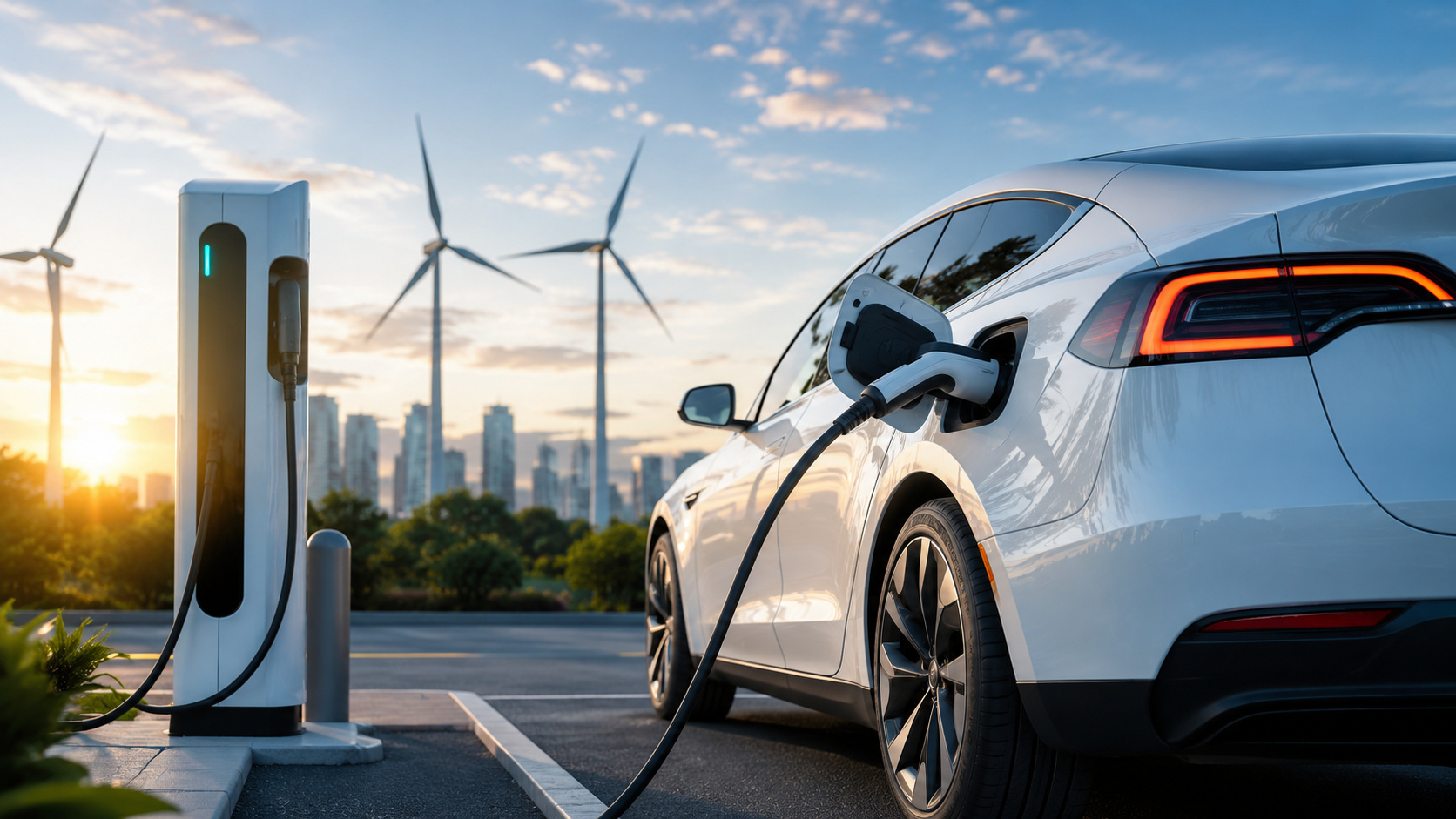

The electric cars sold in Brazil usually have a lower official range than equivalent models marketed in Europe and China.
While some vehicles exceed 500 kilometers of range in international markets, in Brazil the results typically vary between 250 km and 400 km, mainly due to the more rigorous criteria used by Inmetro and the real-world usage conditions faced by Brazilian drivers.
Furthermore, factors such as intense traffic, limited charging infrastructure, and urban usage characteristics directly influence battery performance. This scenario reinforces the challenges for the expansion of electric mobility in the country and broadens the debate on transparency in disclosing the real range of vehicles.
What influences the range of electric cars
The range of electric vehicles depends on several technical and operational factors.
-
Chinese Giant Invests $1.3 Billion in Brazil to Produce 50,000 Cars Annually, Create Jobs, Develop Local Suppliers, and Manufacture Electric, Hybrid, and Combustion Models by 2027

-
Unprecedented achievement in India: a colossal 650-ton, nearly 3,000 hp excavator is transformed into 100% electric, marking a new phase in heavy mining.
-
Frightened by the speed of Chinese manufacturers, Renault decided to mimic the pace, made the new electric Twingo in just 21 months, wants to repeat the feat with 36 models by 2030, and along the way, will cut up to 2,400 engineering positions.

-
Chinese battery from Dongfeng promises to exceed 1,000 km without relying on liquid electrolyte, and the detail behind the technology could change the electric car competition.


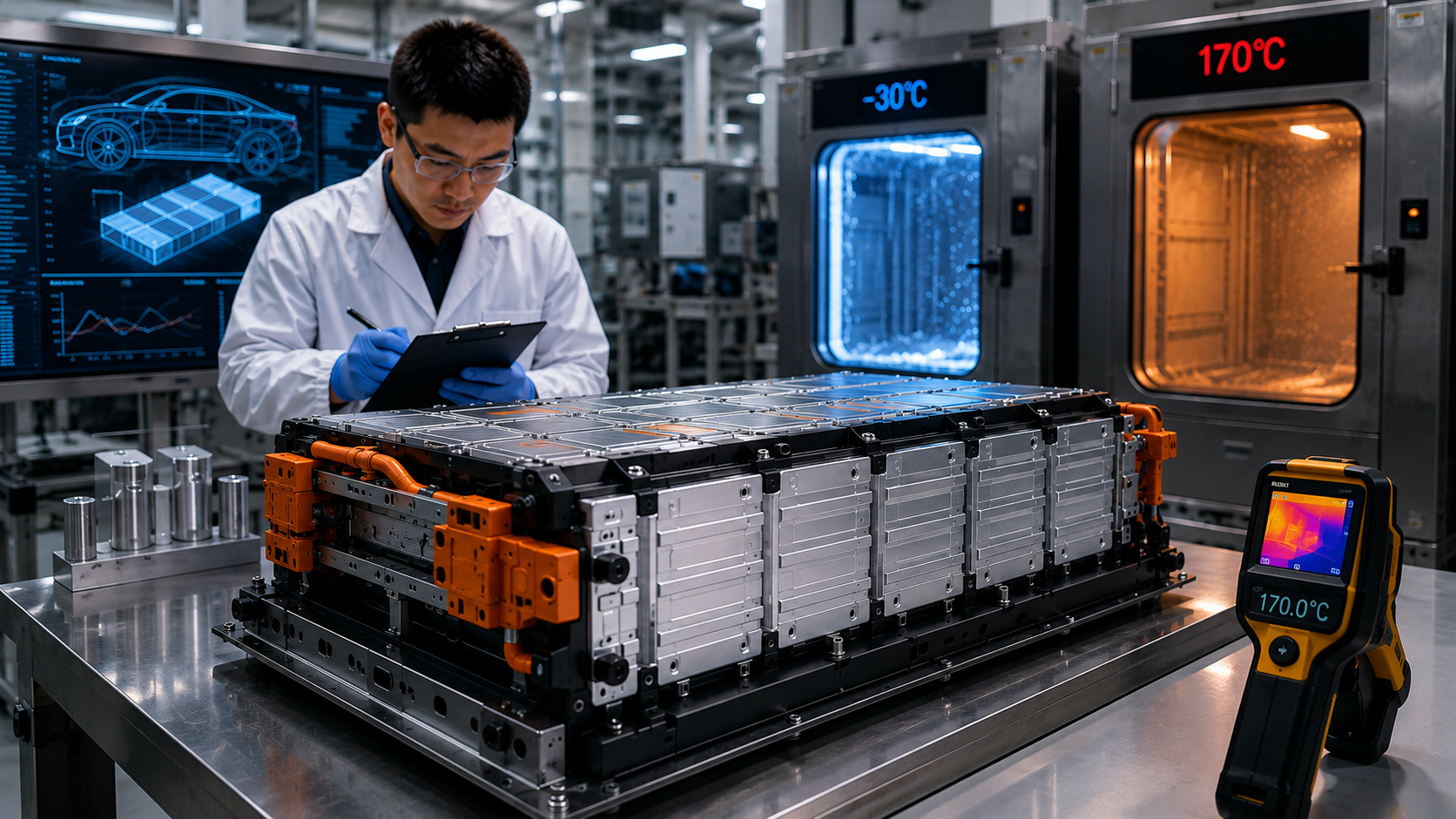
Furthermore, battery performance can vary according to speed, driving style, transported weight, and the use of internal vehicle systems.
Experts state that real traffic conditions have a strong impact on the range of electric automobiles.
In this context, results disclosed in laboratory tests do not always accurately reflect everyday use.
The role of Inmetro in Brazilian tests
In Brazil, the Brazilian Vehicle Labeling Program (PBEV), coordinated by Inmetro, is responsible for energy efficiency and range tests.
Furthermore, the Brazilian model uses criteria considered more rigorous compared to standards adopted in other markets.
Experts state that the tests carried out by Inmetro aim to reproduce conditions closer to the Brazilian reality.
Therefore, the official figures end up being lower compared to those disclosed in European and Asian countries.
Why the range seems lower in Brazil
The difference in results occurs mainly due to measurement methodologies.
While some markets use more favorable test cycles, the Brazilian standard adopts parameters considered more conservative.
Furthermore, intense urban traffic, frequent accelerations, and long periods of congestion directly influence energy consumption.
In this scenario, the range disclosed in Brazil tends to more realistically represent the daily use of electric cars.
Brazilian traffic also influences
Brazilian urban traffic represents one of the most relevant factors for the range of electric vehicles.
Frequent congestion, constant braking, and low speed alter the energy consumption of batteries.
Furthermore, cities with steep terrain also demand more from the electrical system.
In this context, real performance can vary significantly depending on the region and driving style.
Charging infrastructure is still a challenge
The expansion of electric cars in Brazil also faces limitations related to charging infrastructure.
Although the number of charging stations is growing, coverage is still considered insufficient in many regions of the country.
Furthermore, drivers often need to plan routes more carefully due to the limited availability of charging points.
Experts state that infrastructure will be decisive for the consolidation of electric mobility in Brazil.
How range tests work
The tests carried out by Inmetro simulate different driving conditions to measure the energy efficiency and range of vehicles.
Furthermore, the cycles consider accelerations, braking, average speed, and urban use.
The objective is to provide data closer to the daily use of Brazilian consumers.
Therefore, specialists consider the Brazilian model more transparent in relation to the real performance of vehicles.

Differences between Brazil, Europe, and China
Europe and China use different homologation standards for electric vehicles.
In many cases, international tests are conducted under more controlled and less severe conditions.
Furthermore, road infrastructure, traffic, and driving profiles vary significantly between countries.
As a result, the same model may present different autonomy figures depending on the market where it is homologated.
The importance of transparency for consumers
Specialists argue that consumers need access to clear information about the real autonomy of electric cars.
Moreover, numbers closer to reality help drivers make safer decisions when purchasing.
Transparency also prevents frustrations related to the daily performance of automobiles.
In this scenario, Inmetro’s tests gain importance in the Brazilian market.
The growth of electric cars in Brazil
Even with the challenges, the electric car market continues to grow in Brazil.
Furthermore, automakers have expanded the offer of hybrid and fully electric models in recent years.
Specialists state that consumers show increasing interest in more sustainable and economical alternatives.
Among the factors driving the sector are:
- Emission reduction
- Fuel economy
- Environmental incentives
- Technological advancement
- Greater model availability
All these elements strengthen the expansion of electric mobility.
The impact of batteries on autonomy
Batteries represent the main component of electric vehicles.
Furthermore, energy storage capacity directly influences the vehicle’s range.
Specialists state that technological advancements have been increasing the efficiency, charging speed, and durability of batteries.
However, vehicle weight and usage profile continue to affect final performance.
The cost of electric mobility
Despite the sector’s growth, electric cars still have higher prices compared to traditional models.
Additionally, charging infrastructure and battery cost directly influence the final value of vehicles.
Specialists believe that the expansion of global production should gradually reduce prices in the coming years.
In this context, technological advancement will be fundamental for the popularization of electric mobility.


The role of sustainability
Electric cars are considered important for reducing pollutant gas emissions.
Furthermore, governments and companies are increasing investments in sustainable transport technologies.
Specialists state that the electrification of the automotive fleet plays a strategic role in combating climate change.
Therefore, different countries have accelerated policies to encourage electric mobility.
The future of electric cars in Brazil
Analysts believe that the Brazilian market will continue to advance in the coming years.
In addition, improvements in charging infrastructure and battery evolution should increase vehicle autonomy and efficiency.
Among the main challenges monitored are:
- Expansion of charging stations
- Cost reduction
- Battery capacity
- Urban infrastructure
- Standardization of measurements
All these factors should influence the growth of the sector in the country.
What specialists expect for the coming years
Specialists state that Brazil has significant potential for the expansion of electric mobility.
In addition, technological advancement should make electric vehicles more accessible, efficient, and competitive.
Meanwhile, consumers continue to monitor the evolution of vehicle autonomy, infrastructure, and prices.
Finally, the difference in measurement standards shows how transparency and adaptation to real-world usage conditions are fundamental for the sustainable development of the electric car market in Brazil.