Portuguese
  Spanish


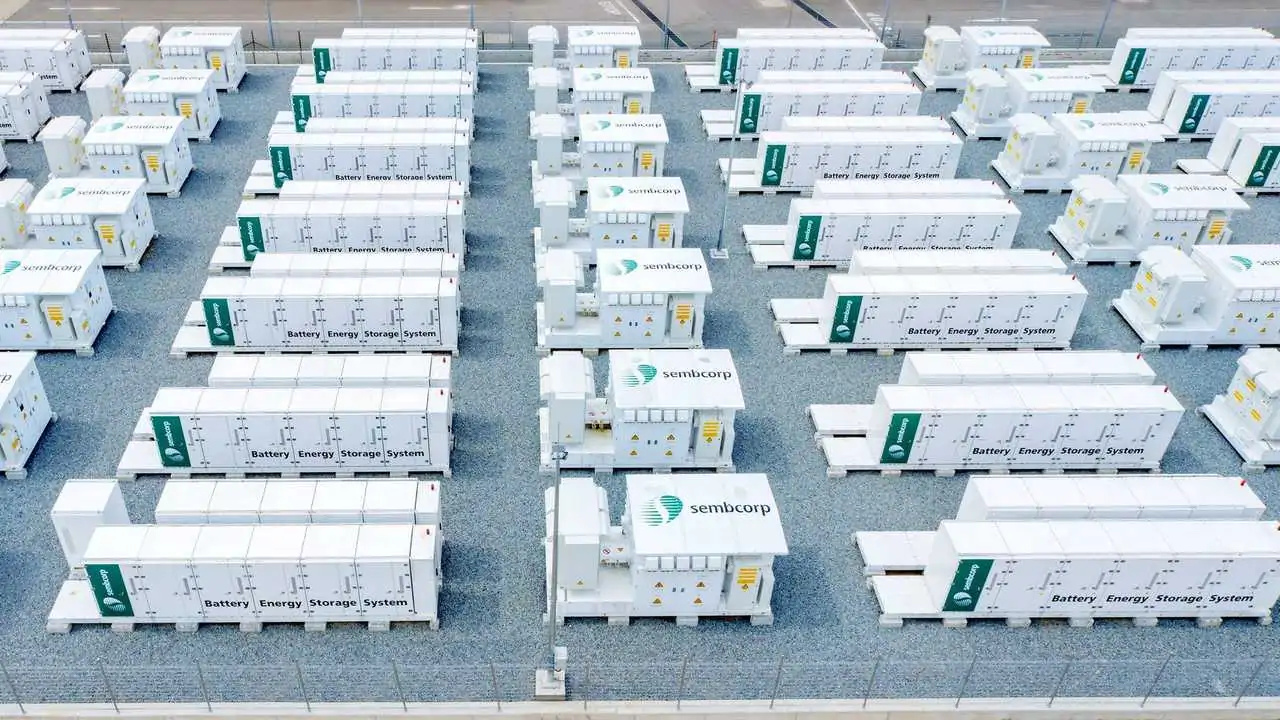

Despite The Rapid Global Reduction In Energy Storage Costs, Brazil Continues To Pay More For Batteries Due To Tax Burden And Logistics. EPE Study Forecasts New Drops Until 2035 And Points To Impact On The Advancement Of Solar Systems With Storage.
The Discussion About Energy Storage Has Intensified, Mainly Because Brazil Still Faces Higher Costs Compared To The International Scene. Although The Global Market Shows Strong Expansion And Accelerating Price Drops For Batteries, The Brazilian Reality Is Marked By Tax And Logistics Barriers That Affect The Sector’s Competitiveness.
International Battery Prices Plummet, According To EPE Study
According To The Energy Research Company (EPE), The Global Lithium-Ion Battery Market Has Undergone Profound Transformations In Recent Years. Between 2017 And 2024, The Decline Was Significant. During This Period, The Pack Dropped From US$ 266/kWh To US$ 115/kWh, While The Complete System Fell From US$ 614/kWh To US$ 165/kWh.
This Data Explains Why The Adoption Of Storage Systems Is Growing So Rapidly, Especially In Countries That Already Use Batteries For Grid Stabilization And Integration With Solar Energy.
-
USP researcher creates thesis to attract international funds for the country’s electric energy sector

-
Trafigura receives authorization from ANEEL to trade electricity in Brazil and expands its operations in the largest energy market in Latin America.
-
Mobile solar panels promised to share space with corn crops, but the 20% to 25% shade reduced production by an average of 7.7% and opened a new dispute between energy and food.
-
More than 80 million kilometers of wires need to be replaced by 2040: the energy transition doesn’t just depend on panels and electric cars, but on a colossal race for copper, aluminum, transformers, and recycling of old cables.


Trend Indicates More Reductions Until 2035, With Direct Impact On Competitiveness
EPE’s Projections Indicate That The Advancement Should Not Slow Down Anytime Soon. On The Contrary: BESS Systems May Register An Additional Reduction Ranging From 45% To 57% Until 2035. Furthermore, The Sector Is Expected To Achieve Significant Gains In Energy Density And Lifespan.
As A Result, The Savings Provided By Batteries Are Likely To Approach — And Even Surpass — Alternatives Such As Diesel Generators Used During Peak Hours. Starting In 2029, When New Rules For Valuing Energy Injected Into The Grid Come Into Effect, This Change Could Drive The Adoption Of Storage In Residential Photovoltaic Systems.
Despite Global Fall, Brazil Continues To Pay More For Batteries
Despite International Progress, The Brazilian Market Still Feels The Weight Of High Costs. EPE Emphasizes That The Tax Burden And Logistics Challenges Are Determinants For The Final Price.
For Commercial And Industrial Applications, A 3 MWh System Can Reach R$ 2,000/kWh, A Value That Includes 70.8% In Taxes, 13% In EPC/BOS, And 5% In Logistics. This Scenario Reduces The Attractiveness Of Investment, Even In The Face Of Global Cost Reductions For Equipment.
The Residential Segment Faces An Even Greater Challenge. In Hybrid Photovoltaic Systems, The Estimated Price Of Batteries Reaches R$ 3,500/kWh.
Although Between 2020 And 2024 There Was A Reduction In The Total Cost Of Installations With Storage, This Modality Remains Significantly More Expensive Than Solar Systems Without Batteries. This Explains Why Adoption Is Still Progressing Slowly In Residences, Despite The Potential Gains In Autonomy And Energy Security.