






 Portuguese
  Spanish


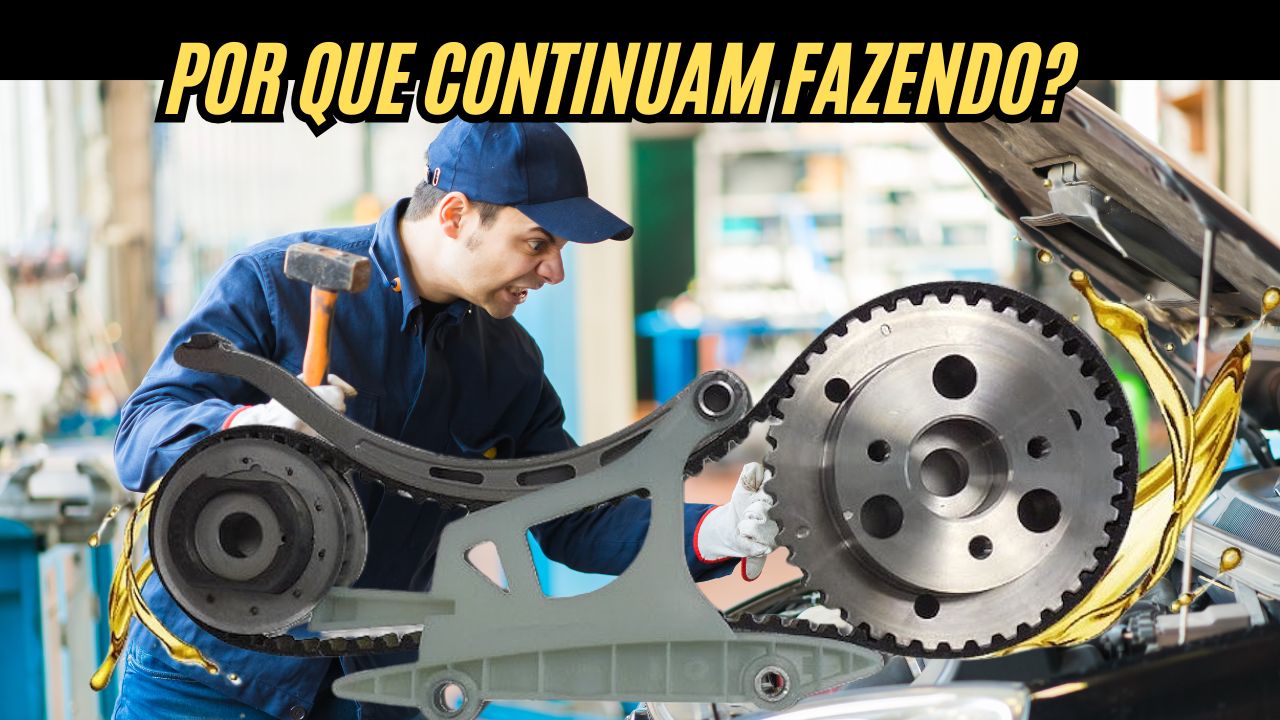


The Oil-Soaked Belt Technology Raises Questions About Sustainability, Performance and Choices of the Automotive Industry. Why Does It Still Exist?
The oil-soaked belt was presented as a promising innovation when Ford launched the technology in 2007. However, time revealed critical issues that raised doubts: who approved this solution and why is it still used? Let’s explore how this technological choice impacts consumers and the future of the automotive sector.
The History of the Oil-Soaked Belt
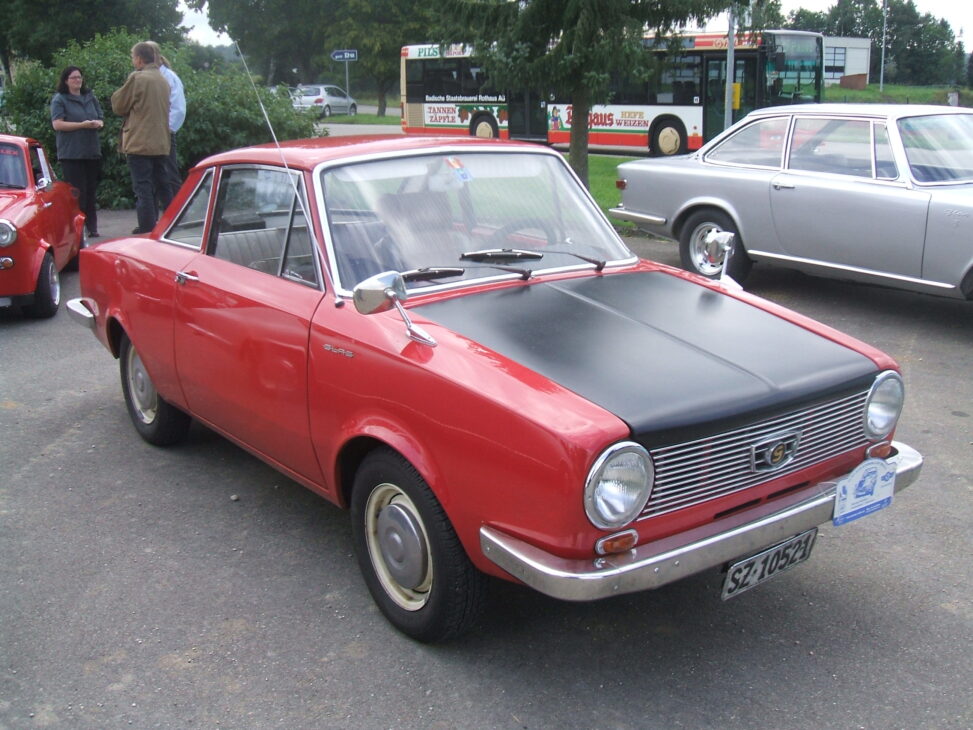
The history of the timing belt dates back to the Glas 1004 car, from 1962, the first to use a rubber belt to drive the valve timing. This concept revolutionized engine design, offering advantages such as lower noise, reduced vibrations, and a lighter build.
Decades later, Ford transformed the rubber belt into an even more peculiar piece: the oil-soaked belt. Unlike traditional belts, this version operated submerged in oil.
-
Thinking of Installing LED Headlights? Why Replacing Halogen Bulbs is Still Banned, the Glare Risks Authorities Worry About, and How a New Proposal Could Allow Certified, Safe Installations

-
2027 Toyota Corolla Cross Unveiled: New Design, Enhanced Fuel Efficiency, Reduced Maintenance Costs, Advanced Technology, Connected Services, and Up to 10-Year Warranty

-
Fiat Cronos Precision 2018: Affordable Sedan with Spacious Trunk and Reliable Maintenance
-
Volkswagen to Cut Production by 1 Million Cars by 2030, Reducing Jobs and Platforms, Focusing on More Profitable Models




Promising greater durability and fuel savings of up to 1%, the technology seemed innovative. But there was one detail that concerned specialists from the start: the historical chemical incompatibility between rubber and hot oil.
Why Did the Technology Fail?
Despite the efforts of Ford and other manufacturers to adapt the technology – using materials such as HNBR rubber and PTFE coatings – problems began to arise. The accelerated wear of the oil-soaked belt led to catastrophic engine failures in many cases, causing significant losses for owners.
Reports of belts failing long before the recommended replacement interval, often around 100,000 km, are common. Rubber particles detaching clog lubrication systems, causing oil pressure loss and irreversible damage.
The Cost to the Consumer and the Environment
The proposal of saving 1% in fuel consumption, equivalent to about 90 reais a year, does not offset maintenance costs and environmental damage. Thousands of engines have been discarded due to irreparable issues, generating resource waste and an increased carbon footprint.
Many question how the oil-soaked belt was approved, given the prior knowledge that rubber does not perform well in prolonged contact with hot oil. Even with increasing evidence of failures, manufacturers continued to use the technology, prioritizing profits over reliability and sustainability.
Interestingly, Japanese automakers, except for rare exceptions, have never adopted this approach. Perhaps this reflects a more conservative stance focused on vehicle longevity.
The Future of the Oil-Soaked Belt
Today, there are signs that manufacturers are returning to using dry belts or chains, more reliable technologies. However, the transition only occurs after years of losses for consumers and damage to the reputation of automakers.
The history of the oil-soaked belt serves as a warning about technological decisions driven by profit rather than reliability. For consumers, the lesson is clear: when buying a vehicle, inform yourself about the type of engine and avoid models with this technology. After all, as the industry shows, not every innovation is truly an advancement.


Por isso prefiro os veículos com corrente de comando ou engrenagens .
Correia molhada no óleo saiu agora na nova Ford Ranger 2.0 turbo diesel. Entrem em contato com a Ford e peçam que suspenda a fabricação e a venda deste motor. Gera um prejuízo enorme ao meio ambiente. Sejamos ecológicos.
Bem se todos os consumidores , não comprarem carro com estas correias , a empresa montadora vai aprender a respeitar o consumidor , tirar o carro de linha e fazer uma nova versão, mais em quanto tiver consumidor a empresa não está nem aí para a **** que ela empresa produz